
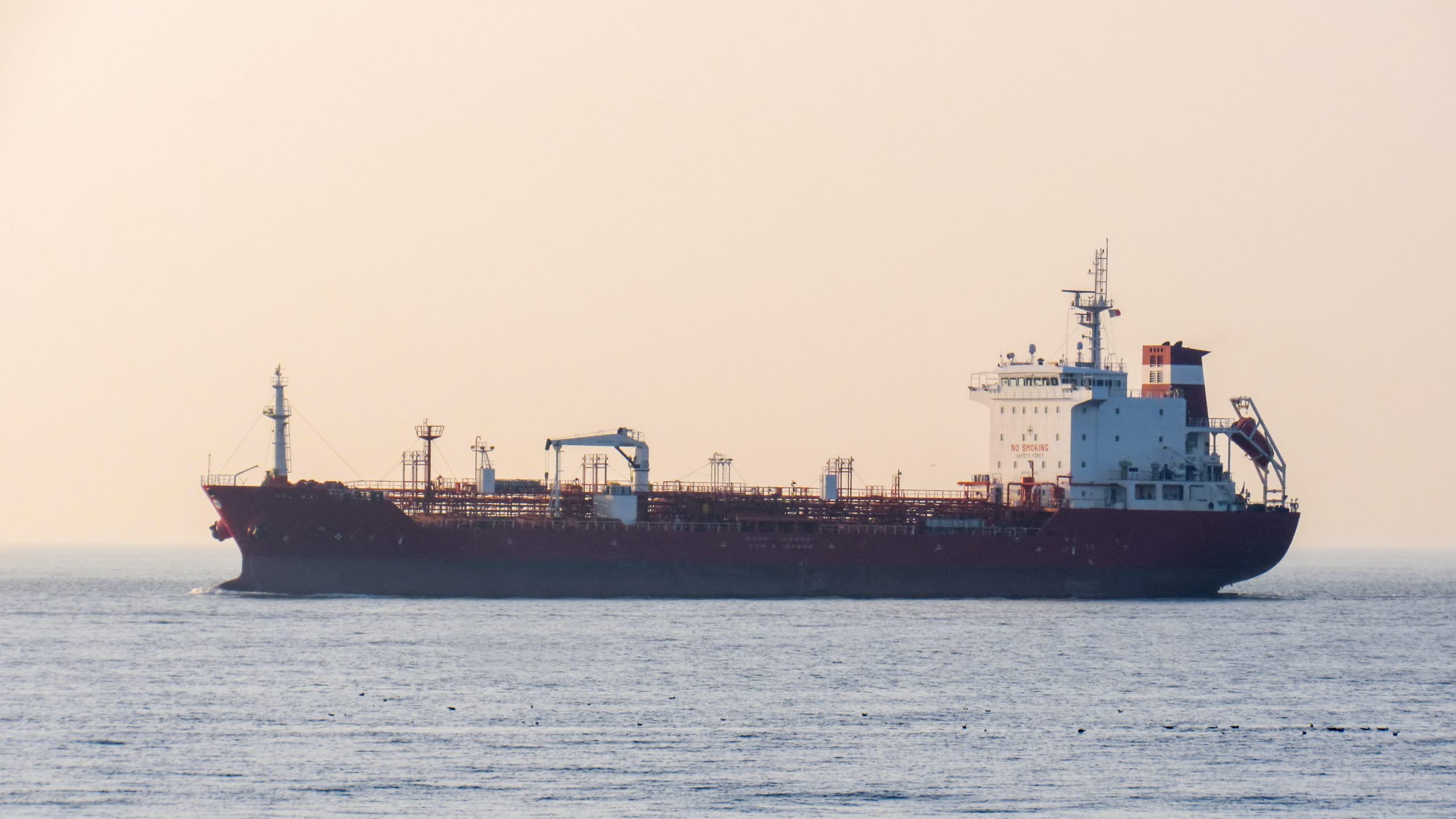
The U.S. LNG Carriers Market is experiencing significant growth, driven by the country’s position as the world’s largest LNG exporter and continued expansion of Gulf Coast liquefaction facilities. The United States exports more than 11 billion cubic feet per day (Bcf/d) of LNG, supported by major terminals such as Sabine Pass, Corpus Christi, Freeport LNG, Cameron LNG, and Cove Point. Additionally, projects including Plaquemines LNG and Golden Pass LNG are expected to add more than 70 million tonnes per annum (MTPA) of new export capacity. Rising LNG demand in Europe and Asia, long-term energy security concerns, and increasing global demand projected to exceed 600 million tonnes annually are driving strong requirements for advanced LNG carriers equipped with dual-fuel propulsion systems and enhanced fuel-efficiency technologies. As LNG trade volumes continue expanding, investment in next-generation LNG shipping fleets is expected to accelerate across the U.S. maritime energy value chain.
Key Market Drivers for the US LNG Carriers Market
Rapid Expansion of LNG Export Capacity Boosts Vessel Demand
The United States has become the largest LNG exporter globally, supported by major export facilities including Sabine Pass, Corpus Christi, Freeport LNG, Cameron LNG, Cove Point, Calcasieu Pass, Plaquemines LNG, and Golden Pass LNG. Several new liquefaction projects under construction are expected to add tens of millions of tonnes per annum (MTPA) of export capacity, increasing demand for LNG transportation fleets. As export volumes rise, shipowners continue to invest in modern LNG carriers equipped with fuel-efficient propulsion systems and advanced containment technologies.
Rising Global LNG Demand Creates Long-Term Shipping Opportunities
Growing natural gas demand across Europe, Asia-Pacific, and emerging economies continues to strengthen LNG trade flows. Energy security concerns, coal-to-gas transitions, and industrial decarbonization efforts are increasing LNG imports worldwide. Long-haul LNG shipments from the U.S. Gulf Coast to Europe and Asia require a large fleet of dedicated LNG carriers, supporting vessel orders and charter market growth.
Fleet Modernization and Environmental Regulations Encourage New Builds
The shipping industry is increasingly focused on reducing greenhouse gas emissions and improving fuel efficiency. New LNG carriers equipped with ME-GA, X-DF, and dual-fuel propulsion technologies offer enhanced operational efficiency and lower emissions compared to older vessels. Compliance with International Maritime Organization (IMO) regulations and vessel efficiency standards is encouraging investment in next-generation LNG carriers.
Government Initiatives Supporting the US LNG Carriers Market
The U.S. government continues to support natural gas production, LNG export infrastructure expansion, and energy security initiatives through approvals for export terminals and pipeline development projects. Federal agencies have approved multiple LNG export projects that are expected to significantly increase export capacity over the coming decade. Growing support for domestic energy production, strategic trade partnerships, and international energy supply diversification is creating favorable conditions for LNG transportation growth. In addition, continued development of Gulf Coast LNG infrastructure is strengthening demand for LNG shipping capacity and supporting long-term market expansion.
Competitive Landscape of the US LNG Carriers Market
The U.S. LNG Carriers Market is highly competitive and closely linked to the global LNG shipping ecosystem. Competition is driven by vessel fuel efficiency, cargo capacity, charter rates, boil-off gas management technology, and environmental performance. Leading shipowners and operators continue to invest in advanced LNG carriers featuring membrane containment systems, dual-fuel propulsion technologies, and digital fleet management platforms. Growing LNG exports from the United States are encouraging strategic partnerships among shipowners, LNG producers, traders, and energy companies to secure transportation capacity and optimize fleet utilization.
Major Challenges Facing the US LNG Carriers Market
High Vessel Construction Costs and Shipyard Capacity Constraints
Modern LNG carriers require substantial capital investment, often exceeding USD 250–300 million per vessel depending on size and specifications. Global shipyard capacity constraints, particularly in South Korea and China, can extend vessel delivery timelines and increase construction costs.
LNG Shipping Rate Volatility and Market Cyclicality
Freight rates in the LNG shipping industry can fluctuate significantly due to seasonal demand, fleet availability, geopolitical events, and trade route changes. Market participants must effectively manage charter strategies and vessel utilization to maintain profitability during periods of rate volatility.
Future Outlook
The U.S. LNG Carriers Market is expected to witness strong growth through 2035, supported by export capacity expected to exceed 25 Bcf/d, making the United States the dominant supplier in global LNG trade. Multiple LNG projects under construction, including Plaquemines LNG, Golden Pass LNG, and other Gulf Coast developments, are expected to add more than 70 MTPA of new liquefaction capacity. In addition, global LNG demand is projected to surpass 600 million tonnes annually over the next decade, creating sustained demand for new LNG carriers. Growing adoption of dual-fuel propulsion systems, digital fleet optimization technologies, and low-emission vessel designs will further support fleet modernization. Companies investing in advanced LNG carrier fleets, long-term charter agreements, and fuel-efficient vessel technologies will be well-positioned to capitalize on the expansion of U.S.-led global LNG trade.
Consultants at Nexdigm, in their latest publication “US LNG Carriers Market to 2035,” analyse the sector By Containment System (GTT Mark III Flex, GTT N096 L03+ and GTT CS1 System), By Vessel Propulsion Technology (Steam Turbine Propulsion and Dual Fuel Diesel Electric) and By Industry Application (Baseload Power Plants, Peaker Plant Supply and District Heating Networks).
Nexdigm suggests that businesses in the U.S. LNG Carriers Industry prioritize next-generation dual-fuel LNG vessels, long-term chartering strategies, digital fleet optimization technologies, and strategic partnerships with LNG exporters to capitalize on the country’s expanding LNG export capacity, growing global natural gas demand, and increasing requirements for efficient and environmentally compliant LNG transportation solutions.
To take the next step, simply visit our Request a Consultation page and share your requirements with us.
Harsh Mittal
+91-8422857704