
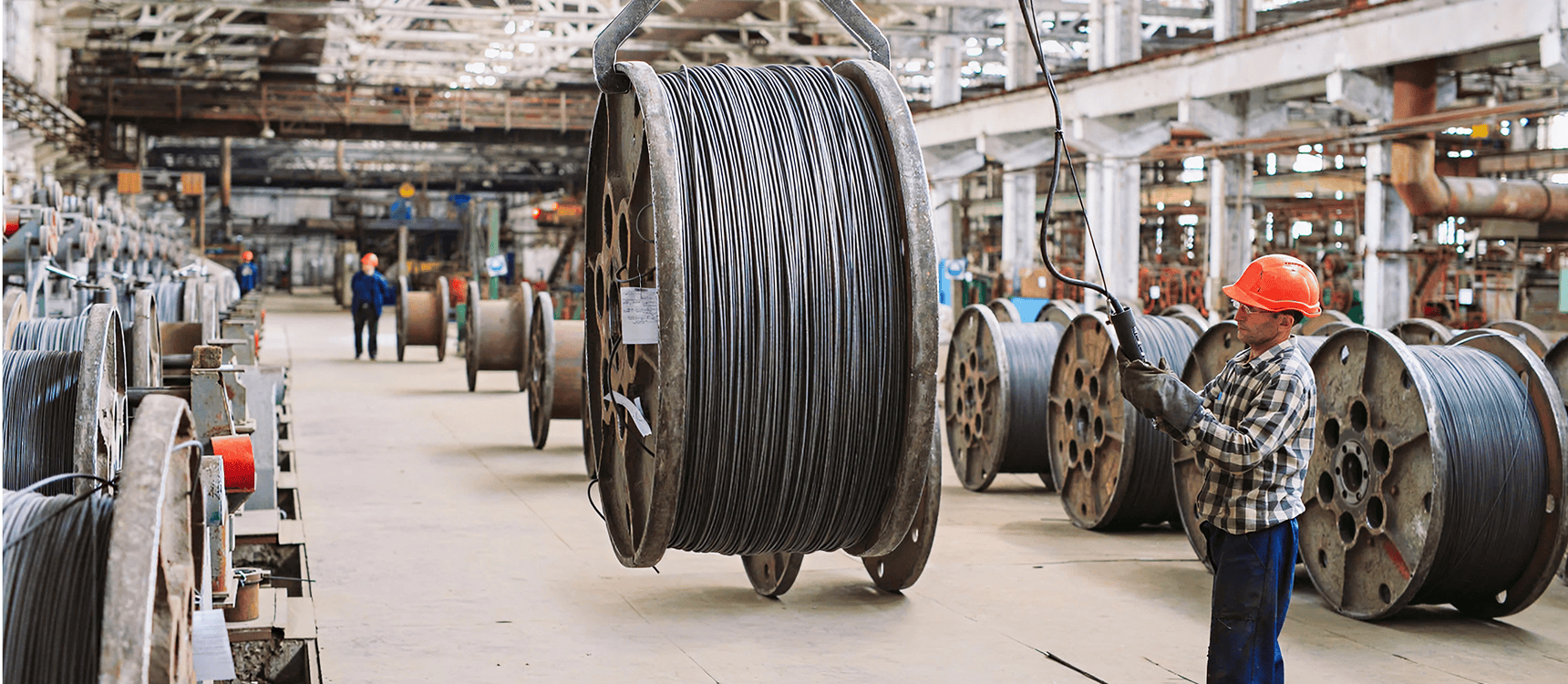
From powering smart homes and commercial buildings to supporting data centers and industrial automation, low voltage cables form the backbone of modern infrastructure across the United States. As the country continues investing in grid modernization, renewable energy integration, and digital connectivity, demand for reliable low voltage cable solutions is steadily increasing. Utilities, contractors, and technology providers are expanding networks to support growing electricity consumption and data traffic. The market is also benefiting from rising construction activity, smart building adoption, and the rapid rollout of advanced communication systems across residential, commercial, and industrial sectors.
Market Drivers Advancing the US Low Voltage Cable Industry
Expanding Grid Modernization and Energy Infrastructure Investments
One of the strongest drivers for the US low voltage cable market is the ongoing modernization of aging electrical infrastructure. According to the U.S. Energy Information Administration, capital spending on electricity distribution infrastructure increased by 160% between 2003 and 2023, highlighting the scale of upgrades taking place across the country. Utilities are investing in stronger and smarter networks capable of supporting renewable energy integration, electric vehicles, and advanced metering systems. As new substations, distribution networks, and smart grid technologies are deployed, low voltage cables remain a critical component for power distribution, monitoring, and control applications.
Data Centers and Digital Infrastructure Creating New Demand
The United States remains one of the world’s largest markets for data centers. The rapid adoption of cloud computing, artificial intelligence, and edge computing has significantly increased demand for structured cabling and low voltage communication networks. Industry reports indicate that commercial infrastructure represents a major share of low voltage cable demand, supported by office upgrades, intelligent buildings, and hyperscale data center expansion. High-performance copper and fiber-based low voltage solutions are increasingly required to manage growing volumes of data while ensuring reliability and energy efficiency.
Strong Construction Activity Supporting Cable Consumption
Low voltage cables are widely used across residential, commercial, and industrial construction projects. The U.S. Census Bureau reported total construction spending exceeding $2 trillion annually, demonstrating the scale of infrastructure development that continues to generate cable demand. Commercial buildings, manufacturing facilities, healthcare centers, and transportation infrastructure projects all require extensive low voltage wiring systems. The growing popularity of smart buildings, automated lighting, security systems, and Power-over-Ethernet technologies is further strengthening demand across the construction sector.
Government Initiatives Supporting the US Low Voltage Cable Industry
Federal and state governments continue to promote investments in infrastructure modernization, broadband expansion, renewable energy integration, and grid resilience. Public construction spending remains above $500 billion annually, while various infrastructure programs support upgrades to transportation, utility, and communication networks. These initiatives encourage the deployment of advanced electrical and data transmission systems, creating long-term opportunities for low voltage cable manufacturers and suppliers across the country.
Competitive Landscape of the US Low Voltage Cable Industry
The market is characterized by the presence of established domestic and international manufacturers competing through product innovation, distribution strength, and advanced cable technologies. Major participants include Prysmian Group, Southwire Company, Belden Inc., CommScope, and General Cable. Companies are increasingly focusing on fire-resistant materials, low-smoke cable solutions, high-speed data transmission capabilities, and sustainable manufacturing practices to strengthen their market positions.
Challenges Facing the US Low Voltage Cable Sector
Raw Material Price Volatility
Copper remains one of the most important inputs in cable manufacturing. Fluctuating copper prices can significantly impact production costs and profit margins, creating uncertainty for manufacturers and contractors. Industry analyses suggest that copper accounts for a substantial portion of finished cable costs, making pricing stability a key concern.
Supply Chain and Compliance Pressures
Manufacturers must comply with strict safety, performance, and environmental regulations while also managing supply chain disruptions. Growing demand for fire-resistant and low-smoke cable products requires continuous investment in product development, certification, and manufacturing upgrades.
Future Outlook
The outlook for the US low voltage cable industry remains positive as electrification and digitalization continue transforming the economy. Investment in smart grids, renewable energy projects, electric vehicle charging infrastructure, and data centers will create sustained demand for advanced cabling solutions. At the same time, the rise of intelligent buildings and industrial automation will increase the need for reliable power and communication networks. Manufacturers that prioritize innovation, sustainability, and high-performance products are expected to benefit the most from the evolving infrastructure landscape, positioning the market for steady long-term growth.
Consultants at Nexdigm, in their latest publication “US Low Voltage Cable Market Outlook to 2035“ analyze the sector By Cable Construction Type (Coaxial Cables, Twisted Paired Copper and Fiber Optic Assemblies), By Voltage Rating (0-50V, 51-100V and 101-300V) and By Installation Environment (Indoor Plenum Rated, Indoor Rise Rated and Outdoor Aerial).
Nexdigm suggests that businesses in “US Low Voltage Cable Industry” focusses on oilfield, desalination, construction, and industrial applications, strengthen local warehousing, develop application-specific grades, improve technical support, and build resilient sourcing networks to serve expanding energy, water, and manufacturing demand.
To take the next step, simply visit our Request a Consultation page and share your requirements with us.
Harsh Mittal
+91-8422857704