
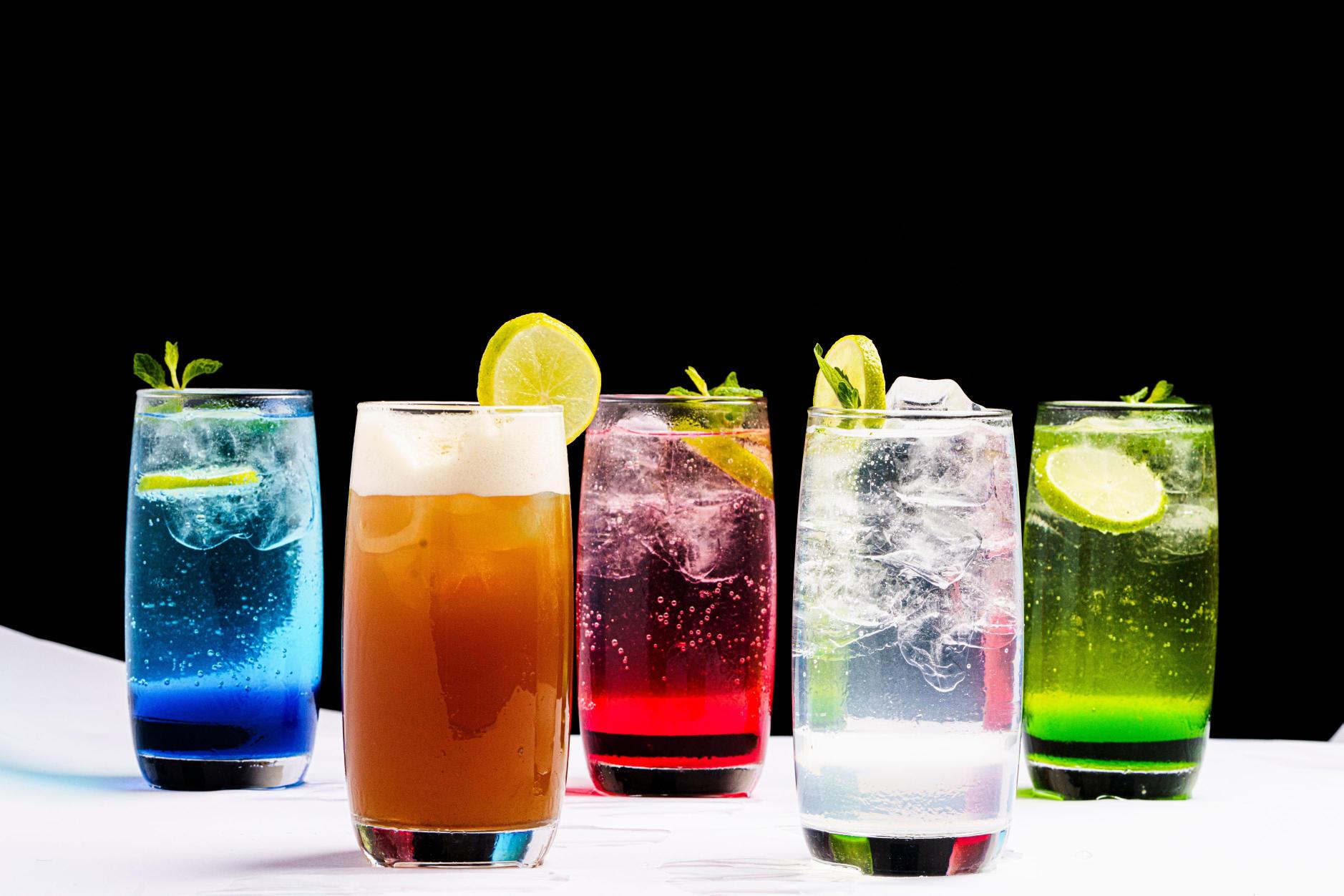
The US non-alcoholic beverages industry is experiencing strong growth, supported by shifting consumer preferences toward healthier, functional, and low-sugar drink options. The sector is valued at approximately USD 624.8 billion and is projected to expand at a 5.4% CAGR over the forecast period. Demand for zero-sugar beverages, electrolyte-enhanced hydration products, plant-based drinks, and clean-label formulations continues to rise. Major production and distribution hubs across Georgia, Texas, and New York are enabling efficient supply chains, while beverage manufacturers increasingly leverage artificial intelligence and automation to improve operational efficiency and meet evolving consumer expectations.
Market Drivers Advancing US Non-Alcoholic Beverages Growth
Rising Demand for Functional and Health-Focused Drinks
Consumers are prioritizing wellness-oriented beverages that offer benefits beyond hydration. Products containing electrolytes, vitamins, probiotics, antioxidants, and adaptogenic ingredients are gaining traction across demographics. Functional beverages have become one of the fastest-growing categories as consumers seek products that support immunity, energy, and overall well-being. The popularity of sports drinks, enhanced water, kombucha, and plant-based beverages is contributing significantly to industry expansion.
Growing Preference for Zero-Sugar and Clean-Label Products
Health-conscious consumers are reducing sugar consumption and actively seeking beverages with transparent ingredient lists. This trend has accelerated demand for naturally sweetened beverages, sugar-free carbonated drinks, and organic beverage options. Brands are reformulating products to align with dietary guidelines while improving nutritional profiles. Clean-label positioning has become a crucial differentiator for manufacturers competing in premium beverage segments.
Digital Transformation and Supply Chain Innovation
Leading beverage companies are investing heavily in AI-driven forecasting, smart manufacturing, and automated inventory management systems. These technologies improve production efficiency, reduce distribution waste, and enhance responsiveness to changing consumer demand patterns. Advanced logistics networks and cold-chain infrastructure are further supporting industry growth by ensuring product quality and expanding market reach.
Government Initiatives Supporting US Non-Alcoholic Beverages Industry
Government agencies continue to promote sustainable manufacturing and responsible packaging practices. The Environmental Protection Agency (EPA) encourages greater adoption of recycled materials through national recycling programs and packaging guidelines. Various state-level sustainability initiatives are also driving investments in recyclable PET packaging and waste reduction strategies. In addition, public health campaigns encouraging reduced sugar consumption are motivating beverage manufacturers to develop healthier product alternatives that comply with evolving nutritional standards.
Competitive Landscape of US Non-Alcoholic Beverages Industry
The industry remains highly competitive, with established multinational corporations and emerging health-focused brands competing for market share. Major players such as The Coca-Cola Company, PepsiCo, Keurig Dr Pepper, and Monster Beverage Corporation continue expanding their portfolios through innovation, acquisitions, and premium product launches. Companies are increasingly focusing on functional beverages, plant-based drinks, sustainable packaging, and digital supply chain capabilities to strengthen their market position and enhance consumer engagement.
Challenges Impacting US Non-Alcoholic Beverages Industry
Regulatory Pressure on Ingredients and Packaging
Manufacturers face increasing scrutiny regarding sugar content, ingredient transparency, labeling requirements, and packaging sustainability. Compliance with federal and state regulations often requires substantial investments in product reformulation and packaging redesign.
Rising Production and Distribution Costs
Persistent inflationary pressures, fluctuating raw material prices, and higher transportation costs continue to impact profitability. Maintaining competitive pricing while investing in innovation and sustainability remains a significant challenge for beverage producers across the sector.
Future Outlook
The future of the US non-alcoholic beverages sector appears highly promising as consumer preferences continue evolving toward healthier and more functional products. Greater adoption of recyclable packaging, circular economy practices, and automated production technologies is expected to improve operational efficiency. As sustainability, health consciousness, and technological innovation converge, the industry is well-positioned for sustained long-term growth and enhanced market competitiveness.
Consultants at Nexdigm, in their latest publication “US Non-Alcoholic Beverages Market Outlook to 2035 ,” analyze the sector By ((Non-Alcoholic Beverage Scope Definition, Bottom-Up Revenue Modeling Approach, US Beverage Association Data Integration, Consumer Consumption Pattern Surveys, Retail Scanner Data Analysis, Industry Stakeholder Expert Interviews,).
Nexdigm suggests that businesses in the US Non-Alcoholic Beverages Market focus on developing health-oriented, sugar-free, and functional beverage portfolios while investing in sustainable packaging and advanced manufacturing technologies. Aligning products with evolving consumer wellness preferences and regulatory requirements can help companies strengthen market position and capture long-term growth opportunities.
To take the next step, simply visit our Request a Consultation page and share your requirements with us.
Harsh Mittal
+91-8422857704