
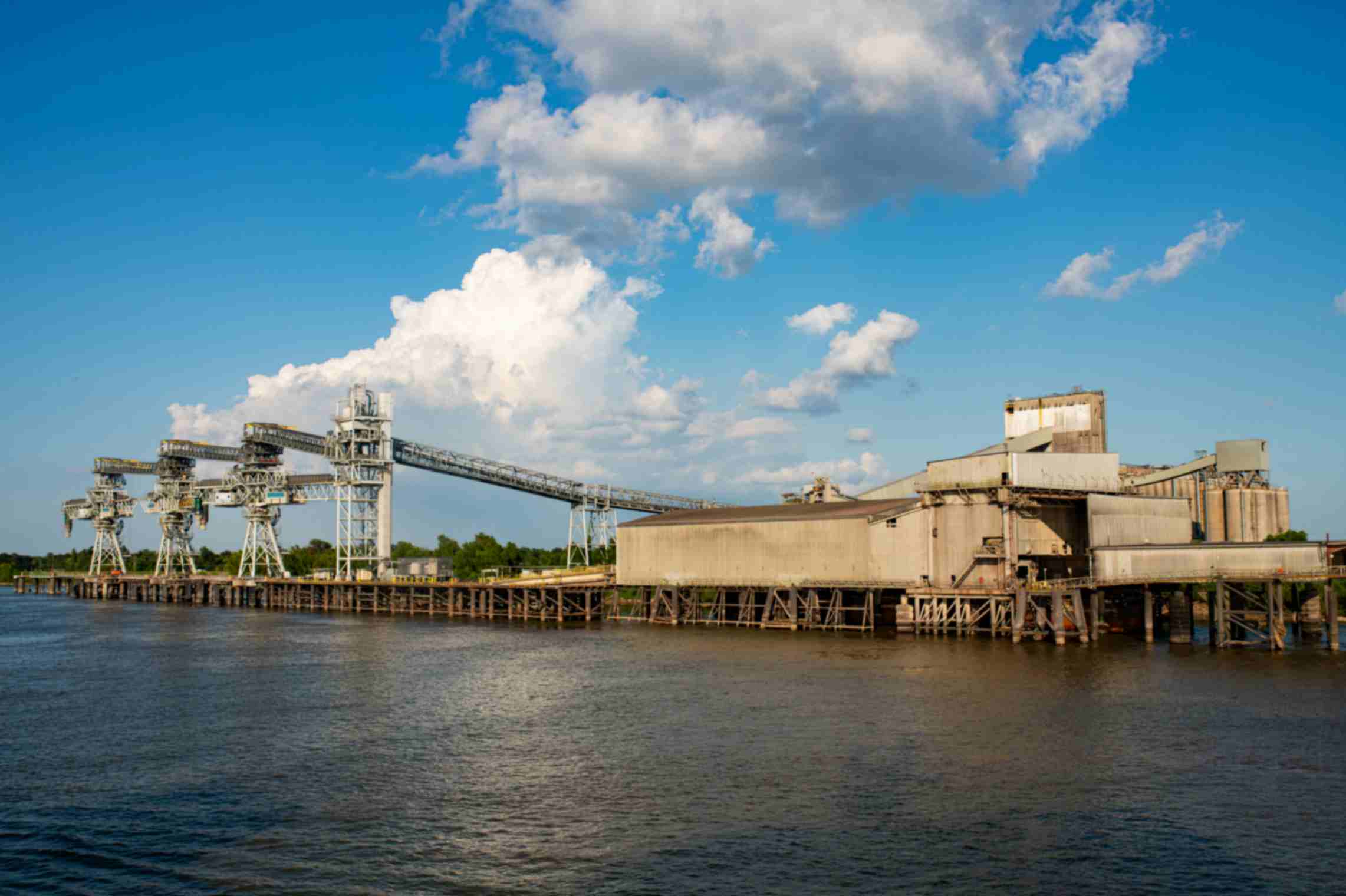
The US shore power systems industry is gaining significant momentum as ports and shipping operators accelerate decarbonization efforts. Shore power, also known as cold ironing, enables vessels to connect to onshore electrical grids while docked, reducing emissions from onboard auxiliary engines. Valued at approximately USD 1.45 billion, the industry is projected to expand at a robust 8.4% CAGR over the coming decade. Growing environmental regulations, increased investment in port electrification, and rising demand from container and cruise operators are creating substantial opportunities across major maritime hubs such as the Port of Long Beach and the Port of Savannah.
Market Drivers Advancing US Shore Power Systems Growth
Stricter Emission Regulations Accelerating Adoption
Environmental regulations remain a primary growth catalyst for the US shore power systems industry. Ports located within the North American Emissions Control Area (ECA) face strict requirements to limit sulfur oxides, nitrogen oxides, and particulate matter emissions. As a result, shipping companies are increasingly adopting shore power solutions to maintain compliance. In California, vessel-at-berth regulations have significantly increased demand for electrified port infrastructure, particularly among container ships and cruise vessels.
Expansion of Port Electrification Infrastructure
Heavy investments in modern port infrastructure are driving widespread deployment of shore power systems. Major ports across the United States are upgrading electrical networks, substations, and frequency converter systems to accommodate growing vessel traffic. Advanced high-voltage shore connection technologies are helping ports improve operational efficiency while reducing installation footprints. Industry stakeholders are also investing in modular shore power solutions that lower deployment costs and simplify maintenance requirements.
Rising Sustainability Commitments Across Maritime Operations
Shipping operators, terminal owners, and logistics providers are prioritizing environmental, social, and governance (ESG) objectives. Shore power systems can reduce vessel emissions at berth by up to 95%, helping operators meet sustainability targets. With global supply chains increasingly emphasizing carbon reduction, investment in clean port technologies continues to rise. Growing public awareness regarding air quality improvements around busy ports further supports industry expansion.
Government Initiatives Supporting US Shore Power Systems Sector
Government agencies are actively supporting shore power deployment through funding and regulatory programs. The Environmental Protection Agency’s Clean Ports Program provides grants for port electrification projects and emissions reduction initiatives. Federal infrastructure investments and state-level clean transportation programs are also helping ports replace fossil-fuel-powered auxiliary systems with grid-connected electricity. These efforts encourage wider adoption while strengthening the competitiveness of US maritime infrastructure.
Competitive Landscape of US Shore Power Systems Industry
The competitive landscape features leading electrical and energy technology companies focused on innovation and infrastructure modernization. Major participants include Schneider Electric, ABB, Siemens, Cavotec, and Wärtsilä. These companies are developing modular shore power solutions, high-voltage frequency converters, automated cable management systems, and smart energy integration technologies. Strategic partnerships with ports and terminal operators continue to strengthen their market positions while expanding industry capabilities.
Challenges Impacting US Shore Power Systems Industry
High Infrastructure Investment Requirements
Shore power installations require substantial capital investments in electrical grids, substations, transformers, and port-side connection equipment. Smaller ports often face financial constraints that can delay large-scale implementation projects despite long-term operational benefits.
Grid Capacity and Technical Compatibility Issues
Differences in vessel power requirements and local grid capabilities create technical challenges for industry participants. Ports must ensure sufficient electrical capacity and compatibility with diverse vessel classes, which can increase deployment complexity and project timelines.
Future Outlook
Continued Growth Through Clean Port Development
The future of the US shore power systems industry appears highly promising as environmental compliance and sustainability objectives remain priorities for maritime stakeholders. Expanding cruise and container shipping activities, combined with ongoing government support, are expected to accelerate infrastructure deployment. Advancements in smart grid integration, renewable energy connectivity, and modular shore power technologies will further enhance industry efficiency. As ports pursue cleaner operations and operators seek lower emission solutions, shore power systems will play an increasingly critical role in the modernization of the US maritime sector.
Consultants at Nexdigm, in their latest publication “US Shore Power Systems Market to 2035,” analyze the sector By (Market Sizing Scope Definition, MARAD Port Infrastructure Review, Bottom-up Capacity Estimation, Top-down Policy Analysis, Tier-1 Supplier Revenue Verification,).
Nexdigm suggests that businesses in the US Shore Power Systems Industry focus on investments in port electrification, high-voltage shore connection infrastructure, and smart grid integration. Aligning operations with emissions regulations and sustainability targets can enhance competitiveness while supporting long-term growth opportunities across the evolving maritime sector.
To take the next step, simply visit our Request a Consultation page and share your requirements with us.
Harsh Mittal
+91-8422857704