
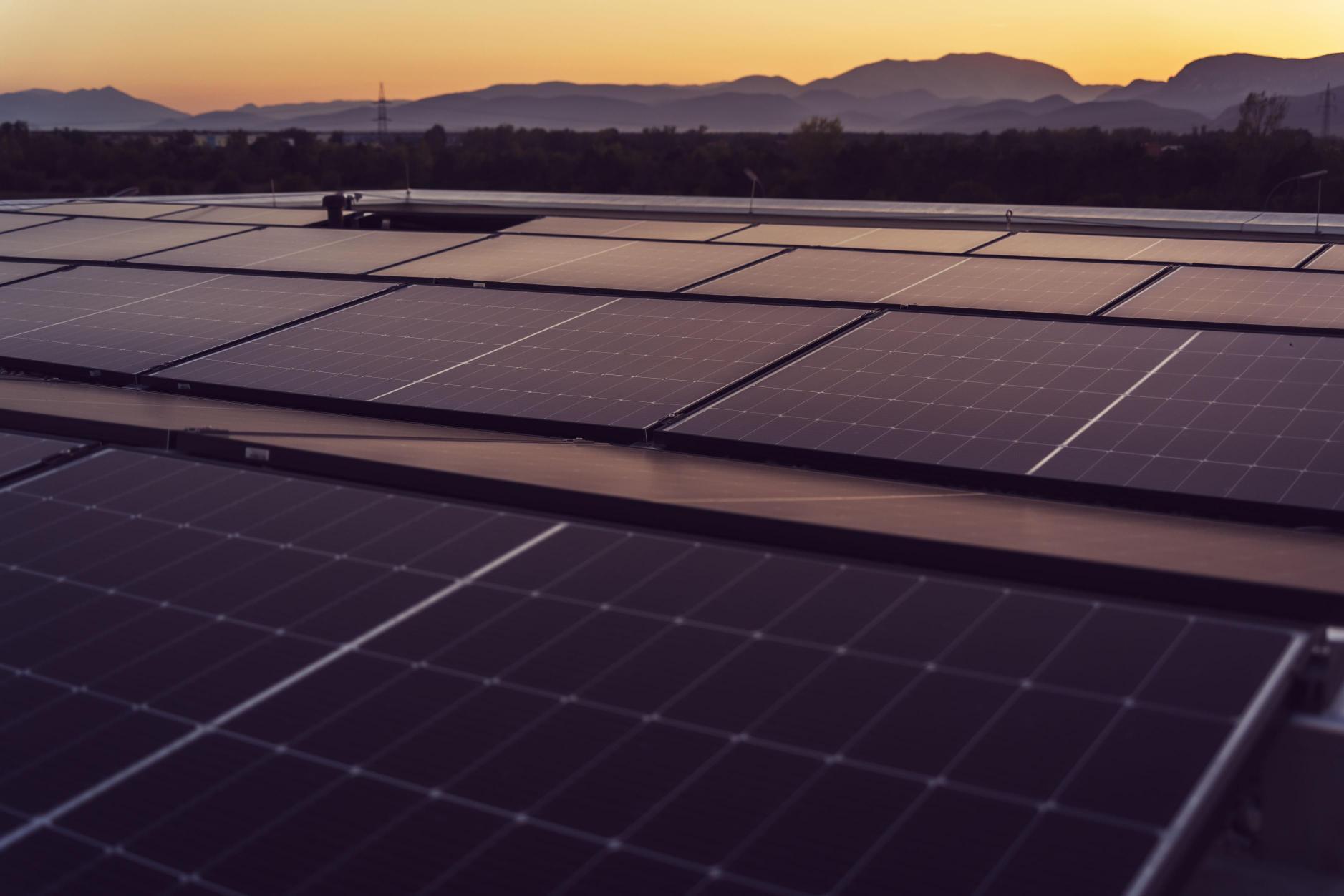
The US solar PV mounting systems industry is gaining momentum as the country accelerates its transition towards renewable energy and expands utility-scale solar installations. Mounting systems play a crucial role in supporting photovoltaic modules, ensuring structural stability, improving energy generation, and withstanding challenging weather conditions. According to the Solar Energy Industries Association (SEIA), the US installed 43.2 GWdc of solar capacity in 2025, highlighting the substantial demand for supporting infrastructure. Increasing investments in solar projects, technological advancements, and domestic manufacturing capabilities are expected to shape the industry’s development through 2035. SEIA +1
Market Drivers Advancing the US Solar PV Mounting Systems Industry
Growing Utility-Scale Solar Installations and Renewable Energy Investments
The expansion of utility-scale solar projects across the United States is creating substantial demand for advanced PV mounting systems. Large-scale installations require durable ground-mounted structures, fixed-tilt solutions, and single-axis tracking systems to ensure efficient panel positioning and maximum electricity generation. In 2025, the US added approximately 34.7 GWdc of utility-scale solar capacity, demonstrating the importance of this segment. Furthermore, increasing electricity consumption, data center development, and growing demand for grid-scale power are encouraging developers to invest in large solar installations. These developments are supporting demand for high-capacity mounting structures, particularly in states such as Texas, California, and Arizona.
Technological Advancements in Solar Tracking and Bifacial Modules
Continuous advancements in photovoltaic technology are transforming mounting system requirements. The growing adoption of bifacial solar modules, which generate electricity from both front and rear surfaces, is encouraging manufacturers to develop mounting structures that improve ground reflectivity exposure and optimize module positioning. Single-axis trackers are also gaining importance because they adjust panel orientation throughout the day to capture more sunlight. Additionally, innovations in automated tracking, corrosion-resistant materials, lightweight steel structures, and high-strength aluminum components are improving system durability and installation efficiency. These developments are encouraging solar developers to adopt technologically advanced mounting solutions that enhance project performance and reduce long-term operating costs.
Expansion of Domestic Manufacturing and Supply Chain Localization
The increasing focus on domestic solar manufacturing is creating new opportunities for mounting system manufacturers across the United States. Developers and equipment suppliers are emphasizing locally sourced steel, aluminum, and structural components to strengthen supply chain resilience and reduce dependence on international suppliers. According to SEIA, US solar module manufacturing capacity exceeded 65 GWdc by the end of 2025. The expansion of domestic manufacturing facilities is also encouraging investments in fabrication, component production, and distribution networks. Consequently, mounting system manufacturers are focusing on localized production capabilities, shorter delivery timelines, and customized structural solutions to meet the requirements of growing solar installations.
Government Initiatives Supporting the US Solar PV Mounting Systems Industry
Government policies and renewable energy programs have played an important role in supporting solar infrastructure development across the United States. The Inflation Reduction Act introduced clean energy incentives and domestic manufacturing support, encouraging investments in solar projects and related equipment. Manufacturing incentives under Section 45X also supported the expansion of domestic clean energy supply chains. Additionally, the Department of Energy’s SunShot Initiative helped reduce solar energy costs through research, technological innovation and industry collaboration. However, subsequent legislative changes in 2025 modified several federal clean energy tax credit timelines, making policy developments an important consideration for industry participants.
Competitive Landscape of the US Solar PV Mounting Systems Industry
The competitive landscape comprises established mounting system manufacturers, solar tracking technology providers and specialized structural component suppliers. Companies are competing through product innovation, installation efficiency, engineering capabilities, pricing strategies and manufacturing expansion. Key industry participants include Nextracker, Array Technologies, FTC Solar, Gamechanger Solar and Unirac. These companies are focusing on advanced tracking technologies, durable mounting structures and customized solutions for utility-scale, commercial and residential applications. Strategic partnerships, domestic manufacturing investments and product development initiatives are expected to remain important competitive strategies through 2035.
Challenges Impacting the US Solar PV Mounting Systems Industry
Fluctuating Raw Material Prices and Supply Chain Disruptions
The mounting systems industry depends heavily on steel, aluminum and other structural materials. Fluctuations in raw material prices, transportation expenses and international trade tariffs can increase manufacturing and project installation costs. Supply chain disruptions may also delay equipment deliveries and affect project completion schedules. These uncertainties create challenges for manufacturers attempting to maintain competitive pricing while ensuring consistent product availability.
Regulatory Complexity and Project Development Delays
Solar developers frequently encounter lengthy permitting procedures, grid interconnection constraints and varying building regulations across different states. Additionally, changing federal incentive structures and domestic sourcing requirements can create uncertainty regarding project economics. These challenges may delay construction activities and affect procurement decisions for mounting system suppliers.
Future Outlook
The Future of the US solar PV mounting systems industry is expected to benefit from continued investments in renewable energy infrastructure, rising electricity requirements and expanding utility-scale installations. Demand for single-axis trackers, bifacial-compatible structures and lightweight mounting solutions is likely to increase as developers prioritize energy generation efficiency and project optimization.
Consultants at Nexdigm, in their latest publication “US Solar PV Mounting Systems Market Outlook to 2035,” analyze the sector By (Define US PV Mounting Scope, Categorize by Solar Application, Bottom-up Capacity Analysis, Top-down Market Value Sizing, Supply Side Capacity Assessment).
Nexdigm suggests that businesses in the US Solar PV Wafers Industry focus on expanding local manufacturing capabilities, adopting advanced wafer technologies, and aligning with EU sustainability regulations. Strengthening supply chain resilience and investing in high-purity silicon wafer production can help companies capitalize on growing renewable energy demand and enhance long-term market competitiveness.
To take the next step, simply visit our Request a Consultation page and share your requirements with us.
Harsh Mittal
+91-8422857704