
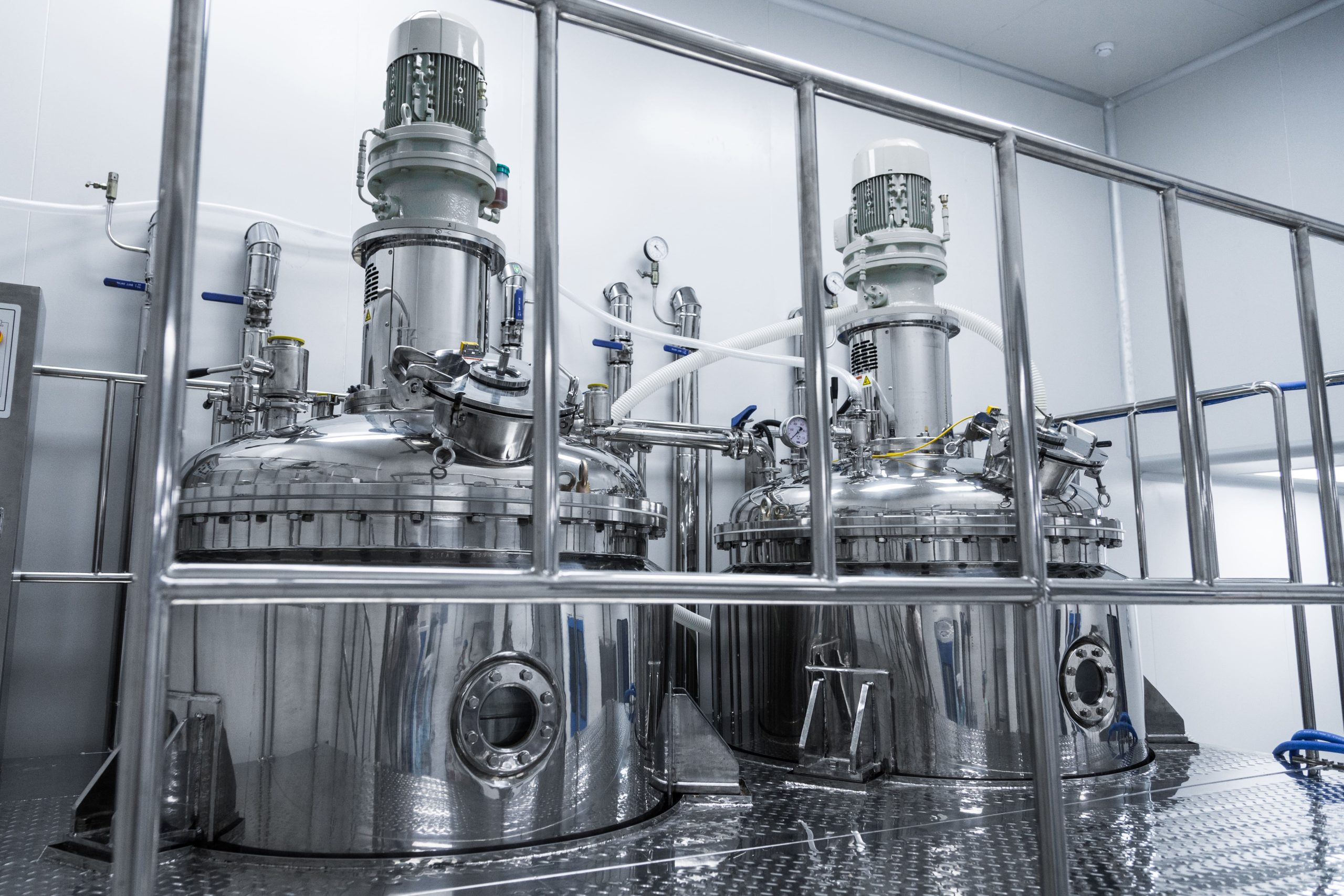
The US solid-state battery electrolytes industry is emerging as a crucial part of the next-generation battery ecosystem. Unlike conventional lithium-ion batteries that use liquid electrolytes, solid-state batteries utilize solid electrolytes, offering higher safety, improved energy density, and longer battery life. As electric vehicle adoption accelerates and energy storage requirements expand across the country, demand for advanced electrolyte materials continues to grow. Solid electrolytes are increasingly viewed as a game-changing technology capable of enabling faster charging, reduced fire risks, and enhanced battery performance, making them a strategic focus for manufacturers, researchers, and investors alike.
Market Drivers Advancing the US Solid-State Battery Electrolytes Industry
Rising Electric Vehicle Adoption Creating Strong Electrolyte Demand
The rapid growth of electric mobility in the United States is one of the primary drivers for solid-state battery electrolyte development. Automakers are seeking battery technologies that can deliver greater driving range and improved safety while reducing charging times. Solid-state batteries can potentially offer significantly higher energy density than conventional lithium-ion batteries, making them attractive for premium and next-generation EV platforms. As major automakers continue investing billions of dollars in battery research and domestic manufacturing facilities, demand for advanced electrolyte solutions is expected to rise substantially. Additionally, consumers increasingly prioritize vehicle safety and longer-lasting batteries. Solid electrolytes help eliminate leakage and flammability concerns associated with liquid electrolytes, making them a preferred technology pathway for future mobility applications.
Expanding Investment in Advanced Battery Research and Manufacturing
Investment activity across the US battery value chain is supporting rapid innovation in solid-state electrolytes. Research institutions, technology startups, and battery manufacturers are focusing on sulfide-based, oxide-based, and polymer-based electrolyte materials to improve battery performance and scalability. The US Department of Energy announced $16 million for five projects aimed at advancing domestic solid-state and flow battery manufacturing capabilities, highlighting growing interest in commercializing solid-state battery technologies. Furthermore, federal battery manufacturing and recycling programs provide up to $3 billion in funding support to strengthen domestic battery supply chains and advanced battery production capabilities.
Growing Need for Reliable Energy Storage Systems
Beyond transportation, utility-scale energy storage and renewable energy integration are creating additional opportunities for solid-state battery electrolytes. Grid operators increasingly require safer and longer-lasting energy storage technologies to support solar and wind installations. Solid-state batteries offer advantages such as improved thermal stability and longer cycle life, making them highly suitable for stationary storage systems. As renewable energy deployment expands nationwide, advanced electrolytes are expected to play an important role in the future energy storage landscape.
Government Initiatives Supporting the US Solid-State Battery Electrolyte Industry
Government agencies are actively supporting advanced battery innovation through funding programs, research partnerships, and domestic manufacturing incentives. The Department of Energy has funded multiple projects focused on scaling solid-state battery manufacturing and electrolyte technologies. Notably, DOE selected projects worth $16 million to accelerate domestic solid-state battery production capabilities. Additionally, federal battery manufacturing initiatives backed by the Infrastructure Investment and Jobs Act provide $3 billion to strengthen battery material processing, manufacturing, and recycling infrastructure across the country.
Competitive Landscape of the US Solid-State Battery Electrolytes Industry
The competitive environment features a mix of established battery manufacturers, specialized material suppliers, and innovative startups. Companies such as QuantumScape, Solid Power, Factorial Energy, and several advanced materials developers are actively working on next-generation solid electrolyte technologies. Strategic collaborations between automotive manufacturers, national laboratories, and research institutions are becoming increasingly common. Market participants are focusing on improving ionic conductivity, reducing production costs, and achieving large-scale manufacturability to gain a competitive advantage in this rapidly evolving industry.
Challenges Facing the US Solid-State Battery Electrolytes Industry
High Production Costs and Commercialization Barriers
Despite significant promise, solid-state electrolyte technologies remain expensive to manufacture compared to traditional liquid electrolyte systems. Scaling laboratory breakthroughs to mass production continues to be a major challenge for industry participants.
Material Performance and Manufacturing Complexity
Many electrolyte materials face issues related to conductivity, interface stability, and durability under real-world operating conditions. Manufacturers must also develop specialized production processes and supply chains before achieving widespread commercialization. These technical and operational hurdles can slow market penetration despite strong long-term demand potential.
Future Outlook
The future of the US solid-state battery electrolytes industry appears highly promising as battery innovation becomes central to transportation electrification and clean energy transitions. Ongoing investments in research, manufacturing infrastructure, and supply chain localization are expected to accelerate technology maturation. As production costs gradually decline and commercial-scale deployments increase, solid electrolytes are likely to become a critical component in advanced electric vehicles and grid storage systems. With strong support from government programs, rising private-sector investment, and growing demand for safer, higher-performance batteries, the industry is well-positioned for sustained growth in the coming years.
Consultants at Nexdigm, in their latest publication “US Solid-State Battery Electrolytes Market Outlook to 2035” analyze the sector By Electrolyte Material Chemistry (Lithium Thiophosphate and Glass-Ceramic Sulfides), By Primary Application Sector (Electric Passenger Vehicles and Heavy-Duty Commercial Transportation) and By Manufacturing Process (Wet Chemicals Synthesis and Cold Sintering Processes).
Nexdigm suggests that businesses in “US Solid-State Battery Electrolytes Industry” focusses on oilfield, desalination, construction, and industrial applications, strengthen local warehousing, develop application-specific grades, improve technical support, and build resilient sourcing networks to serve expanding energy, water, and manufacturing demand.
To take the next step, simply visit our Request a Consultation page and share your requirements with us.
Harsh Mittal
+91-8422857704