
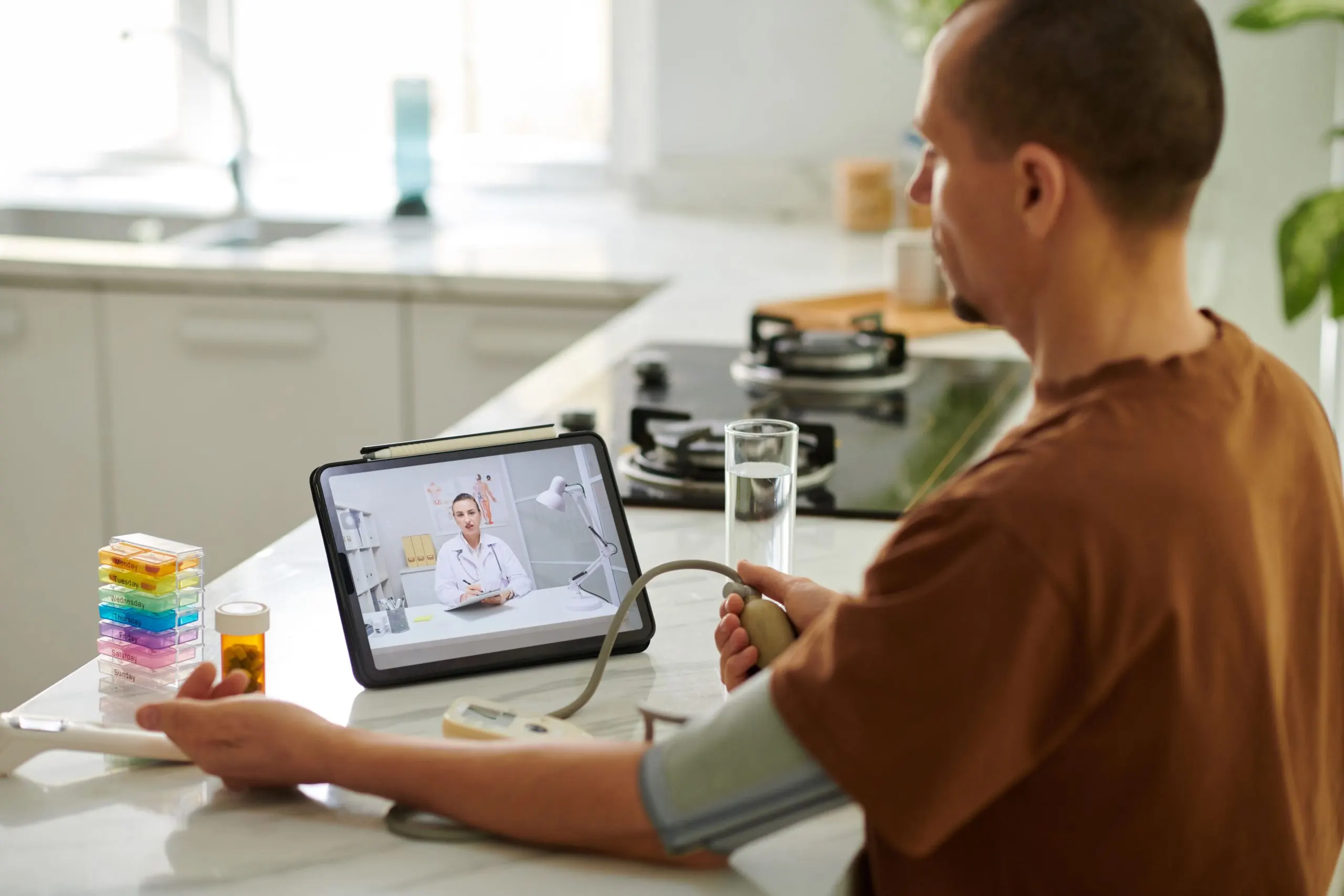
The USA healthcare sector has moved well beyond seeing telemedicine as a temporary convenience. What began as an emergency solution a few years ago now sits at the center of routine care for millions of patients. Video consultations, app-based follow-ups, digital prescriptions, and home monitoring tools are no longer niche services. They are part of normal care pathways. By 2026, insurers, hospitals, employers, and independent physicians have all invested heavily in virtual care because it saves time, improves access, and often lowers administrative burden. Patients have changed too. Many now expect healthcare to work with the same ease as banking or retail apps. That expectation matters. Once consumers become comfortable solving minor medical issues from home, they rarely want to return to long waiting rooms for every consultation. Through 2035, telemedicine in the USA looks set to deepen its role across both everyday care and specialist treatment.
What’s Driving the Telemedicine Market in the USA?
Consumer Preference for Faster Care
Convenience remains one of the clearest reasons for adoption. A parent with a child who has a mild fever can speak to a doctor from the kitchen table. A professional with little free time can schedule a lunchtime consultation rather than losing half a day commuting to a clinic. These use cases sound simple, but they solve real friction points in the healthcare system. Cost also plays a role. Many virtual visits are priced below in-person appointments, especially for low-complexity conditions such as seasonal allergies, skin rashes, or prescription renewals. In practice, telemedicine often becomes the first stop rather than the last resort.
Chronic Care and Remote Monitoring
The USA carries a heavy burden of chronic disease, particularly diabetes, hypertension, obesity, and heart conditions. These patients need regular check-ins more than dramatic hospital interventions. Telemedicine suits that reality. Instead of waiting for quarterly appointments, clinicians can review readings from connected devices and intervene earlier when something looks off. That changes the economics of care. A blood pressure spike noticed at home may prevent an emergency admission later. For providers under pressure to reduce avoidable hospital visits, remote monitoring has become far more than a nice extra feature.
Mental Health Going Digital
Few areas embraced virtual care as quickly as behavioral health. Therapy sessions and psychiatric consultations translate well to video, and many patients prefer the privacy of speaking from home. This has been especially true in suburban and rural areas where local specialists may be scarce. There is also a cultural shift underway. Younger adults are comfortable using apps for counseling, scheduling, and medication management. While digital therapy does not replace every in-person setting, it has undeniably widened access.
Government-Led Initiatives Supporting Digital Healthcare
Public policy has helped move telemedicine from optional service to accepted channel. Medicare and Medicaid expanded reimbursement in several categories, and many private insurers followed. Once providers knew they would be paid reliably, investment accelerated. Licensing remains more complicated because healthcare regulation often varies by state. Still, interstate practice compacts and temporary flexibilities have made cross-border care easier than before. Federal support for rural broadband has also mattered. Without stable internet, virtual medicine remains theoretical. On the ground, better connectivity often determines whether telehealth works or fails.
Market Competition and Innovation Landscape
The market includes established healthcare players, software firms, and retailers entering care delivery. Key names include Teladoc Health, Amwell, CVS Health, UnitedHealth Group, and Amazon. Competition now goes beyond video calling. Firms are bundling pharmacy delivery, AI symptom triage, chronic care coaching, multilingual support, and subscription models. Frankly, basic consultation tools are becoming commoditized. The next winners are more likely to be companies that make care coordination simpler rather than those offering another video platform.
Regulation, Trust, and Uneven Access
A common challenge is fragmentation. Rules for prescribing, reimbursement, and physician licensing still differ across jurisdictions. That creates friction for national operators. Trust is another issue. Patients may like convenience but remain cautious about sharing sensitive data through digital platforms. Cybersecurity failures can damage confidence quickly. At the same time, older adults and low-income households may struggle with devices, passwords, or poor connectivity. Telemedicine expands access, yet it can also leave some groups behind if implementation is careless.
Future Outlook
By 2035, virtual care will likely sit inside a hybrid healthcare model rather than replacing clinics outright. Routine follow-ups, medication reviews, mental health sessions, and chronic disease check-ins are natural fits for remote delivery. Physical examinations, imaging, and complex procedures will remain in-person. That balance matters. Telemedicine works best when used selectively, not as a blanket substitute. Expect stronger use of wearables, AI-assisted triage, home diagnostics, and post-discharge monitoring over the next decade. The USA should remain the most influential market in this space, largely because scale, private investment, and consumer demand continue to align.
Consultants at Nexdigm, in their latest publication “USA Telemedicine Market Outlook to 2035”, analyzed the market by Service Type (Video Consultation, Remote Patient Monitoring, Telepsychiatry, E-Prescription, Digital Therapeutics), By End User (Hospitals, Clinics, Employers, Insurers, Homecare Users), and By Region (Northeast, Midwest, South, West). Nexdigm believes businesses should focus on practical user experience, secure platforms, payer partnerships, and solutions designed for older patients who are often overlooked.
To take the next step, simply visit our Request a Consultation page and share your requirements with us.
Harsh Mittal
+91-8422857704