
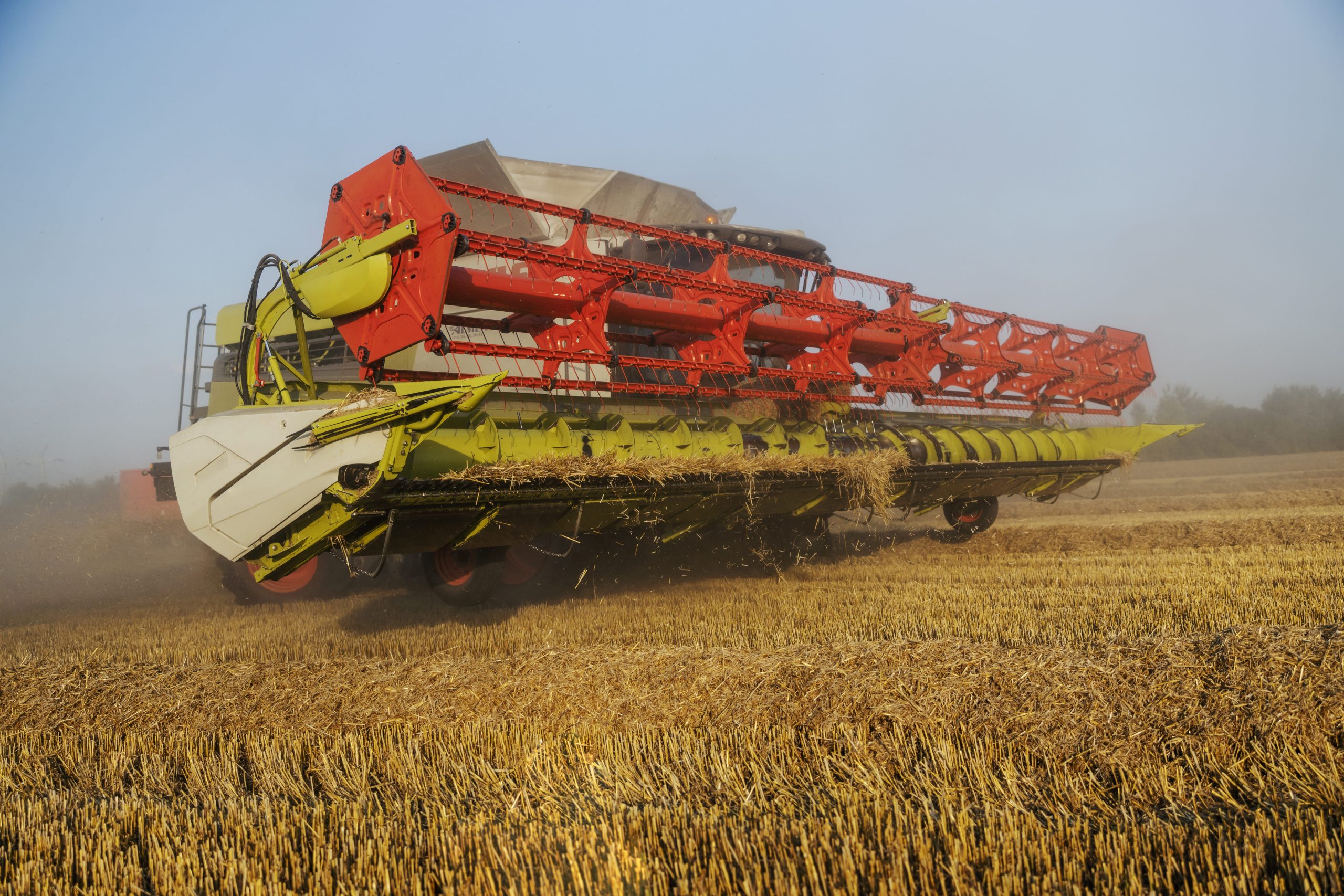
The USA agricultural combine harvester market is entering a new phase of technological transformation and replacement-driven growth as farmers adapt to rising input costs, labor shortages, and climate variability. As of 2026, the United States remains one of the largest producers and exporters of corn, soybeans, and wheat globally, underpinning steady demand for high-capacity harvesting machinery. Combines are critical to large-scale farming operations across the Midwest, where operational efficiency and yield optimization are paramount. While new equipment sales are influenced by commodity price cycles, long-term modernization, precision agriculture adoption, and fleet upgrades are expected to shape market expansion through 2035.
What’s Driving the Combine Harvester Market in the USA?
Rising Farm Consolidation and Large-Scale Operations
Over the past decade, US agriculture has witnessed continued consolidation, with mid- to large-scale farms accounting for a growing share of total production. Larger farms demand high-horsepower combines with advanced threshing systems and larger grain tanks to maximize productivity during short harvesting windows. States such as Iowa, Illinois, Nebraska, and Kansas continue to see strong adoption of Class 7–10 combines capable of handling thousands of acres efficiently. As farm sizes expand, growers increasingly invest in technologically advanced harvesters to reduce downtime and improve per-acre profitability.
Integration of Precision Agriculture and Smart Technologies
Technological innovation remains a core growth driver. Modern combine harvesters are increasingly equipped with GPS-guided steering, yield monitoring systems, telematics, and real-time data analytics. Leading manufacturers such as John Deere, CNH Industrial (owner of Case IH and New Holland Agriculture), and AGCO Corporation are integrating automation features including auto-adjusting rotor speed, grain loss sensors, and predictive maintenance capabilities. These smart systems enable farmers to optimize fuel efficiency, reduce grain loss, and make data-driven agronomic decisions. By 2035, semi-autonomous harvesting solutions are expected to gain broader commercial traction.
Labor Shortages and Operational Efficiency
Persistent farm labor shortages in the US are accelerating the adoption of high-capacity, automated harvesting equipment. Combines with larger headers and faster unloading systems reduce reliance on manual labor and enable faster field coverage. As harvesting windows become narrower due to unpredictable weather patterns, operational speed and reliability become critical investment considerations for growers.
Government Support and Sustainability Push
US agricultural policy and sustainability initiatives are indirectly supporting modernization. Programs administered by the United States Department of Agriculture (USDA), including conservation incentives and climate-smart agriculture funding, are encouraging farmers to adopt equipment that supports reduced fuel consumption and optimized input use. Additionally, sustainability commitments by major grain buyers and ethanol producers are pushing farms to adopt precision-enabled machinery that can document and verify sustainable practices. This trend supports demand for technologically advanced combines with integrated data tracking systems.
Market Competition and Industry Landscape
The US combine harvester market is moderately consolidated, dominated by a few global OEMs with extensive dealer networks and after-sales service capabilities. John Deere maintains a strong market presence across the Midwest, while Case IH and New Holland Agriculture compete aggressively in both premium and mid-range segments. AGCO’s Fendt and Massey Ferguson brands are expanding their footprint through innovation in high-efficiency harvesting technology. Dealership networks play a crucial role in financing, servicing, and equipment trade-ins. Flexible financing options, leasing models, and seasonal payment structures are key differentiators in a capital-intensive market where a new high-capacity combine can exceed several hundred thousand dollars. The used combine segment also remains significant, particularly during periods of lower commodity prices when farmers defer new purchases.
High Equipment Costs and Commodity Price Volatility
Combine harvesters remain among the most capital-intensive investments for grain producers, often requiring substantial upfront financing or long-term credit commitments. Volatility in corn and soybean prices significantly impacts farm profitability, directly influencing machinery purchasing decisions. During periods of lower commodity prices, farmers typically postpone equipment upgrades, resulting in cyclical demand patterns across the industry. Moreover, elevated interest rates, higher fuel prices, and rising input costs such as fertilizers and seeds can further restrict capital expenditure and delay modernization plans.
Future Outlook
The USA agricultural combine harvester market is expected to witness steady, technology-led growth through 2035. Replacement demand will remain the primary growth engine, as fleets purchased during previous commodity booms approach the end of their lifecycle. By 2035, a substantial share of new combines sold in the US is expected to feature advanced automation, AI-enabled yield optimization, and integrated farm management platforms. Electrification in heavy harvesting equipment may remain limited due to high power requirements; however, improvements in fuel efficiency, hybrid systems, and alternative fuels are likely to gain traction. Additionally, data interoperability between combines, tractors, and farm management software will become a competitive differentiator.
Consultants at Nexdigm, in their latest publication “USA Agricultural Combine Harvester Market Outlook to 2035,” analyzed the market by Class (Class 5–6, Class 7–8, Class 9–10), By Propulsion (Conventional, Hybrid), By Application (Corn, Wheat, Soybean, Others), and By Sales Channel (Direct Sales, Dealer Network, Online Platforms). Nexdigm believes that manufacturers should prioritize automation, predictive maintenance capabilities, and integrated digital ecosystems, while expanding flexible financing solutions to mitigate the impact of commodity price volatility and sustain long-term growth in the US combine harvester market.
To take the next step, simply visit our Request a Consultation page and share your requirements with us.
Harsh Mittal
+91-8422857704