
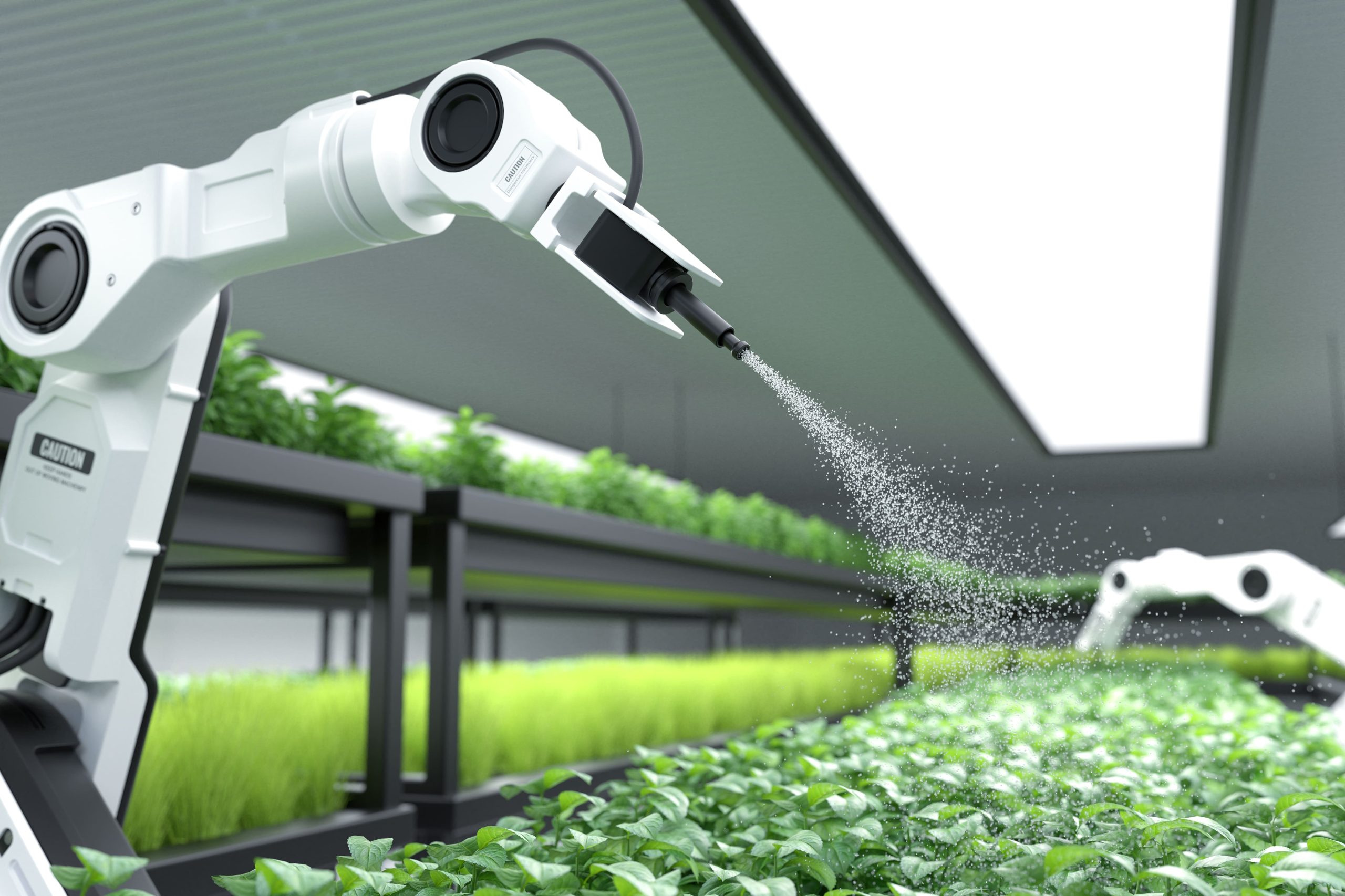
The USA agricultural sector is witnessing a rapid digital transformation as farmers increasingly adopt precision technologies to enhance productivity, optimize input usage, and address ongoing labor shortages. Agricultural control systems and sensors are becoming central to modern farm management, enabling real-time monitoring of soil conditions, crop health, irrigation, livestock movement, and equipment performance. As of 2026, the United States remains one of the largest adopters of precision agriculture technologies globally, supported by large-scale commercial farms and strong agri-tech innovation ecosystems. Rising climate variability, water scarcity concerns in western states, and the push for sustainable farming practices are further strengthening demand for advanced monitoring and automation systems. Through 2035, the market is expected to witness sustained growth driven by digital integration, farm consolidation, and policy-backed sustainability initiatives.
What’s Driving the Agricultural Control Systems & Sensors Market in the USA?
Rising Adoption of Precision Agriculture
Large commercial farms across the Midwest and California are increasingly deploying GPS-enabled guidance systems, variable rate technology (VRT), and IoT-based soil sensors to enhance yield efficiency. Companies such as John Deere and Trimble Inc. are integrating advanced sensor technologies into tractors, harvesters, and farm management platforms. These systems collect real-time field data on moisture levels, nutrient composition, and crop stress, enabling data-driven decision-making. Farmers are leveraging predictive analytics to optimize fertilizer application and irrigation schedules, reducing operational costs while improving output consistency.
Growing Water Management and Irrigation Needs
Water scarcity, particularly in states such as California and Arizona, is accelerating demand for smart irrigation controllers and soil moisture sensors. Precision irrigation systems equipped with automated control valves and climate-based sensors help farmers minimize water wastage while maintaining crop productivity. Advanced solutions offered by companies like Valmont Industries are enabling remote monitoring and automated adjustments through cloud-based dashboards. These technologies are becoming essential in specialty crop cultivation, vineyards, and high-value fruit and vegetable farming.
Labor Shortages and Automation Push
Persistent farm labor shortages in the United States are driving automation across planting, spraying, and harvesting processes. Sensor-based guidance systems, machine vision cameras, and autonomous steering controls reduce reliance on manual labor while improving operational accuracy. The integration of artificial intelligence and robotics into farm equipment is further strengthening demand for embedded control systems and environmental sensors. As farms scale operations, automation is increasingly viewed as a long-term cost optimization strategy rather than a discretionary investment.
Government Support and Sustainability Initiatives
Federal programs administered by the United States Department of Agriculture are promoting climate-smart agriculture and resource conservation practices. Incentives for precision nutrient management, soil health monitoring, and water-efficient irrigation systems are indirectly supporting demand for sensors and control platforms. Conservation grants and cost-sharing schemes are encouraging small and medium-sized farms to adopt digital monitoring tools. Additionally, sustainability commitments from food processors and retailers are pushing growers to adopt traceability-enabled sensor systems that provide verifiable environmental data.
Market Competition and Technology Landscape
The USA agricultural control systems and sensors market is moderately consolidated, with established agri-machinery manufacturers and specialized agri-tech firms competing alongside emerging startups. Major players such as AGCO Corporation and Raven Industries are expanding their digital portfolios through acquisitions and strategic partnerships. Meanwhile, independent sensor manufacturers are focusing on niche applications such as livestock monitoring, greenhouse automation, and drone-based crop imaging. Cloud connectivity, interoperability, and subscription-based farm management software models are becoming key competitive differentiators.
High Initial Investment and Data Integration Barriers
Despite strong long-term benefits, high upfront costs of advanced sensor networks and automated control systems remain a barrier for smaller farms. Integration challenges between legacy equipment and modern digital platforms can also slow adoption. Data ownership concerns and cybersecurity risks are emerging issues as farms become increasingly connected. Additionally, fragmented connectivity infrastructure in rural areas may limit real-time data transmission in certain regions.
Future Outlook
The USA agricultural control systems and sensors market is expected to expand steadily through 2035, driven by precision farming adoption, sustainability mandates, and advancements in AI-enabled farm analytics. By 2035, a significant share of large and mid-sized farms are projected to operate integrated digital farm management systems combining soil sensors, weather stations, automated irrigation controls, and autonomous machinery guidance. Increasing adoption of carbon tracking tools and regenerative agriculture practices will further accelerate sensor deployment. Over time, the market is anticipated to transition toward fully connected farm ecosystems, where equipment, crops, and supply chains are digitally synchronized. Businesses that prioritize interoperability, data analytics capabilities, and scalable subscription-based service models are likely to gain competitive advantage.
Consultants at Nexdigm, in their latest publication “USA Agricultural Control Systems & Sensors Market Outlook to 2035”, analyzed the market by Component (Sensors, Controllers, Automation Systems, Software Platforms), By Application (Precision Farming, Irrigation Management, Livestock Monitoring, Greenhouse Automation), and By Farm Size (Small Farms, Medium Farms, Large Commercial Farms). Nexdigm believes that companies should focus on integrated digital ecosystems, partnerships with agri-equipment OEMs, and AI-powered analytics solutions to capture long-term growth opportunities in the evolving US precision agriculture landscape.
To take the next step, simply visit our Request a Consultation page and share your requirements with us.
Harsh Mittal
+91-8422857704