
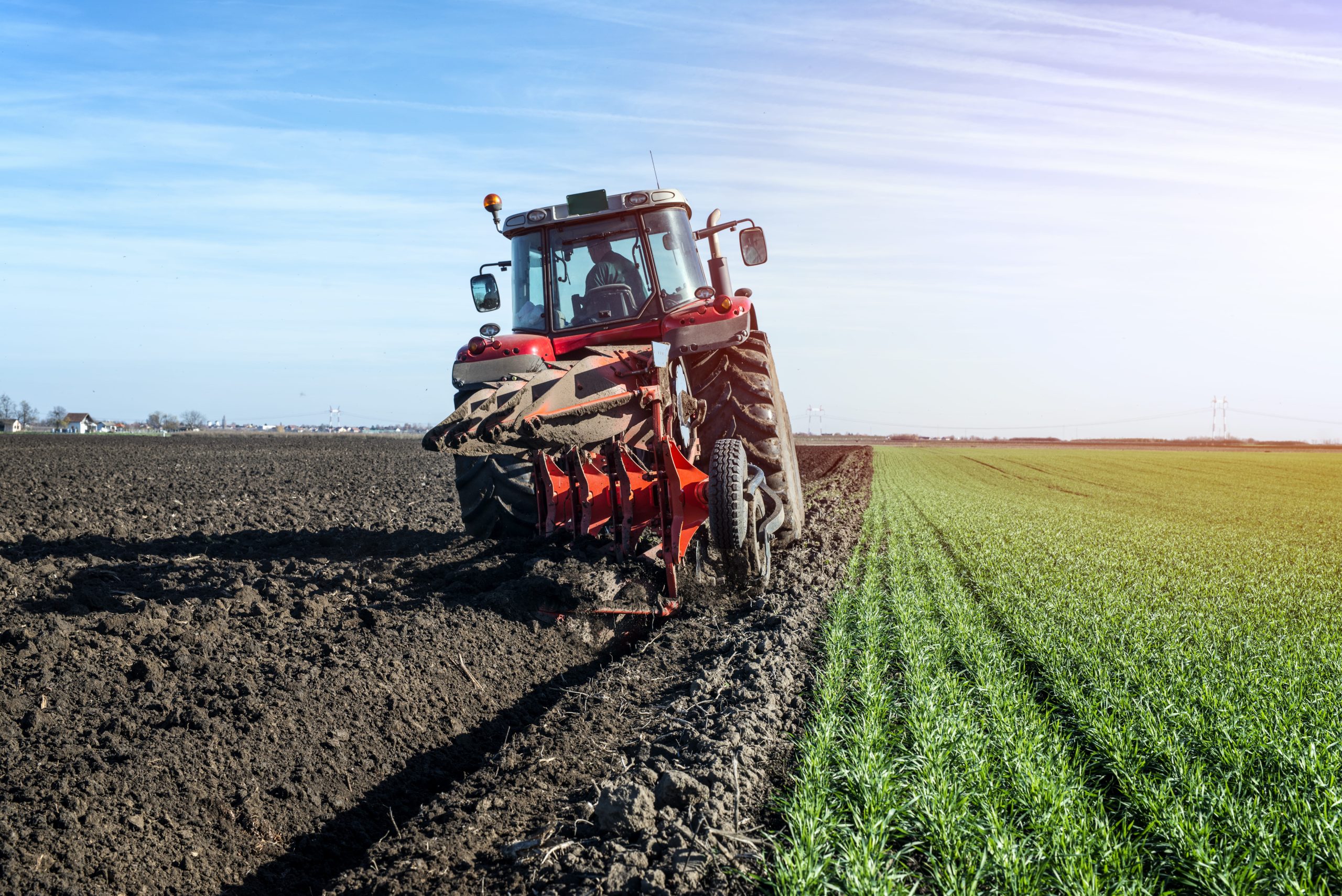
The USA agricultural equipment market is witnessing steady expansion in 2026, supported by large-scale farm consolidation, rising mechanization intensity, and rapid adoption of precision agriculture technologies. The United States remains one of the largest agricultural producers globally, with high equipment penetration across row crops such as corn, soybean, and wheat. However, the market is evolving beyond conventional machinery toward connected, data-driven, and automation-enabled equipment. While replacement demand continues to account for a major share of sales, technology upgrades and sustainability goals are reshaping purchasing decisions. As farms scale up operations and focus on productivity optimization, demand for high-horsepower tractors, smart harvesters, and precision implements is expected to strengthen through 2035.
What’s Driving the Agricultural Equipment Market in the USA?
Rising Adoption of Precision Agriculture
Technological advancement remains a key growth catalyst in the USA agricultural equipment market. Farmers are increasingly integrating GPS-guided systems, variable rate technology (VRT), telematics, and AI-enabled farm management platforms into their machinery. Leading manufacturers such as John Deere have introduced autonomous tractor prototypes and precision sprayers designed to reduce input costs and improve yield efficiency. Similarly, AGCO Corporation and CNH Industrial are investing in smart farming ecosystems that integrate equipment with real-time data analytics. These innovations are enabling farmers to optimize seed placement, fertilizer use, and irrigation, thereby increasing productivity per acre.
Farm Consolidation and Large-Scale Operations
The continued consolidation of farmland into larger holdings is driving demand for high-capacity equipment. Large commercial farms require advanced combines, high-horsepower tractors (above 100 HP), and automated planting systems to manage extensive acreage efficiently. Bigger farm sizes necessitate durable and technologically advanced machinery capable of operating with minimal downtime. This structural shift toward scale is expected to support long-term equipment demand, particularly in the Midwest and Great Plains regions.
Sustainability and Climate-Smart Farming
Sustainability concerns and climate variability are influencing equipment design and procurement. Farmers are increasingly adopting low-emission engines, electric utility tractors, and conservation tillage equipment. The push toward regenerative agriculture practices is also increasing demand for precision seed drills and residue management tools. Equipment manufacturers are aligning their product portfolios with carbon reduction goals and fuel efficiency standards, positioning sustainability as a competitive differentiator.
Government-Led Initiatives and Policy Support
Federal and state-level programs continue to encourage farm modernization. Subsidies for conservation practices, crop insurance support, and incentives for adopting climate-smart agriculture are indirectly promoting equipment upgrades. The USDA’s conservation and innovation programs are encouraging investment in precision technologies that reduce environmental impact. Additionally, infrastructure investments in rural broadband connectivity are strengthening the adoption of connected machinery and real-time monitoring systems across farming communities.
Market Competition and Industry Landscape
The USA agricultural equipment market is moderately concentrated, with a few dominant players accounting for a significant share of total revenue. John Deere leads the market with a broad portfolio of tractors, harvesters, and digital farming solutions. CNH Industrial (owner of Case IH and New Holland Agriculture brands) and AGCO Corporation (parent company of Fendt and Massey Ferguson) remain strong competitors, focusing on product innovation and dealer network expansion. Manufacturers are increasingly offering bundled solutions that combine machinery, software subscriptions, predictive maintenance services, and financing packages. The expansion of certified pre-owned equipment programs is also reshaping the competitive landscape, particularly among mid-sized and cost-conscious farmers. Strategic partnerships with agri-tech startups and software providers are further intensifying competition in the precision farming segment.
Income Volatility and High Capital Costs Restraining Equipment Investments
One of the primary challenges in the USA agricultural equipment market is income volatility driven by fluctuating commodity prices and farm profitability. Variations in corn and soybean prices significantly influence farmers’ capital expenditure decisions, often delaying machinery upgrades. High equipment costs coupled with elevated interest rates further restrict large purchases, particularly for small and mid-sized farms. Although supply chains have stabilized in 2026, high upfront investments in advanced and autonomous machinery remain a key financial barrier.
Future Outlook
The USA agricultural equipment market is expected to grow steadily through 2035, driven by replacement demand, technological upgrades, and increasing automation. By 2035, autonomous tractors and AI-enabled harvesting systems are anticipated to move from pilot stages to mainstream adoption across large commercial farms. Precision agriculture solutions are expected to become standard features rather than premium add-ons. Electric and hybrid-powered utility tractors are likely to gain traction in specialty farming and horticulture segments. Furthermore, data-driven service models, subscription-based software platforms, and predictive maintenance solutions will play a central role in recurring revenue generation for manufacturers.
Consultants at Nexdigm, in their latest publication “USA Agricultural Equipment Market Outlook to 2035,” analyzed the market by Equipment Type (Tractors, Harvesters, Planting Equipment, Sprayers, Hay & Forage Equipment), By Horsepower (Below 50 HP, 50–100 HP, Above 100 HP), By Farm Size (Small, Medium, Large), and By Sales Channel (OEM Dealers, Independent Dealers, Online Platforms, Auctions). Nexdigm believes that companies should prioritize precision integration, electrification strategies, and flexible financing models while strengthening dealer networks and after-sales service capabilities to capture long-term growth opportunities in the evolving US agricultural landscape.
To take the next step, simply visit our Request a Consultation page and share your requirements with us.
Harsh Mittal
+91-8422857704