
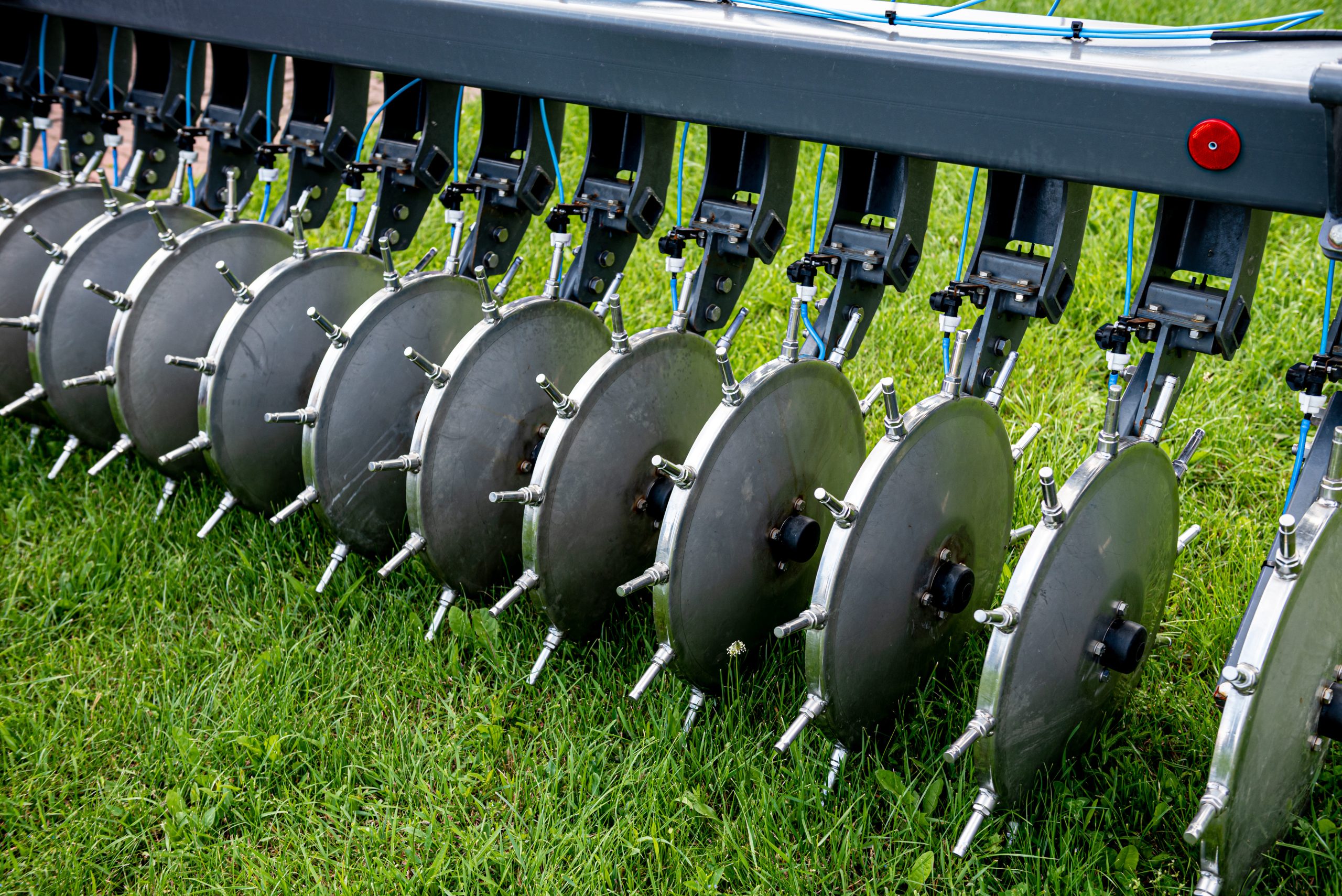
The USA agricultural hydraulic components market is witnessing steady expansion as farm mechanization, large-scale commercial agriculture, and precision farming technologies continue to evolve. As of 2026, the United States remains one of the largest agricultural producers globally, with high penetration of advanced machinery across row crops, orchards, and livestock operations. Hydraulic systems form the backbone of modern farm equipment, enabling efficient power transmission in tractors, harvesters, sprayers, and balers. Increasing adoption of high-horsepower machinery, automation-ready equipment, and retrofitting of aging fleets are collectively driving demand for pumps, valves, cylinders, motors, and hydraulic hoses. With farms focusing on productivity, fuel efficiency, and smart operations, hydraulic component innovation is becoming central to equipment performance and lifecycle management.
What’s Driving the Agricultural Hydraulic Components Market in the USA?
Rising Mechanization and High-Horsepower Equipment Demand
The United States agricultural landscape is dominated by large commercial farms that require high-capacity machinery for planting, harvesting, and post-harvest operations. Modern tractors and combines increasingly rely on advanced hydraulic systems to support heavy attachments, steering systems, and load-handling functions. As farm sizes expand and labor availability tightens, farmers are investing in powerful, multi-functional machines that depend on reliable hydraulic performance. This trend is boosting demand for high-pressure hydraulic pumps, precision valves, and durable cylinders capable of operating in demanding field conditions.
Integration of Precision Agriculture Technologies
Precision agriculture is transforming equipment architecture across the country. GPS-guided tractors, variable-rate sprayers, and automated harvesting systems require hydraulic components that can deliver precise motion control and seamless integration with electronic systems. Electro-hydraulic systems are gaining traction, enabling improved accuracy in seed placement, fertilizer application, and irrigation control. As smart farming becomes mainstream, manufacturers are increasingly designing hydraulic systems compatible with sensors and digital monitoring platforms. This shift is driving innovation in compact, energy-efficient hydraulic assemblies tailored for precision-based applications.
Aftermarket Replacement and Fleet Modernization
A substantial share of agricultural equipment in the United States has been operational for over a decade. Aging machinery creates sustained demand for replacement hydraulic hoses, seals, pumps, and control valves. Harsh operating environments—exposure to dust, moisture, and temperature fluctuations—accelerate wear and tear, supporting steady aftermarket sales. At the same time, fleet modernization initiatives among large farms and agribusinesses are encouraging upgrades to advanced hydraulic systems that improve efficiency and reduce downtime. The dual demand from OEM supply and aftermarket services is strengthening overall market stability.
Government Policies and Sustainability Trends
Federal and state-level initiatives promoting sustainable farming practices are indirectly influencing the hydraulic components market. Incentives for adopting fuel-efficient and low-emission agricultural machinery are encouraging equipment upgrades. Hydraulic systems designed to reduce energy loss, improve fluid efficiency, and minimize leakage align with broader environmental compliance goals. Additionally, conservation programs supporting precision irrigation and soil management systems are contributing to demand for specialized hydraulic assemblies in irrigation equipment and controlled farming setups. The transition toward renewable diesel usage and electrified farm equipment is also prompting manufacturers to develop hybrid and electro-hydraulic systems that optimize energy consumption while maintaining high torque and lifting capabilities.
Market Competition and Industry Landscape
The USA agricultural hydraulic components market is moderately consolidated, with global and domestic manufacturers competing across OEM and aftermarket channels. Key players include Parker Hannifin Corporation, Eaton Corporation, Bosch Rexroth AG, Danfoss Power Solutions, and HydraForce Inc. These companies focus on product innovation, distribution partnerships, and integrated hydraulic solutions tailored to agricultural machinery manufacturers. OEM partnerships with leading farm equipment manufacturers remain critical for long-term growth. At the same time, regional distributors and service providers play a vital role in the aftermarket segment, offering maintenance support and rapid component replacement during peak farming seasons. Technological differentiation—particularly in electro-hydraulic integration and predictive maintenance solutions—is emerging as a competitive advantage.
Volatility in Farm Incomes Impacting Equipment Investment
Fluctuating commodity prices remain a major challenge for the USA agricultural hydraulic components market, as farm incomes are directly tied to crop price cycles. During periods of declining corn, soybean, or wheat prices, farmers often delay capital expenditure on new machinery and upgrades. This postponement reduces immediate demand for OEM-installed hydraulic systems and high-value components. Even aftermarket purchases may be limited to essential replacements rather than performance upgrades, creating cyclical revenue uncertainty for manufacturers and distributors.
Future Outlook
The USA agricultural hydraulic components market is expected to grow steadily through 2035, supported by continued mechanization, digital integration, and sustainability-driven equipment upgrades. Increasing penetration of precision agriculture, autonomous tractors, and smart implements will accelerate demand for advanced electro-hydraulic systems. By 2035, a significant portion of newly manufactured agricultural machinery in the United States is projected to incorporate digitally integrated hydraulic architectures capable of real-time diagnostics and predictive maintenance. The aftermarket segment will remain robust, driven by equipment longevity and the need for high-performance replacement parts.
Consultants at Nexdigm, in their latest publication “USA Agricultural Hydraulic Components Market Outlook to 2035,” analyzed the market by Component Type (Pumps, Valves, Cylinders, Motors, Filters, Hoses & Fittings), By Application (Tractors, Harvesters, Sprayers, Irrigation Systems, Balers), and By Sales Channel (OEM, Aftermarket Distributors, Direct Sales). Nexdigm believes that businesses should prioritize energy-efficient hydraulic technologies, strengthen aftermarket distribution networks, and invest in smart electro-hydraulic systems to remain competitive in the evolving US agricultural machinery ecosystem.
To take the next step, simply visit our Request a Consultation page and share your requirements with us.
Harsh Mittal
+91-8422857704