
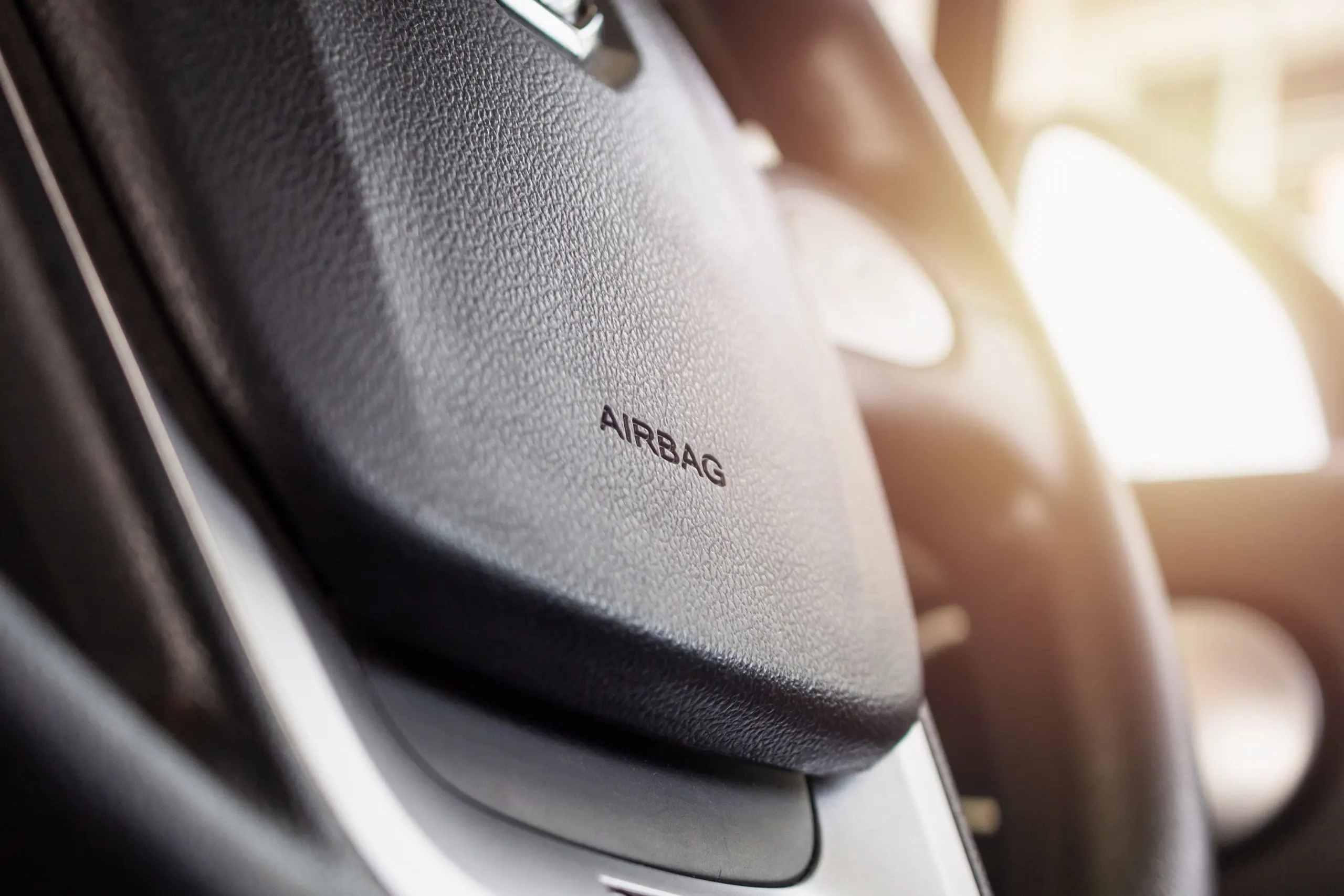
The USA airbags market continues to evolve as automakers place greater emphasis on passenger safety, vehicle intelligence, and crash-response technologies. Airbags, once limited to basic front-seat protection, now form part of a far more layered safety setup that includes side-impact systems, curtain airbags, knee protection, and even pedestrian airbags in select premium models. By 2026, most new passenger vehicles sold in the United States come equipped with six or more airbags as standard. At the same time, electric vehicles and semi-autonomous driving features are changing how manufacturers design cabin safety. What worked for traditional sedans ten years ago does not always fit modern EV interiors or future autonomous concepts.
What’s Driving the Airbags Market in the USA?
Tougher Vehicle Safety Standards
US safety regulators have steadily tightened crash protection requirements over the years, leaving automakers with little room to cut corners on occupant safety. Agencies such as the National Highway Traffic Safety Administration continue to push for better side-impact protection and enhanced crash-test performance. In practice, this means manufacturers are fitting more airbags across vehicle categories, even in entry-level models. Pickup trucks and SUVs, which dominate American roads, often require larger and more sophisticated airbag configurations because of their size and accident profiles. Consumers are also paying closer attention to safety ratings before buying vehicles, particularly families purchasing SUVs or crossover models.
Electric Vehicles Are Changing Cabin Design
The shift toward electric mobility has quietly created a new set of engineering challenges for airbag manufacturers. EV platforms typically offer more open cabin layouts due to the absence of large combustion engines and transmission tunnels. Some automakers are experimenting with rotating seats and lounge-like interiors for autonomous-ready vehicles. Traditional frontal airbags alone cannot provide sufficient protection in these settings. As a result, suppliers are developing adaptive airbag systems that respond to passenger position, crash angle, and seat orientation. Companies supplying safety systems to Tesla, Rivian, and General Motors are already working on airbags designed specifically for next-generation EV cabins.
Smarter Safety Systems and Sensor Integration
Modern airbags rely on far more than impact force alone. Advanced sensor networks now monitor seat occupancy, driver behavior, seatbelt usage, and even body positioning before deployment. This matters because an incorrectly timed deployment can sometimes cause injuries rather than prevent them. Manufacturers are investing heavily in AI-assisted crash sensing technology that reacts within milliseconds. Lightweight materials are also becoming a priority since automakers are under pressure to improve fuel efficiency and battery range. Smaller inflators and compact modules help reduce vehicle weight without compromising safety performance.
Government-Led Safety Initiatives
Federal road safety programs continue to influence the direction of the airbags market in the United States. Authorities have spent years pushing automakers toward stronger crash survivability standards, particularly after concerns around rising road fatalities following the pandemic period. Incentives tied to electric vehicle manufacturing and domestic automotive production have indirectly benefited airbag suppliers as well. Several states are also encouraging testing of autonomous vehicles, which has accelerated research into advanced occupant protection systems. Still, regulation remains a balancing act. Automakers often argue that stricter safety mandates raise production costs, particularly for affordable vehicle segments.
Market Competition
The USA airbags market remains highly competitive, with a handful of global suppliers controlling a large share of production. Competition revolves around reliability, lightweight materials, and faster sensor response times rather than simple manufacturing scale alone. Suppliers that secure long-term partnerships with EV makers are likely to gain an advantage over the next few years. At the same time, product recalls remain a serious concern in this industry. The Takata airbag crisis still shapes how manufacturers approach testing and quality control today.
Supply Chain and Cost Pressure
One persistent issue for airbag manufacturers is the growing complexity of automotive supply chains. Critical components such as semiconductors, inflators, and specialty fabrics often come from multiple countries, making production vulnerable to trade disruptions and material shortages. Costs have also climbed sharply since 2021, particularly for electronic sensors and raw nylon materials. A common challenge is balancing advanced safety features with affordability. Carmakers want smarter systems, but consumers remain sensitive to rising vehicle prices. This pressure becomes even more visible in mid-range vehicle categories where manufacturers try to maintain competitive pricing.
Future Outlook
The USA airbags market will likely move toward more intelligent and adaptive safety systems by 2030. Airbags connected with real-time occupant monitoring, AI-assisted crash prediction, and autonomous driving software are becoming less experimental and more commercially viable. Side airbags and multi-directional protection systems may become standard even outside luxury vehicles. Sustainability is also entering the conversation, with suppliers exploring recyclable fabrics and lower-emission manufacturing methods.
Consultants at Nexdigm, in their latest publication “USA Airbags Market Outlook to 2030”, analyzed the market by Airbag Type (Front Airbags, Side Airbags, Curtain Airbags, Knee Airbags, Pedestrian Airbags), By Vehicle Type (Passenger Cars, Commercial Vehicles, Electric Vehicles), and By Distribution Channel (OEMs and Aftermarket). Nexdigm believes companies should focus on adaptive safety technologies, EV-focused partnerships, and long-term supplier reliability as competition within the automotive safety segment intensifies.
To take the next step, simply visit our Request a Consultation page and share your requirements with us.
Harsh Mittal
+91-8422857704