
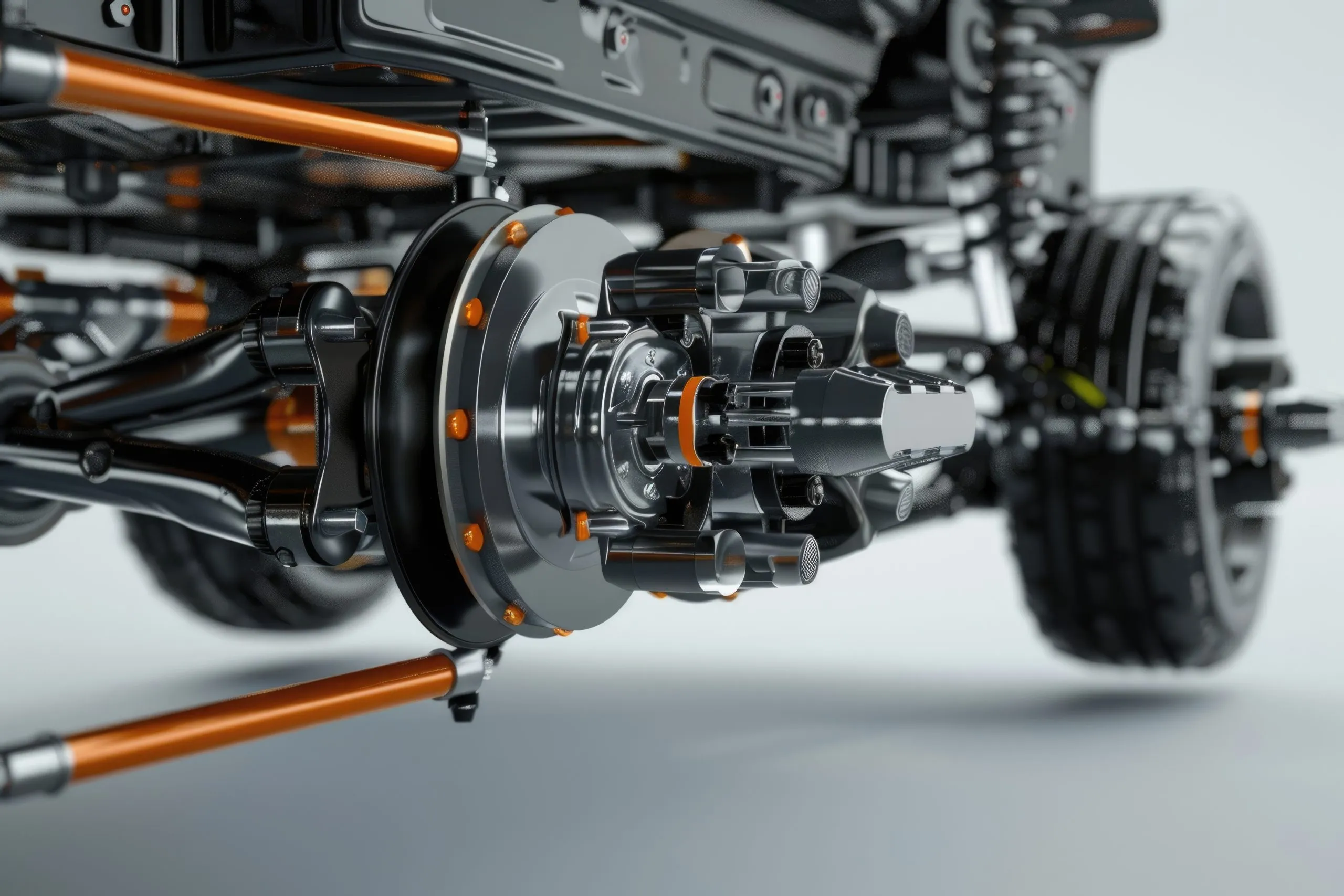
The automotive axle market in the United States plays a critical role in vehicle performance, stability, and power transmission. As the automotive industry evolves, axles are becoming more advanced, especially with the rise of electric and hybrid vehicles. Globally, the axle market is projected to reach around $50 billion in the coming years, growing rapidly. In the U.S., demand is closely tied to vehicle production, aftermarket services, and technological upgrades. With increasing focus on lightweight materials and efficiency, axles are no longer just mechanical components but key enablers of modern mobility.
Key Drivers Shaping Axle Market Growth of the USA
Growth in Vehicle Production and Aftermarket Demand
The steady demand for passenger and commercial vehicles in the U.S. continues to drive the axle market. As more vehicles are produced and sold, the need for reliable drivetrain components like axles naturally increases. Additionally, the aftermarket segment plays a major role, as aging vehicles require regular maintenance and replacement parts. This consistent demand ensures stable growth for axle manufacturers and suppliers.
Shift Toward Electric and Hybrid Vehicles
One of the most important drivers is the rapid transition toward electric vehicles (EVs) and hybrid systems. Modern vehicles are increasingly using e-axles, which integrate motors and transmission systems into a single unit.
The global e-axle market alone is projected to grow rapidly, in the coming years, highlighting the scale of this shift. As automakers invest in electrification, demand for advanced axle systems is expected to rise significantly.
Focus on Lightweight and High-Performance Materials
Automakers are continuously looking for ways to improve fuel efficiency and vehicle performance. This has led to increased use of lightweight materials such as aluminum and composite alloys in axle design. These materials help reduce overall vehicle weight while maintaining strength and durability. As a result, innovation in material science is becoming a key factor in axle market growth.
Government Support boosting the USA Axle Market Growth
Government regulations in the U.S. are indirectly supporting the axle market through policies focused on fuel efficiency and emissions reduction. Standards set by agencies like the Environmental Protection Agency (EPA) are encouraging automakers to adopt lighter and more efficient components. Incentives for electric vehicle adoption are also accelerating demand for advanced axle systems, particularly e-axles. These regulatory efforts are shaping product innovation and pushing manufacturers toward more sustainable solutions.
Competitive Landscape and Market Players of USA Axle industry
The U.S. axle market is highly competitive, with a mix of global and domestic manufacturers. Key players include American Axle & Manufacturing, Dana Incorporated, and ZF Friedrichshafen. These companies focus on innovation, efficiency, and integration of advanced technologies. Strategic partnerships and acquisitions are common, helping companies expand capabilities and address evolving market needs.
Market Challenges Impacting the USA Axles Industry Growth
Transition to Fully Electric Vehicles
While electrification creates opportunities, it also presents challenges.
Fully electric vehicles require fewer traditional drivetrain components, which could reduce demand for conventional axles over time. Manufacturers must adapt by developing integrated e-axle systems to remain relevant.
Cost Pressures and Supply Chain Issues
Fluctuations in raw material prices and supply chain disruptions can impact production costs. Additionally, the shift to advanced materials and technologies increases development expenses. These factors can put pressure on margins, especially for smaller suppliers.
Future Outlook
In the upcoming years, the U.S. axle market is expected to grow steadily, supported by ongoing vehicle production and technological advancements. The transition toward electric and hybrid vehicles will reshape the market, with e-axles becoming increasingly important. At the same time, innovations in lightweight materials and smart manufacturing will improve efficiency and performance. While challenges remain, particularly around electrification and costs, the market is likely to adapt and evolve. Overall, axles will continue to play a vital role in the automotive ecosystem, even as vehicle technologies undergo significant transformation.
Consultants at Nexdigm, in their latest publication USA Axles Market Outlook to 2030, analyze the sector by System Type (Live Axels, Dead Axles, Drive Axle, Non- Drive, Independent Suspension Axles), by Fitment Type (OEM System, Aftermarket System, Custom fit and Heavy-Duty System).
Nexdigm suggests that businesses in the USA must proactively adapt to the evolving automotive landscape by investing in next-generation axle technologies, particularly e-axles and lightweight drivetrain systems aligned with electric and hybrid vehicles. This includes strengthening research and development capabilities, adopting advanced manufacturing processes, and improving supply chain resilience to manage cost pressures and disruptions.
To take the next step, simply visit our Request a Consultation page and share your requirements with us.
Harsh Mittal
+91-8422857704