
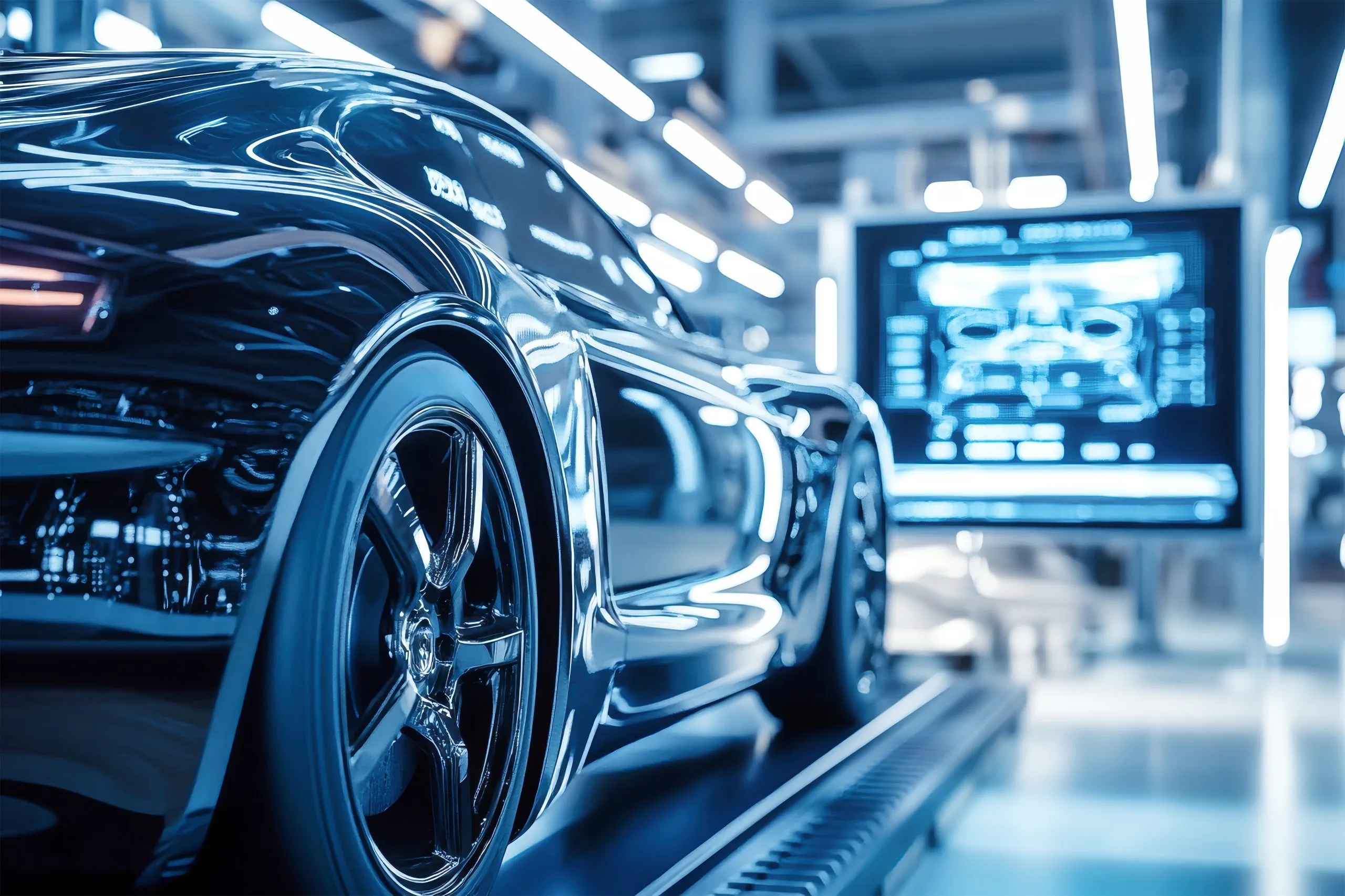
The U.S. automotive lighting market is evolving steadily, supported by technological innovation, safety regulations, and changing consumer preferences. The market was valued at approximately USD 4.41 billion in 2024 and is projected to reach USD 6.20 billion by 2030, growing at a CAGR of around 5.8%. Automotive lighting—ranging from headlamps to interior ambient systems—has shifted from a purely functional component to a critical element of vehicle safety, efficiency, and design. Increasing adoption of LED and adaptive lighting technologies is reshaping the industry as automakers focus on smarter and more energy-efficient solutions.
Key Growth Drivers in the U.S. Automotive Lighting Market
Rising Demand for Advanced Safety Systems
Safety remains a primary growth driver in the U.S. automotive lighting market. Governments and regulatory bodies emphasize improved road visibility and accident prevention, leading to increased adoption of advanced lighting systems such as adaptive headlights and automatic high beams. Globally, regulatory mandates and safety concerns are key factors driving lighting innovation and market expansion. Enhanced lighting improves driver visibility in low-light conditions, directly contributing to reduced accident rates.
Shift Toward LED and Smart Lighting Technologies
LED lighting dominates the market due to its energy efficiency, longer lifespan, and design flexibility. In 2023, LED technology accounted for a significant share of automotive lighting revenue globally. The U.S. market is witnessing increasing integration of smart lighting systems, including adaptive lighting, OLEDs, and AI-enabled lighting functions. These technologies not only improve performance but also support vehicle electrification by reducing energy consumption.
Growth in Electric Vehicles (EVs) and Vehicle Production
The rise of EVs is accelerating demand for advanced lighting solutions. EVs rely on efficient and lightweight components, making LEDs and OLEDs essential. Additionally, growing vehicle production and consumer demand for premium features such as ambient lighting and customized designs are further boosting market growth. EV-related lighting demand is expected to significantly contribute to global market expansion through 2030.
Government Regulations and Policy Support Driving Market Adoption
Government regulations in the U.S. strongly influence the automotive lighting market. Safety standards for mandating features such as daytime running lights (DRLs), adaptive headlights, and improved visibility systems are key drivers of adoption. Regulatory frameworks emphasize reducing road accidents and improving driver awareness. Additionally, policies supporting EV adoption indirectly promote advanced lighting technologies, as electric vehicles require energy-efficient and innovative lighting systems aligned with sustainability goals.
Competitive Dynamics and Key Players in the U.S. Automotive Lighting Market
The U.S. automotive lighting market is moderately consolidated, with global players competing through innovation and partnerships. Companies such as Hella, Valeo, OSRAM, and Stanley Electric are prominent participants, focusing on LED and adaptive lighting technologies. Competitive strategies include product differentiation, R&D investment, and collaborations with automakers. The emphasis is shifting toward smart and connected lighting systems, allowing companies to strengthen their positioning in a technology-driven market.
Key Challenges Impacting Growth in the U.S. Automotive Lighting Market
High Cost of Advanced Lighting Systems
Advanced lighting technologies such as adaptive LEDs and OLED systems are significantly more expensive than traditional halogen solutions. This cost factor can limit adoption, particularly in mid-range vehicle segments.
Supply Chain and Integration Complexity
The integration of smart lighting systems requires complex electronics and software, increasing manufacturing challenges. Supply chain disruptions and semiconductor shortages also affect production timelines, impacting market growth and profitability.
Future Outlook
The U.S. automotive lighting market is expected to witness steady growth through 2030, driven by technological innovation and increasing EV penetration. While North America’s growth rate is relatively moderate at around 1.6% CAGR regionally, the U.S. will remain a key contributor due to high adoption of advanced vehicle technologies. Future trends include AI-enabled lighting, adaptive beam systems, and integration with autonomous driving platforms. As vehicles become more connected and electrified, automotive lighting will evolve into an intelligent system enhancing safety, efficiency, and user experience.
Consultants at Nexdigm, in their latest publication “USA Automotive Lighting Market Outlook 2030,” analyze the sector by Product Type (Headlamps, Taillamps, Daytime running lamps, Fog lamps), By Technology (Halogen, Xenon HID, LED), and By Vehicle Type (Passenger cars, Light commercial vehicles, Heavy commercial vehicles). Nexdigm suggests that businesses should align their strategies with evolving market trends while remaining responsive to changing customer preferences. Companies need to closely monitor regulatory requirements and ensure compliance to avoid operational risks. Adopting advanced technologies can enhance efficiency, innovation, and competitiveness in a dynamic market environment. Additionally, a proactive and adaptable approach enables organizations to respond effectively to disruptions. Overall, focusing on market relevance and strategic agility supports long-term, sustainable growth.
To take the next step, simply visit our Request a Consultation page and share your requirements with us.
Harsh Mittal
+91-8422857704