
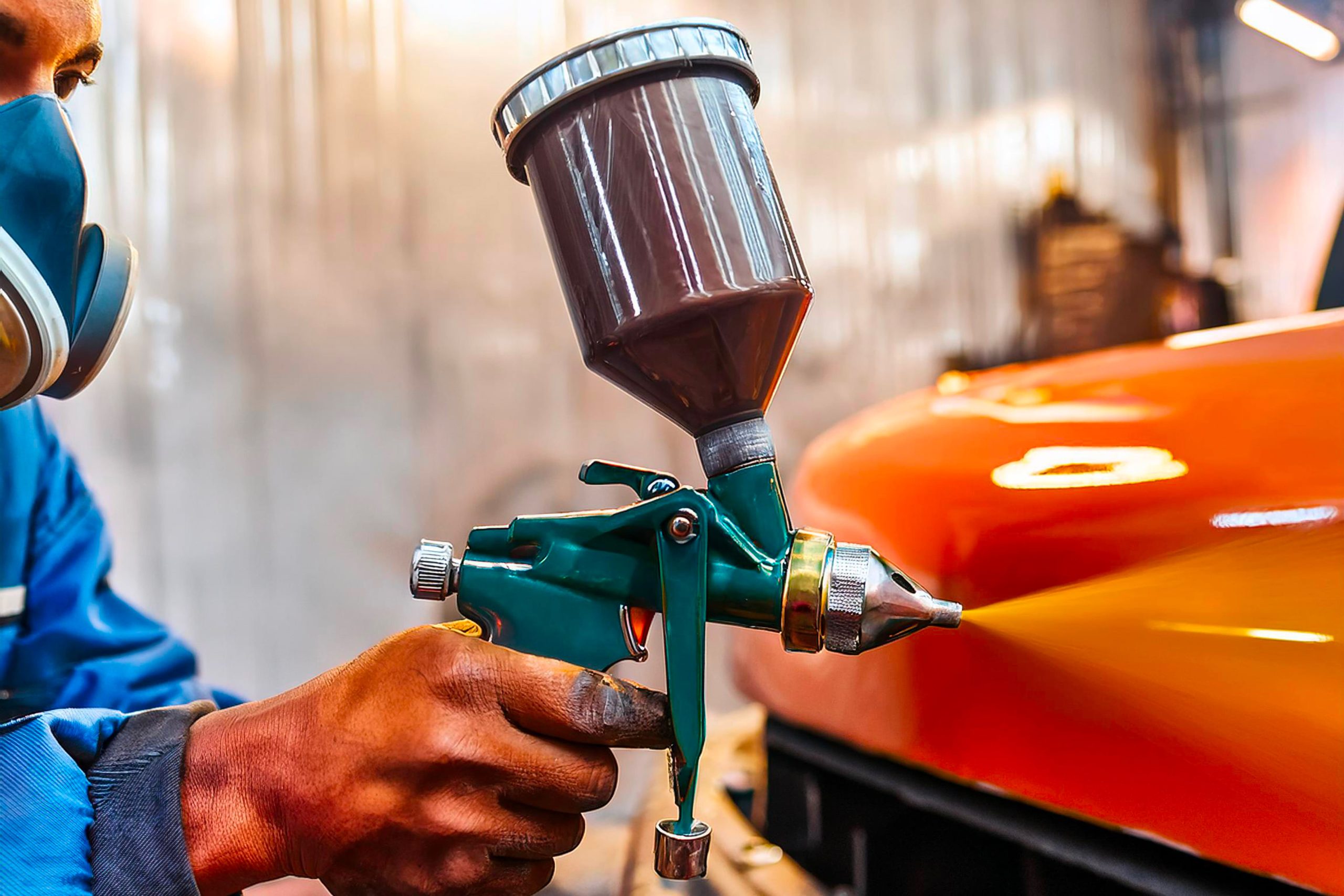
The USA automotive painting equipment market is entering a more practical phase of modernization, where efficiency matters just as much as finish quality. Vehicle manufacturers, Tier-1 suppliers, and collision repair workshops are all rethinking how paint gets applied, cured, and managed on the shop floor. This is not only about aesthetics. Paint systems today directly affect throughput, material loss, labor costs, and compliance with tightening environmental rules. Across the country, OEM paint shops are upgrading to more automated and controlled systems, while body shops are under pressure to deliver faster turnaround without compromising finish consistency. By 2030, the conversation will likely move beyond just “painting equipment” and toward integrated finishing systems built around precision, waste reduction, and shop productivity.
What’s Driving the Automotive Painting Equipment Market in the USA?
Automation in High-Volume Manufacturing
Large automotive plants in the U.S. are steadily replacing manual paint processes with robotic systems that offer tighter control over film thickness, spray angle, and paint transfer efficiency. For OEMs, even a small reduction in overspray can translate into major annual savings. Robotic applicators also help standardize finish quality across vehicle models, which matters more now as consumers increasingly notice visual imperfections on premium and EV models.
Collision Repair Shops Are Upgrading Faster
The aftermarket side of the business tells a different story. Body shops are not necessarily chasing full automation, but many are investing in better spray booths, prep stations, infrared curing systems, and compliant spray guns. Insurance-linked repair networks are pushing for faster cycle times, and shop owners know poor paint matching or uneven curing can quickly eat into margins. On the ground, many mid-sized collision centers are choosing equipment that balances cost with productivity rather than going for the most advanced setup.
Environmental Rules Are Forcing Equipment Changes
A less glamorous but very real driver is regulation. U.S. air quality rules around VOC emissions and hazardous pollutants have made older paint setups harder to justify. Shops using outdated ventilation or low-efficiency guns are finding that compliance is no longer optional. This has created a replacement cycle for enclosed booths, filtration systems, and safer paint handling equipment. In many cases, the upgrade decision is less about innovation and more about avoiding operational risk.
Government-Led and Regulatory Push
Federal and state-level environmental rules continue to influence buying decisions across the market. The EPA has long maintained standards around spray application methods, emissions control, and operator training, and states like California have historically gone even further. That matters because automotive painting remains one of the more regulated parts of vehicle production and repair. Better equipment improves compliance and efficiency, but it also raises the cost of staying in business. That trade-off is becoming more visible in the refinish segment, where many independent workshops are being pushed to modernize whether they are financially ready or not.
Market Competition
The U.S. market is moderately concentrated, with a handful of global equipment suppliers holding strong positions in both OEM and refinish channels. Companies such as Dürr AG, ABB Ltd., FANUC Corporation, and Global Finishing Solutions remain well known for robotic systems, paint booths, and application technologies. Buyers increasingly care about energy use, software integration, maintenance support, and downtime reduction. A paint booth that saves electricity or shortens cure time can be more valuable than one with a longer feature list.
High Capital and Compliance Costs
One of the biggest obstacles in this market is cost – and not just the purchase price. Installing robotic painting cells, advanced spray booths, or high-efficiency curing systems often requires layout changes, technician training, ventilation upgrades, and ongoing maintenance. For large OEM plants, that is manageable. For independent repair shops, it can be a serious barrier. A common challenge is that many smaller operators know they need better equipment, but the payback period can feel too long, especially in a market where labor shortages and energy bills are already squeezing margins.
Future Outlook
The market outlook through 2030 remains favorable, though not every segment will move at the same pace. OEM facilities are likely to continue adopting robotic and digitally monitored finishing systems, particularly as EV production expands and manufacturers seek tighter process control. Refinish shops will modernize more selectively, focusing on tools and systems that solve immediate workflow issues. Over time, the winning equipment suppliers will probably be those that make advanced systems easier to operate, maintain, and justify financially. The future of this market is not just cleaner paint application – it is smarter, leaner, and far more performance-driven.
Consultants at Nexdigm, in their latest publication, “USA Automotive Painting Equipment Market Outlook to 2030”, believe that businesses should prioritize automation-ready paint infrastructure, VOC-compliant equipment upgrades, and aftermarket-focused service networks to capture long-term opportunities in the evolving U.S. finishing ecosystem.
To take the next step, simply visit our Request a Consultation page and share your requirements with us.
Harsh Mittal
+91-8422857704