
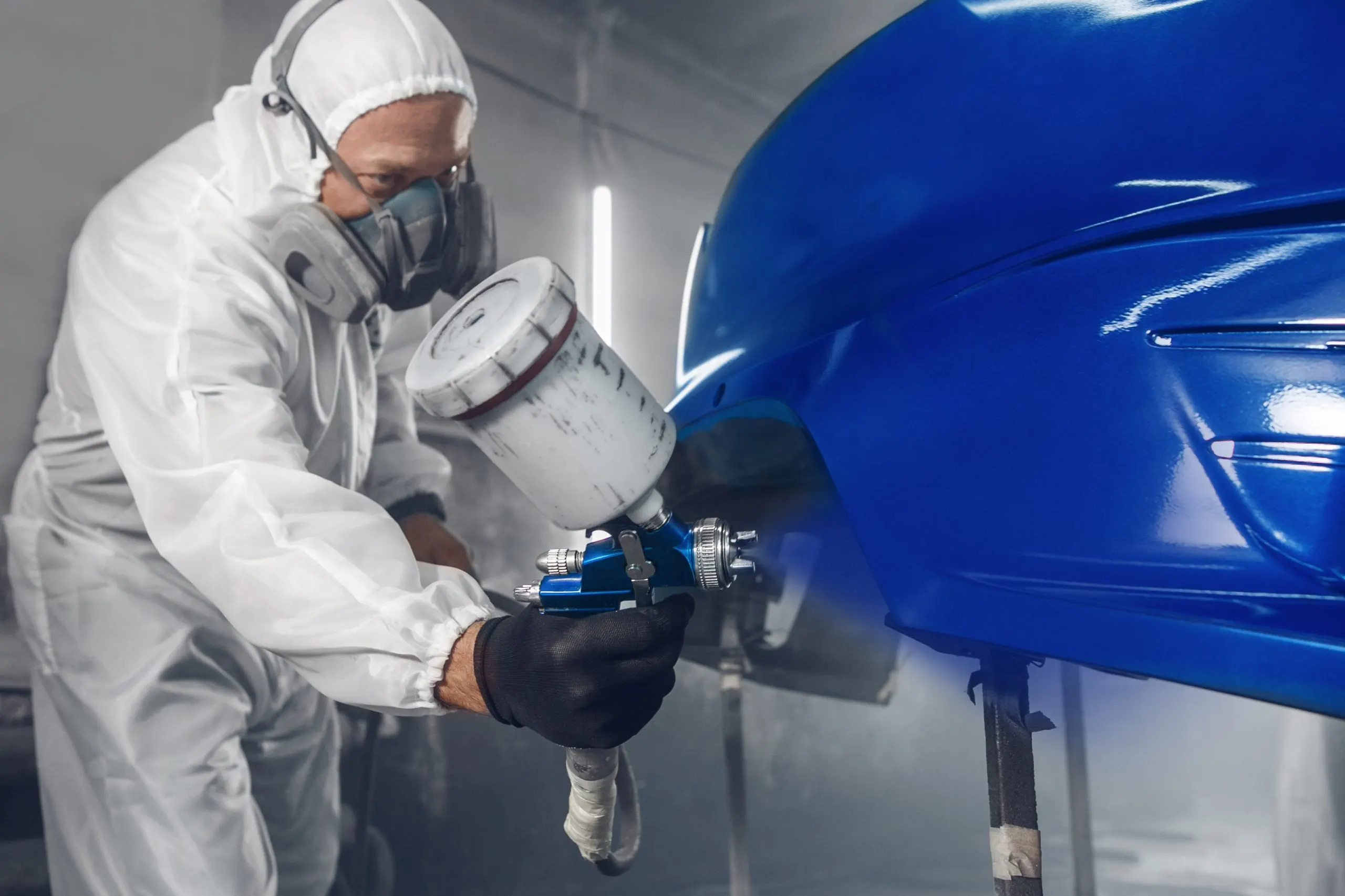
The USA automotive paints market is poised for steady growth through 2035, supported by ongoing demand for vehicle production and refinishing applications. Automotive paints serve critical functions beyond aesthetics, including corrosion protection, UV resistance, and durability, driving their adoption across both OEM (original equipment manufacturer) and aftermarket segments. While precise U.S.-specific forecasts vary, global and North America estimates suggest sustained expansion at moderate compound annual growth rates through the mid‑2030s, reflecting increasing automotive output, retrofitting trends, and a shift toward environmentally compliant coatings technology.
Key Factors Fueling Growth in the USA Automotive Paints Market
Rising Vehicle Production and Fleet Size
Growth in automobile manufacturing in the U.S. fuels demand for paints and coatings. High domestic vehicle output and substantial fleet size create consistent need across OEM and aftermarket refinishing segments. Robust production levels translate directly into greater volumes of paint application for both new vehicles and repair services.
Technological Advancements & Sustainability Trends
Innovation in low‑emission and waterborne coatings is a prominent driver in the automotive paints market. Regulatory pressures to lower volatile organic compound (VOC) emissions have accelerated the adoption of waterborne and other environmentally compliant formulations. These technologies not only reduce harmful emissions but also improve paint performance characteristics such as scratch resistance and longevity, appealing to both manufacturers and consumers focused on sustainability.
Customization & Aesthetic Demand
Consumer preferences for personalized vehicle finishes and advanced visual effects continue to influence market dynamics. Paints offering specialized textures, metallic effects, and enhanced durability attract higher margins and stimulate demand beyond basic coating needs. This trend extends into aftermarket paint and refinish segments, where older fleets undergo aesthetic upgrades and protective repainting.
Government Regulations and Initiatives Driving Innovation in Automotive Paints
U.S. environmental regulations, such as limits on VOC emissions, drive innovation and investment in eco-friendly automotive coatings. Federal and state‑level air quality standards incentivize manufacturers to develop low‑impact paint technologies, aligning industry growth with sustainability targets. Additionally, support for advanced manufacturing and materials research, including grant programs and emissions compliance initiatives, encourages the adoption of next‑generation coatings that enhance durability while reducing environmental footprint.
Key Players and Competitive Strategies in the Automotive Paints Market
The automotive paints sector in the United States is competitive, with major multinational coatings producers operating extensive manufacturing and distribution networks. Key players such as PPG Industries, AkzoNobel, BASF, Sherwin‑Williams, Axalta, and Nippon Paint compete on innovation, environmental performance, and product portfolio breadth. Strategic initiatives include R&D investment, partnerships with OEMs, and expansions of sustainable product lines to meet evolving market and regulatory demands.
Key Challenges Impacting Growth in the Automotive Paints Market
Raw Material Volatility & Cost Pressure
Fluctuations in the prices of key feedstocks—resins, pigments, solvents—create cost challenges for paint manufacturers. Volatile raw material markets can compress margins and disrupt production planning, affecting pricing and supply stability.
Regulatory and Compliance Complexity
Meeting stringent environmental and safety requirements increases product development costs and places pressure on traditional solvent‑based coatings, necessitating ongoing investment in compliant alternatives.
Future Outlook
The USA automotive paints market is expected to maintain a measured, upward trajectory through 2035, underpinned by continued vehicle production and aftermarket service demand. Expansion of environmentally compliant paint technologies and increased emphasis on paint performance will shape product portfolios. Adoption of digital tools and automated coating systems may enhance application efficiency and quality. Market prospects remain favorable, driven by regulatory support, innovation, and demand for premium finishes. Growth areas include advanced coatings for electric vehicles and smart surface solutions tailored to emerging automotive trends.
Consultants at Nexdigm, in their latest publication “USA Automotive Paints Market Outlook 2035,” analyze the sector by System Type (Passenger Vehicle Paints, Commercial Vehicle Paints, Electric Vehicle Paints, Specialty Vehicle Paints), By Platform Type (OEM (Original Equipment Manufacturer) Paints, Refinish Paints, Eco-Friendly Paints), and By Fitment Type (Factory Applied Paints, Aftermarket Applied Paints, Custom Applied Paints). Nexdigm suggests that businesses should stay abreast of technological advancements and regulatory changes to ensure they are aligned with evolving market demands. By continuously adopting sustainable practices, exploring innovative coatings technologies, and maintaining compliance with environmental standards, companies can stay competitive and cater to the increasing consumer preference for eco-friendly, high-performance automotive paints.
To take the next step, simply visit our Request a Consultation page and share your requirements with us.
Harsh Mittal
+91-8422857704