
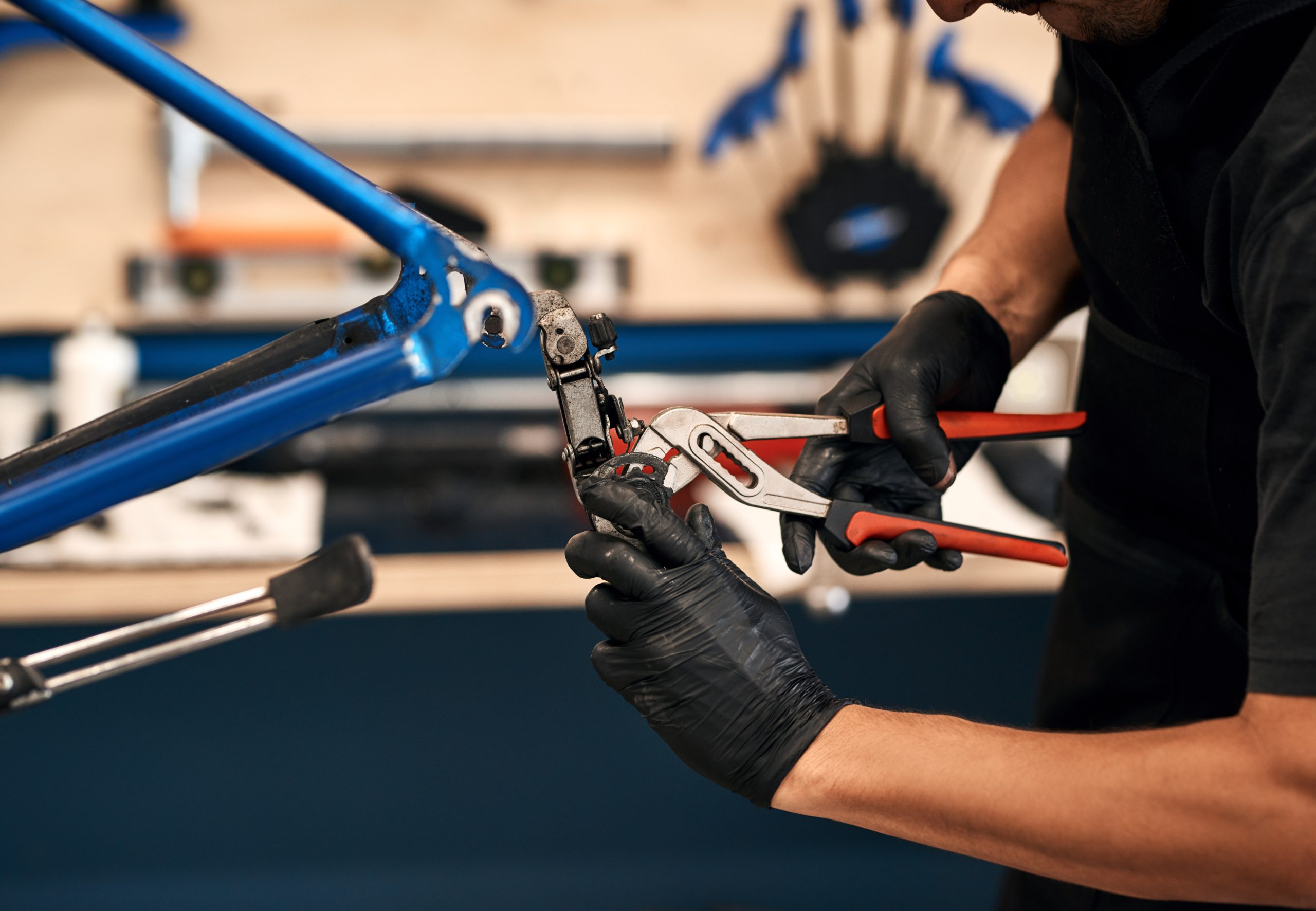
The U.S. automotive power tools market is set for steady growth through 2030, driven by rising demand from vehicle assembly plants, repair shops, and service centers. Tools like drills, impact wrenches, grinders, and ratchets are essential for both manufacturing and repairs. The broader U.S. power tools market is expected to be worth over USD 11.5 billion, with a significant portion coming from automotive applications. As vehicle production increases and the need for faster, more efficient services grows, power tools will continue to play a crucial role in the industry’s success in the years ahead.
Key Drivers Fueling Growth in the Automotive Power Tools Market
Growth in Automotive Aftermarket Services
As vehicles remain on the road longer, the need for regular maintenance and repairs is rising, driving the expansion of the U.S. automotive aftermarket. With more vehicles in use and increased miles driven, service centers and independent garages require efficient tools to keep up. Power tools help make repair work quicker and more precise, prompting workshops to invest in high-quality equipment. This trend, supported by technological advancements, is propelling demand for automotive power tools as the aftermarket ecosystem continues to grow.
Shift to Cordless Tools and Advanced Technology
A key trend shaping the market is the transition from corded to cordless power tools. The ongoing improvement in battery technology, particularly lithium-ion batteries, has made cordless tools more reliable, portable, and user-friendly for automotive applications. Industry experts expect the cordless tool segment to grow significantly through 2030, as technicians prefer the flexibility and high performance these tools offer. Manufacturers are also introducing innovations such as brushless motors and ergonomic designs, which improve both productivity and comfort in busy workshop environments.
Increased Focus on Productivity and Safety
Automotive workshops are increasingly adopting power tools that not only boost productivity but also prioritize worker safety. Features like adjustable torque settings and built-in safety guards reduce fatigue and minimize the risk of errors. As service centers work to meet efficiency goals and adhere to safety standards, power tools that combine performance and safety features remain a key investment.
U.S. Government Initiatives Impacting the Automotive Power Tools Market
While there are no direct subsidies for automotive power tools, broader U.S. industrial policies play a key role in benefiting the automotive and manufacturing sectors. Initiatives focused on advancing manufacturing processes, workforce training, and supply chain modernization help create a more robust environment for power tools to thrive. Federal and state programs designed to improve technical skills and boost industrial competitiveness indirectly foster greater adoption and use of power tools in automotive applications.
Competitive Forces Shaping the U.S. Automotive Power Tools Market
The U.S. automotive power tools market is a dynamic mix of well-established global companies and strong domestic players. Brands like Stanley Black & Decker, Robert Bosch, Makita, Techtronic Industries, and Milwaukee lead the way, offering a wide range of tools designed specifically for automotive applications. Success in this market hinges on innovation, product quality, battery life, and efficient distribution networks. Companies that focus on providing durable, high-performance tools along with exceptional after-sales service are the ones that maintain a strong foothold in this competitive space.
Challenges Impacting the Growth of Automotive Power Tools Market
Supply Chain Pressures and Costs
Tariffs on raw materials and ongoing supply chain disruptions have increased manufacturing costs for power tools. These added costs are often passed on to buyers, making tools more expensive for workshops and consumers.
Skilled Workforce Shortage
There is a notable shortage of trained automotive technicians capable of using advanced power tools effectively. This skills gap can limit adoption in some service environments. Efforts to expand training programs aim to address this challenge, but results will take time.
Future Outlook
The U.S. automotive power tools market is poised for steady growth through 2030, fueled by advancements in technology, rising vehicle production, and a booming aftermarket service industry. As demand for faster, more efficient tools increases, cordless power tools and enhanced battery performance will become the norm. Workshops will continue to prioritize safety and productivity, further driving tool adoption. With these trends, both professional technicians and DIY enthusiasts will see a broader range of high-performance, innovative tools available in the market.
Consultants at Nexdigm, in their latest publication USA Automotive Power Tools Market Outlook 2030, analyze the sector by Technology Architecture (Cordless Electric, Corded Electric, Pneumatic, Specialty Power Systems), by Application(Fastening and Removal, Cutting and Grinding, Finishing, Surface Preparation, Thermal and Specialty Applications).
Nexdigm suggests that businesses should focus on embracing innovation and enhancing product offerings to stay competitive in the U.S. automotive power tools market. By investing in advanced technologies, improving customer engagement, and forming strategic partnerships, companies can better meet the growing demand and capitalize on industry trends moving toward 2030.
To take the next step, simply visit our Request a Consultation page and share your requirements with us.
Harsh Mittal
+91-8422857704