
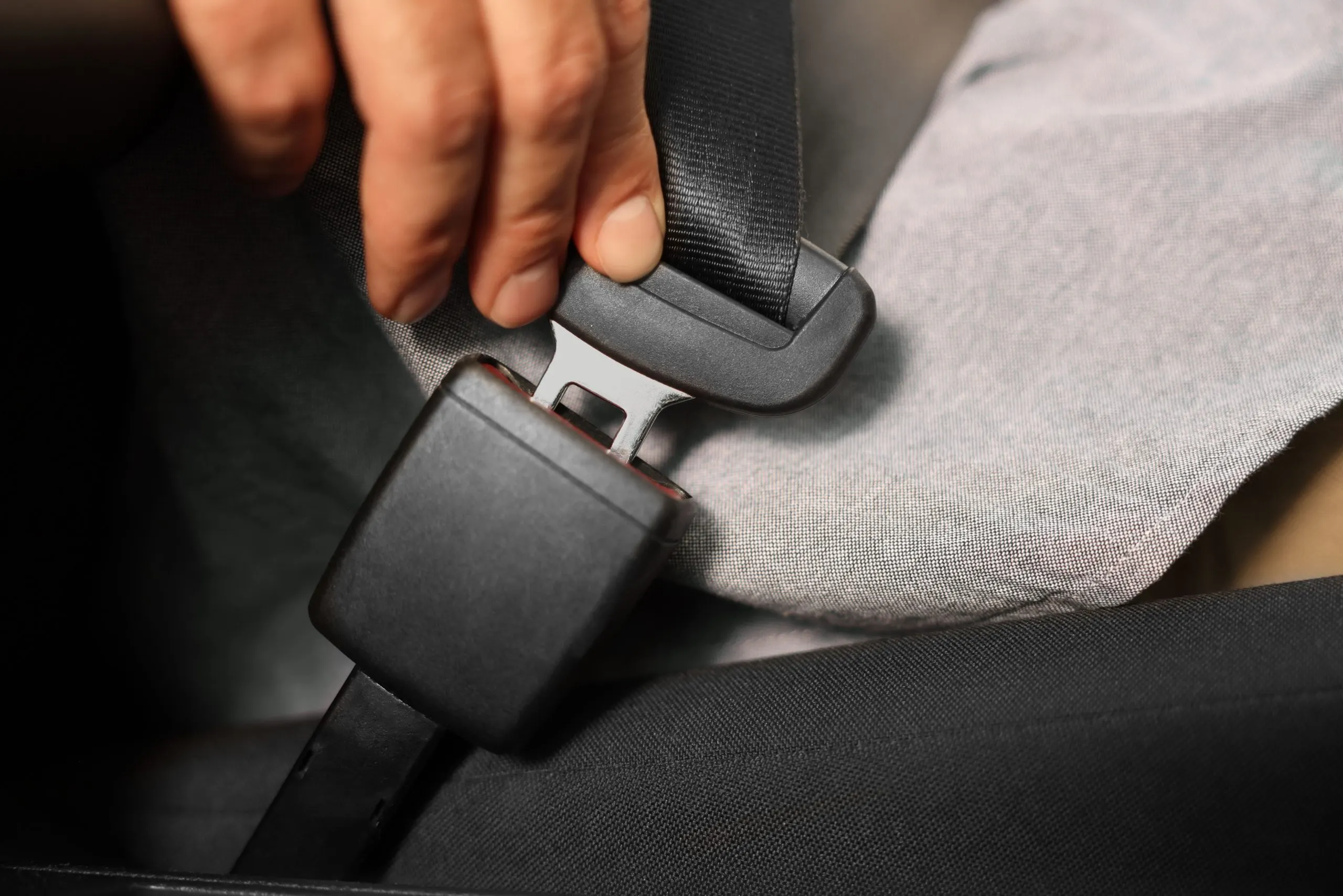
The USA seatbelts market continues to evolve alongside broader changes in the automotive industry, particularly around vehicle safety, electric mobility, and connected driving technologies. Seatbelts may appear to be a mature product category, but manufacturers are quietly redesigning these systems to work more intelligently with sensors, airbags, and driver-assistance features. As of 2026, seatbelt usage rates across the United States remain among the highest globally, largely due to strict enforcement laws and decades of public safety campaigns. At the same time, automakers are under pressure to make restraint systems lighter, smarter, and more adaptable to modern vehicle cabins. In practice, this means seatbelts are no longer viewed as standalone safety components but as part of a larger occupant protection network inside the vehicle.
What’s Driving the Seatbelts Market in the USA?
Stronger Vehicle Safety Standards and Consumer Awareness
Federal safety regulations continue to shape the direction of the market. Agencies such as the National Highway Traffic Safety Administration (NHTSA) regularly tighten crash safety benchmarks, leaving little room for automakers to compromise on restraint systems. Three-point seatbelts with pretensioners and load limiters are now standard even in mid-range passenger cars. Consumers are also paying closer attention to safety ratings before buying vehicles. Families, fleet operators, and even ride-sharing companies increasingly compare crash test scores across brands. This has pushed manufacturers to upgrade restraint technologies faster than many originally planned. In premium vehicles, seatbelt systems are already communicating with occupant sensors and airbags in real time to improve crash response.
Electric Vehicles Are Changing Cabin Design
The rapid expansion of electric vehicles has created new engineering challenges for seatbelt suppliers. EV interiors are being redesigned with more flexible seating layouts, minimalist dashboards, and advanced driver-assistance features. Traditional restraint systems do not always fit neatly into these new cabin architectures. Manufacturers are therefore experimenting with adaptive seatbelts that can automatically tighten based on driving conditions or passenger positioning. Some systems now work alongside cameras and biometric sensors to monitor occupant movement. While fully autonomous cars remain years away from mainstream adoption, suppliers are preparing early because safety regulations around self-driving vehicles will likely become much stricter once adoption scales.
Commercial Fleets and Logistics Expansion
The commercial vehicle segment has become an important source of demand, especially with the continued rise of e-commerce and regional delivery networks across the United States. Delivery vans, freight trucks, and passenger transport fleets spend long hours on the road, making driver safety a financial and operational concern for fleet owners. On the ground, many logistics operators are replacing older vehicles with newer models equipped with enhanced restraint technologies. Insurance costs and liability concerns are part of the reason. A common challenge for fleet companies is balancing safety upgrades with cost control, which explains why durable and low-maintenance seatbelt systems are gaining preference in the commercial segment.
Government-Led Safety Initiatives
Government-backed road safety campaigns continue to play a major role in maintaining high seatbelt adoption rates. Programs such as “Click It or Ticket” remain effective largely because enforcement is visible and penalties are real. In many states, drivers can still be pulled over solely for failing to wear a seatbelt. Federal Motor Vehicle Safety Standards (FMVSS) have also become more detailed over the years, particularly regarding crash performance and occupant protection. The result is a market where suppliers are under constant pressure to improve reliability while keeping systems lightweight and cost-efficient. That balance is not always easy, especially as vehicles become more electronically complex.
Market Competition
The USA seatbelts market is moderately consolidated, with global automotive safety suppliers accounting for a significant share of production. Competition is no longer limited to pricing or manufacturing scale alone. Suppliers are competing on software integration, sensor compatibility, and lightweight material innovation. Some automakers now prefer long-term partnerships with suppliers that can integrate restraint systems directly into broader vehicle safety platforms. This trend may gradually reduce opportunities for smaller component manufacturers that lack advanced engineering capabilities.
Integration Complexity in Modern Vehicles
One major issue facing the market is the growing complexity of vehicle electronics. Modern seatbelt systems must work seamlessly with airbags, occupant sensors, ADAS software, and vehicle control units. Even a small synchronization problem can affect crash performance. This has increased testing requirements and development costs for manufacturers. Semiconductor shortages over the last few years also exposed how vulnerable automotive supply chains can be, particularly for electronically integrated safety components.
Future Outlook
The USA seatbelts market will likely move toward smarter and more connected restraint technologies by 2030. Intelligent seatbelts capable of monitoring passenger movement, posture, or impact risk may become standard in higher-end vehicles before gradually moving into mass-market models. Commercial fleets are also expected to adopt more advanced systems as safety compliance becomes stricter.
Consultants at Nexdigm, in their latest publication “USA Seatbelts Market Outlook to 2030”, analyzed the market by Type (Two-Point Seatbelts, Three-Point Seatbelts, Five-Point Harnesses), By Vehicle Type (Passenger Vehicles, Commercial Vehicles, Electric Vehicles), By Technology (Pretensioners, Load Limiters, Smart Seatbelt Systems), and By Distribution Channel (OEMs, Aftermarket Suppliers). Nexdigm believes companies should focus on integrated safety technologies, reliable supplier partnerships, and lightweight materials as competition in automotive safety systems becomes more technology-driven over the next decade.
To take the next step, simply visit our Request a Consultation page and share your requirements with us.
Harsh Mittal
+91-8422857704