
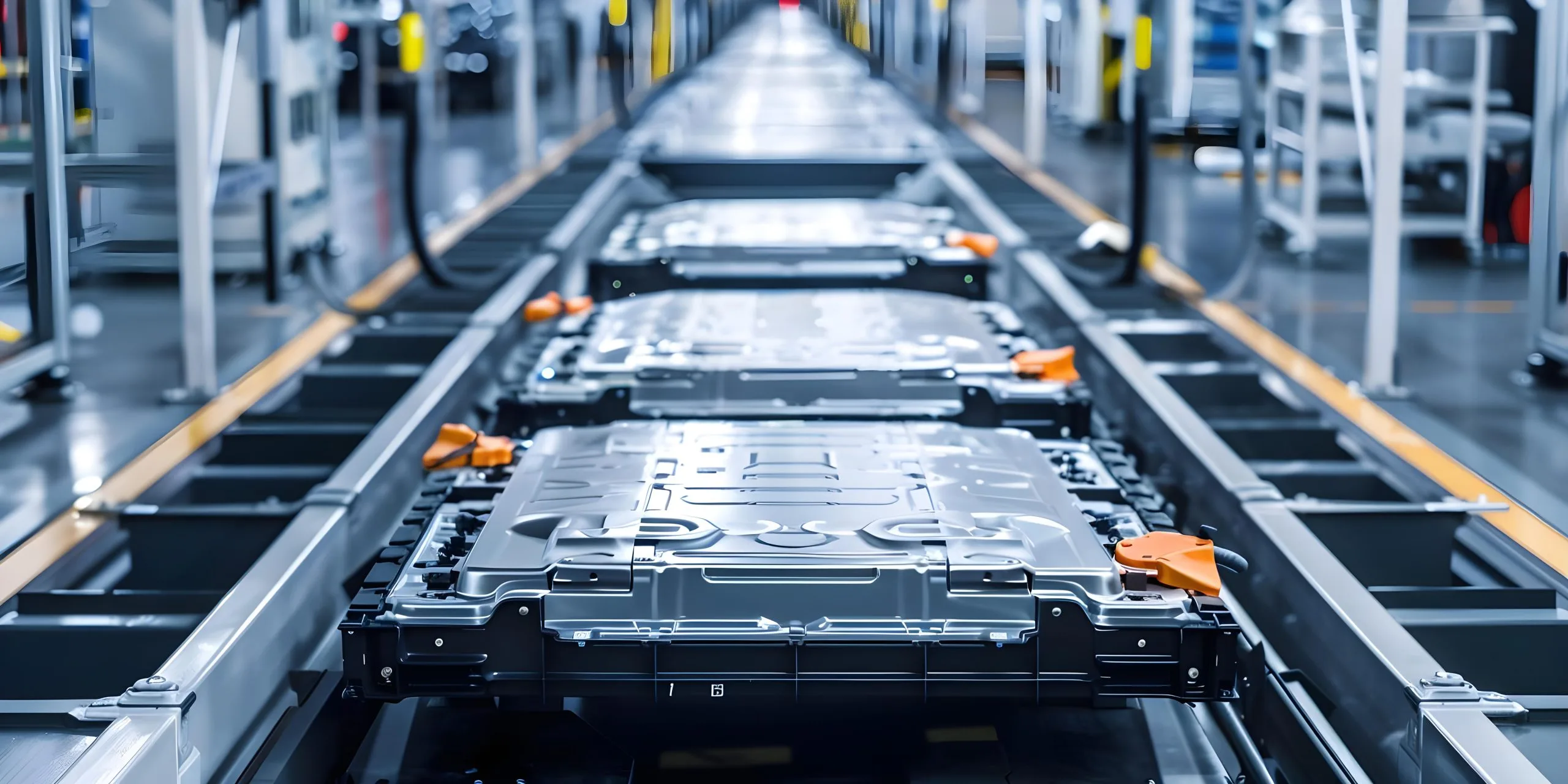
The battery packs market in the United States is growing quickly as demand rises across electric vehicles, renewable energy storage, and consumer electronics. Battery packs, which combine multiple cells into a single system, are essential for powering modern technologies. The U.S. battery market is growing rapidly. This growth reflects the increasing shift toward electrification across industries. It is also supported by rising investments in domestic battery production. As a result, battery packs are becoming a key part of the country’s energy and mobility transition. In addition, advancements in manufacturing technologies are improving production efficiency. Growing demand from industrial and commercial sectors is further strengthening market expansion. Overall, battery packs are emerging as a cornerstone of the evolving energy ecosystem.
What’s Driving Growth in the USA Battery Packs Market?
Rising Demand from Electric Vehicles
One of the biggest factors driving growth is the rapid adoption of electric vehicles across the U.S. As more consumers switch to EVs, the demand for high-performance battery packs continues to rise. Automakers are expanding their EV offerings to meet both regulatory requirements and customer expectations. Drivers are also looking for longer range and faster charging, which increases battery capacity needs. The growing availability of charging infrastructure is making EV ownership more practical. This combination of factors is creating strong and sustained demand for battery packs. At the same time, manufacturers are focusing on improving battery design and efficiency. EV growth will remain the most important driver for the market in the coming years.
Growing Role of Energy Storage Systems
Battery packs are also playing an increasingly important role in energy storage applications. As renewable energy sources like solar and wind become more common, the need for storage solutions is rising. Battery systems help store excess energy and ensure a steady power supply when needed. This is especially important for managing fluctuations in renewable energy generation. Utility companies are investing in large-scale storage projects to improve grid stability. Battery packs are also being used in commercial and industrial applications. This is creating new growth opportunities beyond the automotive sector. Energy storage is becoming a key pillar of the battery packs market. Residential energy storage systems are also gaining popularity among consumers. This is helping improve energy independence and resilience. As renewable adoption increases, storage demand will continue to rise significantly.
Advancements in Technology and Cost Efficiency
Technological improvements are making battery packs more efficient and affordable. Innovations in battery chemistry, thermal management, and control systems are improving performance. Manufacturers are working to reduce costs while increasing energy density and lifespan. At the same time, modular battery designs are allowing more flexibility across applications. These advancements are helping make battery packs more accessible to a wider range of users. Improved performance is also enhancing the overall user experience.
US Government Strategic Initiatives to enhance Battery Pack market Growth
Government policies in the U.S. are playing a key role in supporting the battery packs market. Programs such as the Inflation Reduction Act provide incentives for EV adoption and local battery manufacturing. These initiatives are encouraging companies to invest in domestic production and innovation. At the same time, environmental regulations are pushing the shift toward cleaner energy solutions. Government support is helping strengthen the overall battery ecosystem. Funding for research and development is also accelerating technological advancements. Infrastructure investments are improving EV charging and energy storage deployment. Overall, policy support is acting as a strong catalyst for market growth.
Competitive Environment of Battery pack Market of the US
The U.S. battery packs market is highly competitive, with both global and domestic companies involved. Key players include Tesla Inc., Panasonic Corporation, LG Energy Solution, and Samsung SDI. These companies are focused on expanding production capacity and improving battery performance. Partnerships and investments in large-scale manufacturing facilities are common strategies. Companies are also exploring vertical integration to control supply chains. Innovation in battery management systems is a key area of competition. This dynamic landscape is driving continuous technological progress.
Market Challenges Impacting Growth of US Battery Pack Industry
Supply Chain and Raw Material Constraints
One of the main challenges is the reliance on key materials like lithium, cobalt, and nickel. These materials are often sourced from limited regions, creating supply risks. Price fluctuations and geopolitical factors can impact availability and costs. Increasing global demand is also putting pressure on supply chains. Companies are working to diversify sourcing and develop alternatives. However, building resilient supply chains will take time.
High Costs and Recycling Challenges
Although costs are gradually decreasing, battery packs are still expensive to produce. Recycling and disposal also present environmental and technical challenges. Developing efficient recycling systems is essential for long-term sustainability. Scaling recycling infrastructure requires significant investment. Regulatory frameworks for battery disposal are still evolving. Addressing these challenges is critical for long-term market stability.
Future Outlook
The battery packs market in the U.S. is expected to grow steadily. Rising EV adoption and expanding energy storage needs will continue to drive demand. Advances in technology will improve performance while reducing costs over time. Domestic production is likely to increase, helping reduce reliance on imports. Battery packs will also play a key role in supporting renewable energy integration. Overall, the market will continue to expand as the U.S. moves toward a more electrified and sustainable future. In addition, innovation in next-generation battery technologies will reshape the competitive landscape. Increased investments in infrastructure and manufacturing will further accelerate growth. The market is expected to evolve rapidly alongside advancements in clean energy and mobility solutions.
Consultants at Nexdigm, in their latest publication USA Battery Packs Market Outlook to 2030, analyze the sector by System Type (Lithium Ion Battery, Solid State Battery, Lithium Iron Phosphate Battery, Hybrid Battery Pack Systems), by Platform Type (Passenger Electric Vehicle, Electric Commercial Vehicle, Energy Storage Systems, Consumer Electronics, Industrial Equipment).
Nexdigm suggests that businesses should adopt a systems-level approach to the battery packs market, focusing not just on production but on integration across the entire value chain. This includes investing in smart battery management systems, securing upstream raw material access, and building flexible manufacturing capabilities that can adapt to evolving technologies.
To take the next step, simply visit our Request a Consultation page and share your requirements with us.
Harsh Mittal
+91-8422857704