
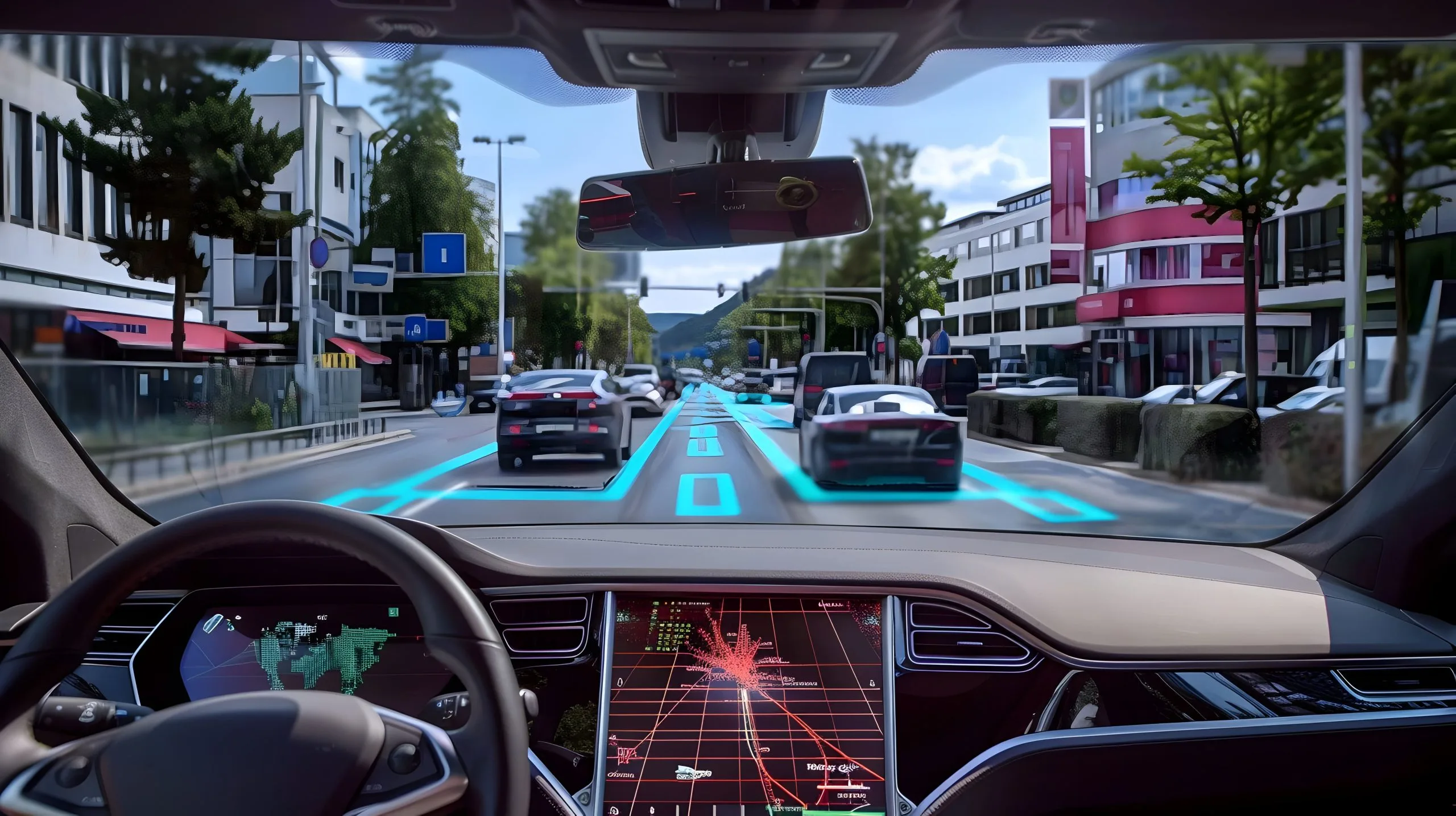
The USA automotive safety market has changed noticeably over the last few years, especially as drivers have become more conscious about accident prevention technologies. Blind spot detection systems, once limited to luxury cars, are now appearing in mid-range sedans, pickup trucks, and even compact SUVs. In 2026, many automakers in the United States treat blind spot monitoring as a core safety feature rather than an optional add-on. The shift is not only tied to consumer preference. Insurance costs, highway accident rates, and stricter safety assessments are also influencing adoption. At the same time, advances in radar sensors and camera technology have made these systems more accurate and slightly more affordable than they were five years ago.
What’s Driving the Blind Spot Detection Systems Market in the USA?
Consumer Preference for Everyday Safety Features
American buyers are paying closer attention to practical safety technologies that make daily driving easier. Blind spot detection systems reduce the stress of highway merging and lane changes, particularly in crowded cities such as Los Angeles, Houston, and Chicago where dense traffic conditions leave little room for driver error. Pickup trucks and large SUVs benefit even more because of their wider blind zones. In practice, many drivers who use these systems for the first time become reluctant to switch back to vehicles without them. That behavioral shift matters because it gradually turns premium safety features into mainstream expectations.
Electric Vehicles and ADAS Integration
The rise of electric vehicles has quietly accelerated adoption of blind spot monitoring technology. EV manufacturers tend to pack vehicles with advanced driver assistance features to justify premium pricing and differentiate themselves in a crowded market. Tesla, Ford, Rivian, and General Motors have all expanded ADAS capabilities across newer models, combining blind spot monitoring with lane centering and collision avoidance systems. A common challenge, though, is balancing sophisticated software with real-world reliability. Drivers still complain about false alerts during heavy rain, construction zones, or tight urban roads. Even so, manufacturers continue refining sensor accuracy because safety performance now plays a direct role in brand reputation.
Growing Commercial Vehicle and Fleet Demand
Blind spot systems are no longer limited to passenger cars. Logistics companies, delivery operators, and public transport fleets are adopting these technologies to reduce accident-related costs. For commercial vehicles operating in busy urban corridors, side-collision risks remain a persistent issue. Fleet managers increasingly view blind spot monitoring as a practical investment rather than an expensive extra. Insurance providers have also started rewarding fleets equipped with advanced safety systems through lower premiums in some regions. On the ground, this has encouraged adoption among last-mile delivery operators handling dense city routes every day.
Government Regulations and Safety Initiatives
Federal safety agencies in the United States continue pushing automakers toward stronger accident prevention standards. The National Highway Traffic Safety Administration has consistently highlighted the role of ADAS technologies in reducing crash severity and improving driver awareness. Safety ratings now influence purchasing decisions far more than they did a decade ago, particularly among families and commercial buyers. Some automakers have responded by making blind spot monitoring standard across larger portions of their vehicle lineup rather than reserving it for higher trims. That move reflects competitive pressure as much as regulatory influence.
Market Competition and Technological Innovation
The market remains highly competitive, with suppliers racing to improve sensor precision and software response times. Companies continue investing heavily in radar and camera technologies. Some firms are moving toward sensor fusion systems that combine multiple data sources to improve reliability in poor weather and low-visibility conditions. The competition is intense because automakers want systems that are accurate without becoming intrusive or overly sensitive. Drivers tend to disable alerts quickly when warnings feel excessive.
High Costs and Calibration Complexity
One persistent issue in the market involves repair and calibration expenses. Blind spot monitoring systems rely on sensors embedded in bumpers, mirrors, and side panels, meaning even a relatively small collision can lead to expensive recalibration work. This becomes more noticeable in entry-level vehicle segments where manufacturers still struggle to keep prices competitive. Independent repair shops also face difficulties because advanced calibration equipment requires specialized training and software access. In some cases, consumers underestimate long-term maintenance costs attached to ADAS-equipped vehicles.
Future Outlook
The USA blind spot detection systems market will likely move from optional adoption toward near-standard installation across most vehicle categories by 2030. Passenger vehicles may remain the largest segment, but commercial fleets are likely to contribute substantial demand as road safety regulations tighten further. Improvements in AI-based object recognition and real-time sensor processing should reduce false warnings and improve driving confidence. There is also a broader shift underway where drivers increasingly expect vehicles to actively assist with situational awareness rather than simply react during emergencies.
Consultants at Nexdigm, in their latest publication “USA Blind Spot Detection Systems Market Outlook to 2030”, analyzed the market by Technology Type (Radar-Based Systems, Camera-Based Systems, Ultrasonic Sensor Systems), By Vehicle Type (Passenger Cars, Commercial Vehicles, Electric Vehicles), By Sales Channel (OEMs and Aftermarket), and By Component (Sensors, Control Modules, Displays and Alerts). Nexdigm believes businesses should focus on cost-efficient ADAS integration, stronger aftermarket calibration support, and AI-enhanced sensing technologies to remain competitive as vehicle safety standards continue evolving across the United States.
To take the next step, simply visit our Request a Consultation page and share your requirements with us.
Harsh Mittal
+91-8422857704