
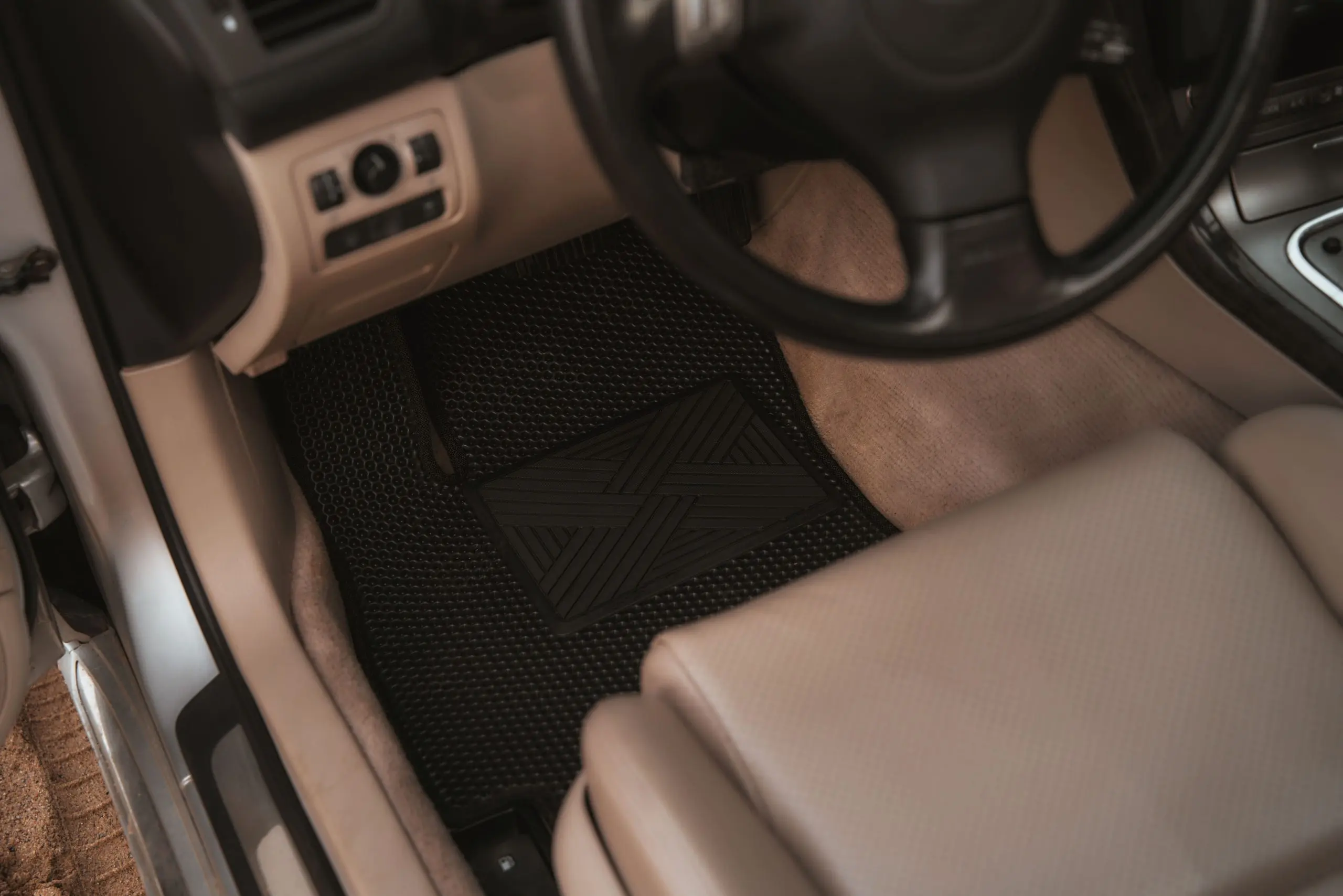
The market for car carpets and floor mats in the United States rarely gets headline attention, yet it quietly reflects how vehicle ownership habits are evolving. Interior protection products have moved beyond being basic accessories; they now sit at the intersection of functionality, hygiene, and personal taste. By 2025, both automakers and aftermarket brands have started treating these components as part of the overall driving experience rather than an afterthought. A closer look shows that demand comes from a mix of practical needs and lifestyle choices. From suburban families dealing with muddy shoes to ride-share drivers trying to maintain clean cabins, floor mats have become a small but important purchase decision. With electric vehicles entering the mainstream and consumers holding on to cars longer, this category is carving out steady, if not spectacular, growth potential through 2030.
What’s Driving the Car Carpets and Floor Mats Market in the USA?
Shift Toward Personalization and Premium Interiors
Car owners in the US rarely settle for factory-standard interiors anymore. Even mid-range vehicle buyers often upgrade to custom-fit mats within weeks of purchase. It is not only about aesthetics. People want materials that feel durable underfoot and match their lifestyle, whether that means plush carpeting for comfort or rugged liners for daily wear. Brands like WeatherTech have built their reputation on precision-fit products that appeal to buyers who care about detail. In practice, customization has become one of the easiest ways for consumers to “upgrade” their cars without spending heavily.
SUV and Pickup Culture Shaping Product Preferences
The dominance of SUVs and pickup trucks in the US has subtly reshaped this market. These vehicles are often used in varied conditions, from construction sites to weekend road trips. As a result, buyers lean toward heavy-duty mats that can handle dirt, snow, and spills without much effort. Rubber and thermoplastic options have gained popularity here, not because they look better, but because they make life easier. A quick rinse and the job is done. This practicality often outweighs visual appeal, especially for utility-focused vehicle owners.
Aftermarket Expansion and Online Buying Behavior
One noticeable shift over the past few years has been how people purchase these products. Instead of relying on dealerships, many consumers now browse online platforms for better pricing and wider selection. This has opened the door for brands like Husky Liners to reach customers directly. On the ground, e-commerce has changed expectations. Buyers now look for exact vehicle compatibility, fast delivery, and easy returns. The convenience factor alone has helped the aftermarket segment maintain strong momentum.
Government Regulations and Sustainability Trends
Sustainability has started to influence even niche automotive components. Floor mats may not seem like an environmental concern at first glance, but material sourcing and recyclability are gaining attention. Manufacturers are experimenting with recycled rubber and low-emission production methods to meet regulatory standards and consumer expectations. Electric vehicles add another layer to this conversation. Since EV makers focus heavily on efficiency, lightweight materials are preferred wherever possible. This creates a balancing act between durability and weight reduction. At the same time, interior air quality standards are pushing companies toward low-VOC materials, particularly in premium segments where buyers are more conscious of cabin comfort.
Market Competition
Competition in this space feels layered. Established companies such as 3M Company bring material expertise, while specialists like Auto Custom Carpets and Lloyd Mats focus on fit and finish. What sets players apart is not just pricing but attention to detail. Laser-measured designs, anti-slip backing, and stain resistance have become standard expectations rather than premium features. Some brands lean into luxury, others into durability. There is room for both, though it leaves little margin for mediocre products.
Pressure from Low-Cost Imports and Material Costs
A common challenge for domestic manufacturers comes from two directions at once. On one side, fluctuating prices of rubber and synthetic fibers make cost planning difficult. On the other, inexpensive imports continue to flood the lower end of the market. In practice, this creates a squeeze. Companies that prioritize quality struggle to match cheaper alternatives, while budget players compete in a crowded and price-sensitive segment. Finding the right balance between cost and durability remains a persistent issue.
Future Outlook
Looking ahead, the market is likely to evolve quietly rather than dramatically. Innovation will focus on materials and fit rather than radical product changes. Custom-fit, easy-to-clean designs are expected to dominate shelves, especially as consumers keep their vehicles longer and place more value on maintenance. Electric vehicles and shared mobility fleets could bring subtle shifts in demand. Fleet operators, for instance, may prioritize durability and ease of replacement over aesthetics. Meanwhile, environmentally conscious buyers may push brands toward recyclable or biodegradable materials.
Consultants at Nexdigm, in their study “USA Car Carpets and Floor Mats Market Outlook to 2030,” highlight segmentation by material, vehicle type, and sales channel. Their view leans toward practical strategies: invest in sustainable materials, refine customization capabilities, and strengthen online distribution. In a market like this, small improvements tend to matter more than bold moves.
To take the next step, simply visit our Request a Consultation page and share your requirements with us.
Harsh Mittal
+91-8422857704