
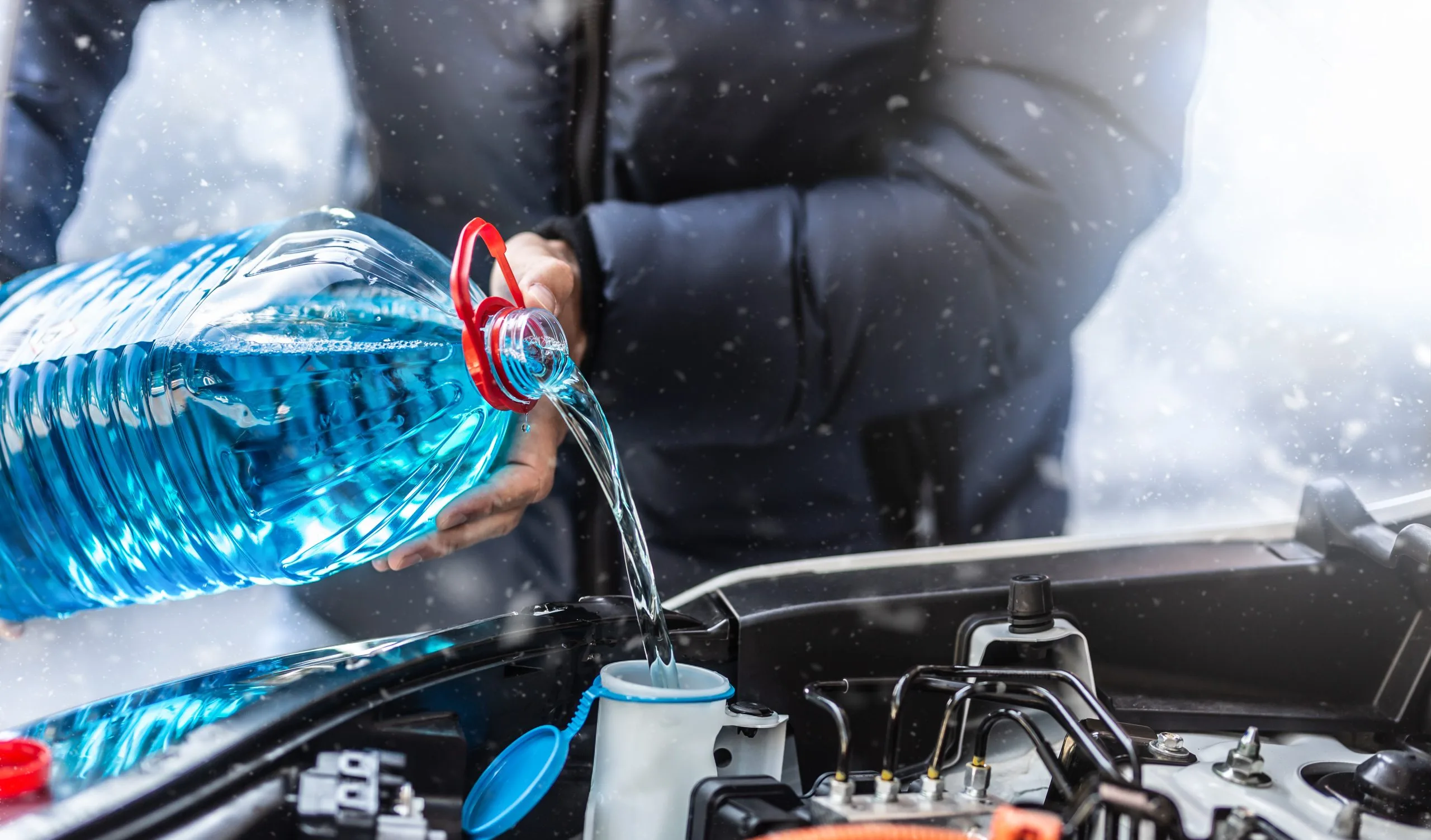
The United States coolants market encompasses a range of thermal management fluids used in automotive engines, industrial machinery, HVAC systems, and emerging electric vehicle (EV) applications. These fluids—often glycol‑based—are critical for preventing overheating and corrosion and for maintaining operational efficiency across systems. In 2024, the U.S. automotive coolant segment alone held a valuation more than USD 1.28 billion and is forecast to grow steadily through 2035 as vehicle production, maintenance demand, and technological requirements evolve.
Key Drivers Fueling the Growth of the U.S. Coolants Market
Growth in Vehicle Production and Ownership
The expansion of the U.S. vehicle fleet and ongoing replacement cycles contribute to sustained coolant demand. Increased production rates of both passenger and commercial vehicles require advanced coolant solutions capable of managing thermal loads under diverse operating conditions. As manufacturing and sales rebound from global supply chain disruptions, coolant consumption expands proportionally.
Transition to Advanced and EV Thermal Management
Emerging vehicle technologies, particularly hybrid and electric vehicles, are reshaping coolant requirements. EVs demand specialized coolants for battery and powertrain thermal regulation, creating new product segments beyond traditional engine antifreeze. This shift expands the market’s scope and drives innovation in formulations tailored to electrical systems.
Aftermarket Demand and Maintenance Awareness
Routine servicing and increased average vehicle age in the U.S. boost aftermarket sales. Owners and fleet operators are placing greater emphasis on regular maintenance, including coolant replacement for performance and longevity. Online retail channels and service networks further support availability and consumer access.
Government Regulations and Initiatives Driving the Coolants Market
The U.S. government plays a key role in promoting eco-friendly coolant solutions through regulations aimed at reducing harmful emissions and encouraging safer chemical formulations. Initiatives by the Environmental Protection Agency (EPA) are driving the transition to environmentally conscious coolants. Additionally, federal and state policies push for the development of sustainable, non-toxic coolants, encouraging manufacturers to innovate while adhering to environmental standards, all while meeting the growing demand for greener automotive solutions.
Overview of Key Players and Competitive Dynamics in the Coolants Market
The U.S. coolant market is highly competitive, with industry giants like Valvoline, Prestone, and Shell leading the way. These companies differentiate themselves by offering innovative, high-quality coolant products designed for various vehicle types, including electric vehicles. OEM partnerships and extensive service networks allow these brands to capture a broad consumer base, from individual vehicle owners to large fleet operators. Companies are also focusing on sustainability, offering more eco-friendly solutions to meet consumer and regulatory demands.
Key Challenges Affecting the Growth of the U.S. Coolants Market
Cost and Raw Material Volatility
Fluctuations in prices for base chemicals such as ethylene glycol and propylene glycol can drive production cost variability. These raw material swings make pricing strategies more complex and can compress margins for manufacturers who are unable to pass cost increases through to end users.
Regulatory Compliance Complexity
While environmental regulations support safer product innovation, compliance can raise development costs and extend time‑to‑market for new formulations. Navigating differing federal and state requirements adds a regulatory burden for producers and may slow adoption rates for novel coolants.
Future Outlook
The U.S. coolants market is projected to expand through 2035, with estimates suggesting growth from approximately USD 1.28 billion in 2024 to around USD 1.87 billion by 2035 (CAGR ~3.5%). Continued automotive production, rising EV adoption, and demand for environmentally compliant fluids will underpin market momentum. Innovation in high‑performance coolants for next‑generation engines and battery systems will be a central focus for manufacturers. Opportunities also lie in services such as coolant recycling and digital monitoring integration for predictive maintenance, which could further differentiate market offerings by 2035.
Consultants at Nexdigm, in their latest publication “USA Coolants Market Outlook 2035,” analyze the sector by System Type (Automotive Coolants, Industrial Coolants, HVAC Coolants, Electronic Coolants), By Platform Type (Automotive Platforms, Industrial Equipment Platforms, HVAC Systems Platforms), and By Fitment Type (OEM Coolants, Aftermarket Coolants, Pre-mixed Coolants). Nexdigm suggests that businesses should focus on aligning their strategies with evolving market trends, especially in the context of sustainability and technological advancements. By adopting environmentally friendly practices and embracing innovation in products—such as advanced coolants for electric and hybrid vehicles—companies can position themselves as leaders in the industry. Moreover, staying compliant with governmental regulations and keeping an eye on raw material costs will allow businesses to navigate market challenges effectively and ensure long-term growth in the competitive landscape.
To take the next step, simply visit our Request a Consultation page and share your requirements with us.
Harsh Mittal
+91-8422857704