
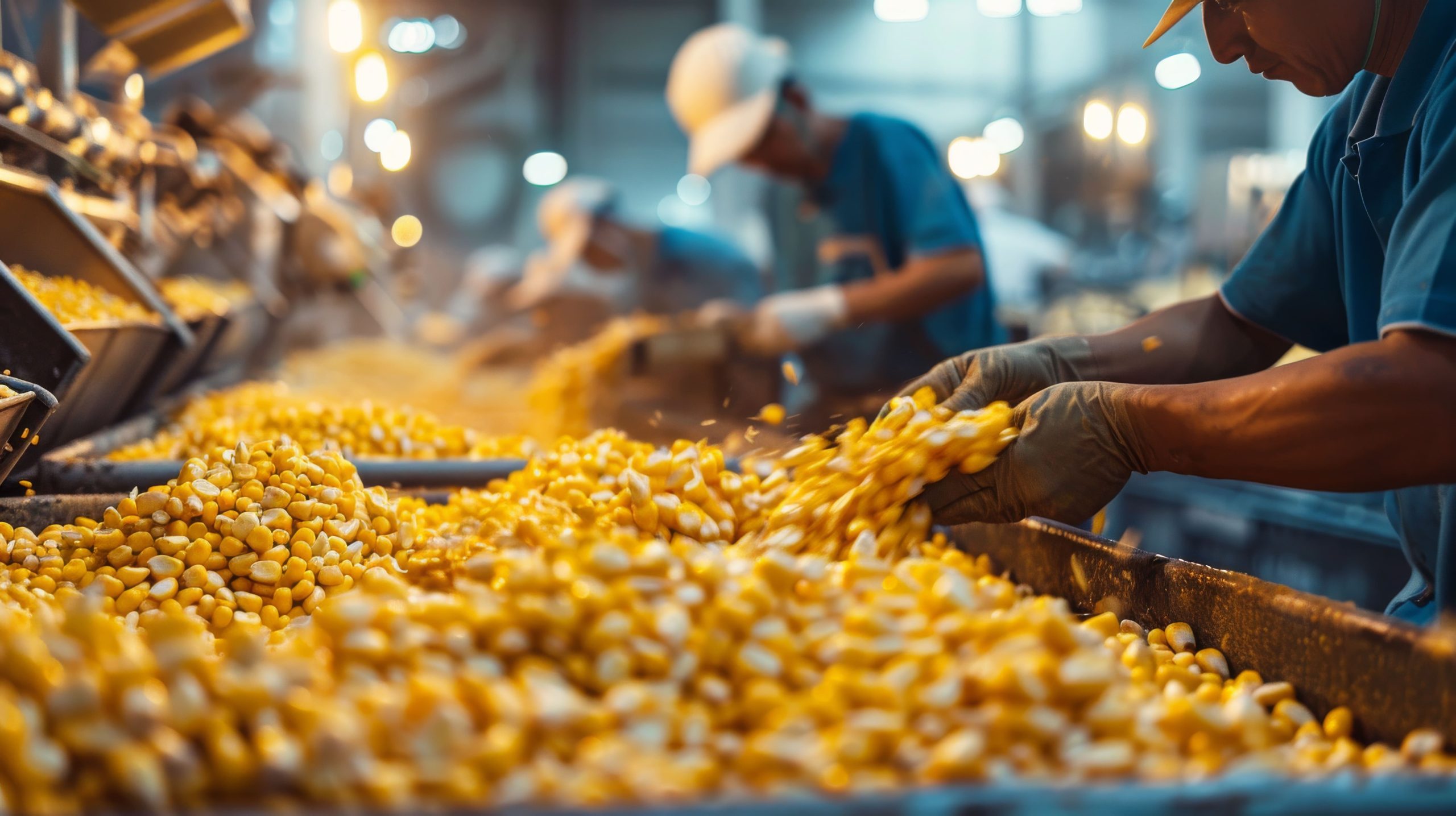
The USA corn seed market is experiencing a steady transformation as farmers focus on improving yields, managing climate risks, and optimizing input costs amid volatile commodity prices. As of 2025, the US remained the world’s largest producer and exporter of corn, supported by large-scale commercial farming across the Midwest Corn Belt. The market is characterized by high penetration of hybrid and genetically modified (GM) seeds, strong R&D investments by multinational seed companies, and widespread adoption of precision agriculture technologies. However, rising seed costs, weather variability, and regulatory scrutiny around biotechnology continue to shape purchasing decisions. The growing need for drought-tolerant, pest-resistant, and high-yielding seed varieties is positioning the US corn seed market for sustained growth through 2035.
What’s Driving the Corn Seed Market in the USA?
Advancement in Hybrid and Biotech Seed Technologies
Continuous innovation in hybrid and genetically modified corn seeds is a key driver of market growth. Seed companies are introducing stacked-trait hybrids combining herbicide tolerance, insect resistance, and improved stress tolerance. These innovations are helping farmers mitigate yield losses from pests, weeds, and extreme weather events. As climate variability increases across the Corn Belt, demand for drought-tolerant and heat-resilient corn varieties is rising, particularly in states such as Iowa, Illinois, Nebraska, and Kansas.
Rising Adoption of Precision Agriculture and Data-Driven Farming
The integration of precision agriculture tools such as variable rate seeding, GPS-guided planters, and farm management software is influencing seed selection strategies. Farmers are increasingly selecting customized seed traits based on soil health, moisture profiles, and yield history. This data-driven approach is supporting demand for premium seed varieties that can deliver consistent performance across variable field conditions, enhancing return on investment for large-scale commercial farms.
Biofuel Demand and Feed Industry Requirements
The US bioethanol industry continues to be a major consumer of corn, supporting stable acreage under corn cultivation. Alongside ethanol, strong demand from the livestock and poultry feed industry is sustaining seed demand volumes. As feed efficiency and starch content become more critical for end-users, seed developers are focusing on trait improvements that enhance grain quality and processing performance. This alignment between end-use demand and seed trait development is strengthening long-term market fundamentals.
Government-Led Initiatives and Policy Environment
Federal agricultural programs and crop insurance schemes continue to support farmer income stability, indirectly encouraging investment in high-quality seed varieties. Conservation programs promoting sustainable farming practices are also influencing seed choices, with increased interest in hybrids that support reduced tillage and improved soil health. In addition, ongoing investments in agricultural R&D and public–private partnerships with land-grant universities are accelerating the development of climate-resilient corn genetics tailored to regional growing conditions.
Market Competition and Industry Landscape
The US corn seed market remains highly consolidated, with a few multinational players dominating commercial sales. Major companies continue to invest heavily in biotechnology, trait stacking, and digital agronomy platforms to strengthen farmer loyalty and differentiate product portfolios. Strategic collaborations with agri-tech startups and data analytics providers are becoming increasingly common to enhance on-farm decision support. Private-label and regional seed brands are maintaining niche positions by offering locally adapted hybrids and competitive pricing, particularly in price-sensitive rural markets.
High Seed Costs and Farmer Margin Pressures
The cost of premium hybrid and biotech corn seeds continues to rise, tightening farmer margins, particularly during periods of weak corn prices. Smaller and mid-sized farms are more vulnerable to input cost inflation, resulting in more selective adoption of high-end seed traits. This cost pressure is pushing growers to scrutinize return on investment more closely, compare performance across brands, and diversify seed sourcing strategies to balance productivity gains with affordability.
Future Outlook
The US corn seed market is expected to witness stable growth through 2035, driven by continued hybrid penetration, increasing demand for climate-resilient traits, and deeper integration of digital agronomy into seed selection decisions. By 2035, a significant share of commercial corn acreage is expected to adopt next-generation hybrids featuring improved nitrogen-use efficiency, enhanced drought tolerance, and multi-pest resistance. The convergence of seed genetics, AI-driven agronomy, and precision farming tools will further personalize seed choices at the farm level, improving productivity and sustainability outcomes.
Consultants at Nexdigm, in their latest publication “USA Corn Seed Market Outlook to 2035”, analyzed the market by Trait Type (Conventional, Hybrid, Genetically Modified), By End Use (Animal Feed, Bioethanol, Food Processing), and By Distribution Channel (Direct Sales to Farms, Agri-Input Retailers, Cooperatives, Digital Platforms). Nexdigm believes that businesses should prioritize region-specific hybrid development, investment in climate-resilient genetics, and integration of digital agronomy tools as key differentiators, while strengthening farmer education and after-sales agronomic support to drive long-term market share growth.
To take the next step, simply visit our Request a Consultation page and share your requirements with us.
Harsh Mittal
+91-8422857704