
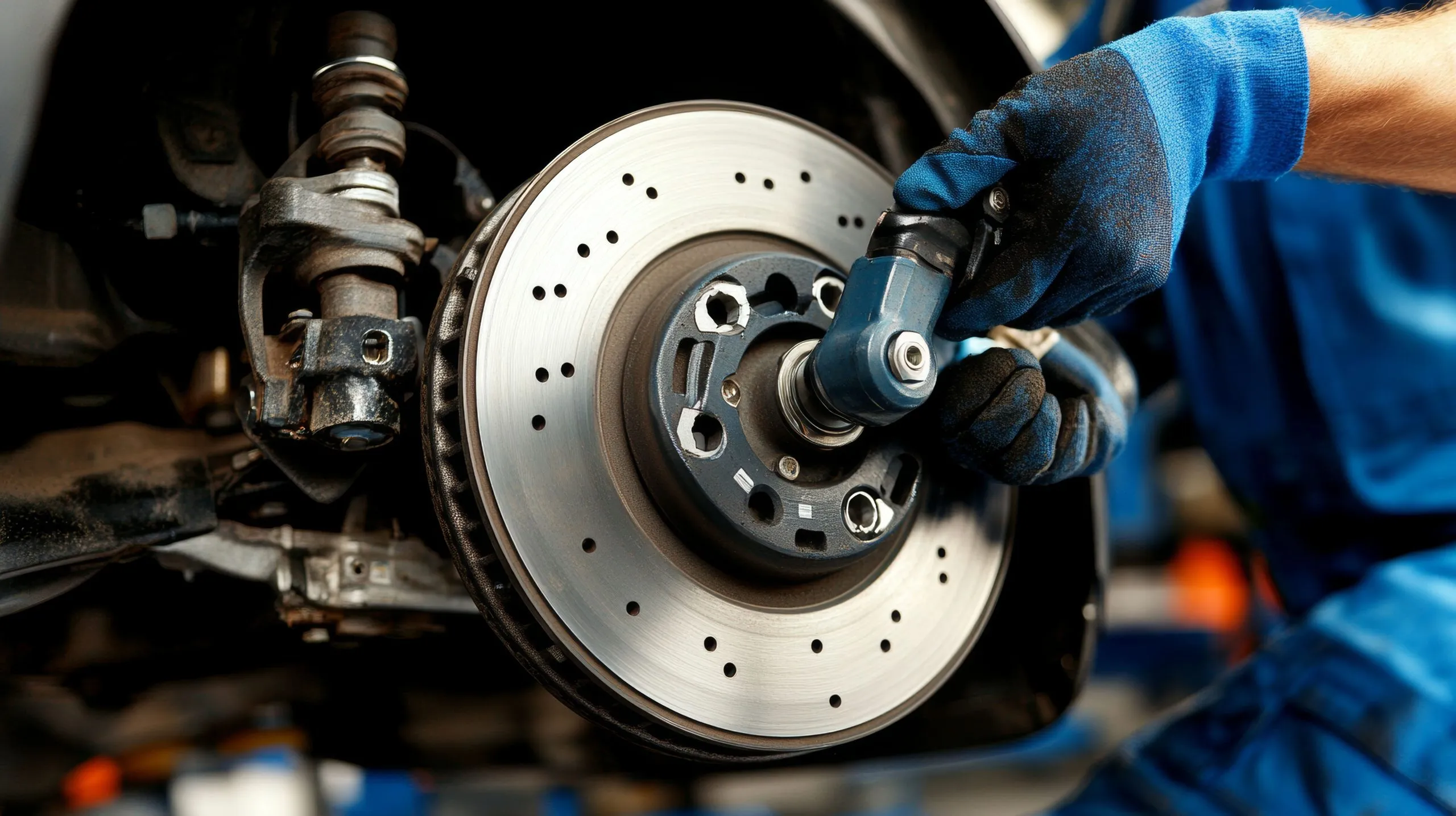
The USA automotive braking industry has changed considerably over the last decade, largely because vehicles themselves have changed. Pickup trucks have become heavier, SUVs now dominate sales charts, and electric vehicles are entering mainstream roads faster than many suppliers originally anticipated. In this environment, disc brakes have moved from being a premium feature to a standard requirement across most vehicle categories. Their ability to handle heat, deliver stronger stopping performance, and maintain consistency in demanding driving conditions makes them difficult to replace. As of 2026, disc brake systems account for a significant share of braking components fitted in new passenger cars and light commercial vehicles across the United States. Demand from the replacement market remains equally important. American drivers keep vehicles longer than before, and brake wear naturally creates recurring business for aftermarket suppliers. What makes the market interesting is that innovation is no longer limited to luxury brands. Even mid-range vehicles are now equipped with advanced braking technologies once reserved for high-performance models.
What’s Driving the Disc Brakes Market in the USA?
Safety Standards and Consumer Expectations
Vehicle safety regulations in the United States have become tougher over time, but consumer expectations have changed even faster. Buyers today pay close attention to braking responsiveness, especially in larger vehicles such as SUVs and pickup trucks. Disc brakes perform better under repeated braking situations, particularly during highway driving or stop-and-go urban traffic.On the ground, many automakers have little flexibility here. Customers now expect shorter stopping distances and smoother control as standard features, not optional upgrades. This shift has quietly pushed manufacturers to adopt higher-quality braking systems across broader product lines.
Electric Vehicles Are Changing Brake Design
Electric vehicles are creating a different kind of demand within the braking industry. EVs are heavier because of battery packs, which places extra pressure on braking systems despite the use of regenerative braking technology. In practice, regenerative systems reduce wear during routine driving, but disc brakes still carry the burden during emergency stops or sudden deceleration. Manufacturers are therefore experimenting with lightweight rotors, corrosion-resistant coatings, and low-noise brake pads specifically designed for EV platforms. Tesla, Ford, and General Motors have all increased focus on brake optimization as electric vehicle adoption expands. The challenge is balancing performance with durability because EV owners typically expect lower maintenance costs than traditional vehicle owners.
Strong Aftermarket Replacement Demand
The aftermarket remains one of the most reliable revenue streams in the USA disc brakes industry. American roads carry millions of aging vehicles, many operating well beyond 100,000 miles. Brake pads, rotors, and calipers naturally require replacement over time, particularly in regions with harsh winters, mountainous terrain, or heavy commuting traffic. There is also a noticeable shift toward premium aftermarket products. Drivers increasingly prefer ceramic brake pads and coated rotors that reduce dust buildup and improve longevity. While budget components still dominate certain repair shops, many consumers are willing to spend slightly more for quieter and cleaner braking performance. That trend has helped specialized aftermarket suppliers maintain healthy margins despite intense competition.
Government Regulations and Industry Advancements
Federal safety agencies and environmental regulators continue shaping how braking systems are manufactured in the United States. Rules limiting copper content in brake pads have already forced suppliers to redesign materials and manufacturing processes. Some companies initially struggled with compliance costs, especially smaller component manufacturers operating with thinner margins. At the same time, braking systems are becoming more connected with vehicle electronics. Features such as anti-lock braking systems, electronic stability control, and brake-by-wire technologies are now deeply integrated into modern vehicles. This transition is making braking systems smarter, but also more expensive to develop and maintain. Independent repair garages may face difficulties adapting to increasingly software-driven components over the next decade.
Market Competition and Key Players
The market remains highly competitive, with global manufacturers competing alongside domestic suppliers. Companies such as Brembo, Bosch, ZF Friedrichshafen AG, and Akebono Brake Industry operate strongly across both OEM and aftermarket channels. Some manufacturers are focusing heavily on lightweight materials and smart braking integration, while others compete aggressively on pricing. Brembo, for instance, continues strengthening its presence in performance and luxury segments, whereas broader suppliers are targeting scalable solutions for electric and mainstream vehicles. The competitive gap increasingly depends on technology rather than manufacturing scale alone.
Raw Material and Supply Chain Pressures
One persistent challenge in the USA disc brakes market involves raw material costs and supply chain instability. Steel, aluminum, and specialty composites remain vulnerable to price swings linked to global trade conditions and energy costs. During supply disruptions, automakers and suppliers often face delays that ripple through production schedules. A common challenge is balancing affordability with quality. Low-cost imported brake components continue entering the aftermarket, but inconsistent performance and durability concerns remain an issue for repair shops and consumers alike. This has made brand reputation more important than many expected a few years ago.
Brembo Expands Intelligent Brake Production for Next-Generation Vehicles
In one of the most notable developments in the braking industry, Brembo recently announced the start of large-scale production for its Sensify brake-by-wire platform, designed for next-generation vehicles. The system replaces several hydraulic components with software-controlled electric actuators, allowing individual wheel braking adjustments in real time. Industry observers believe this technology could significantly reshape braking architecture in electric and autonomous vehicles over the next decade. Brembo stated that the platform is expected to be installed in hundreds of thousands of vehicles annually, reflecting growing automaker interest in intelligent and electronically controlled braking systems.
Future Outlook
The USA disc brakes market will likely evolve alongside electric mobility, autonomous driving technologies, and stricter safety requirements. By 2035, lightweight braking systems integrated with advanced driver assistance technologies could become standard even in mid-priced vehicles. The aftermarket will continue benefiting from an aging vehicle fleet, though repair requirements may gradually shift toward software-integrated braking systems rather than purely mechanical replacements.
Consultants at Nexdigm, in their latest publication “USA Disc Brakes Market Outlook to 2035,” analyzed the market by Type (Fixed Caliper Disc Brakes, Floating Caliper Disc Brakes), By Vehicle Type (Passenger Cars, Commercial Vehicles, Electric Vehicles), By Sales Channel (OEM, Aftermarket), and By Material Type (Cast Iron, Ceramic, Composite Materials). Nexdigm believes companies focusing on EV-compatible braking systems, durable aftermarket components, and low-emission brake materials are likely to gain stronger traction over the coming decade.
To take the next step, simply visit our Request a Consultation page and share your requirements with us.
Harsh Mittal
+91-8422857704