
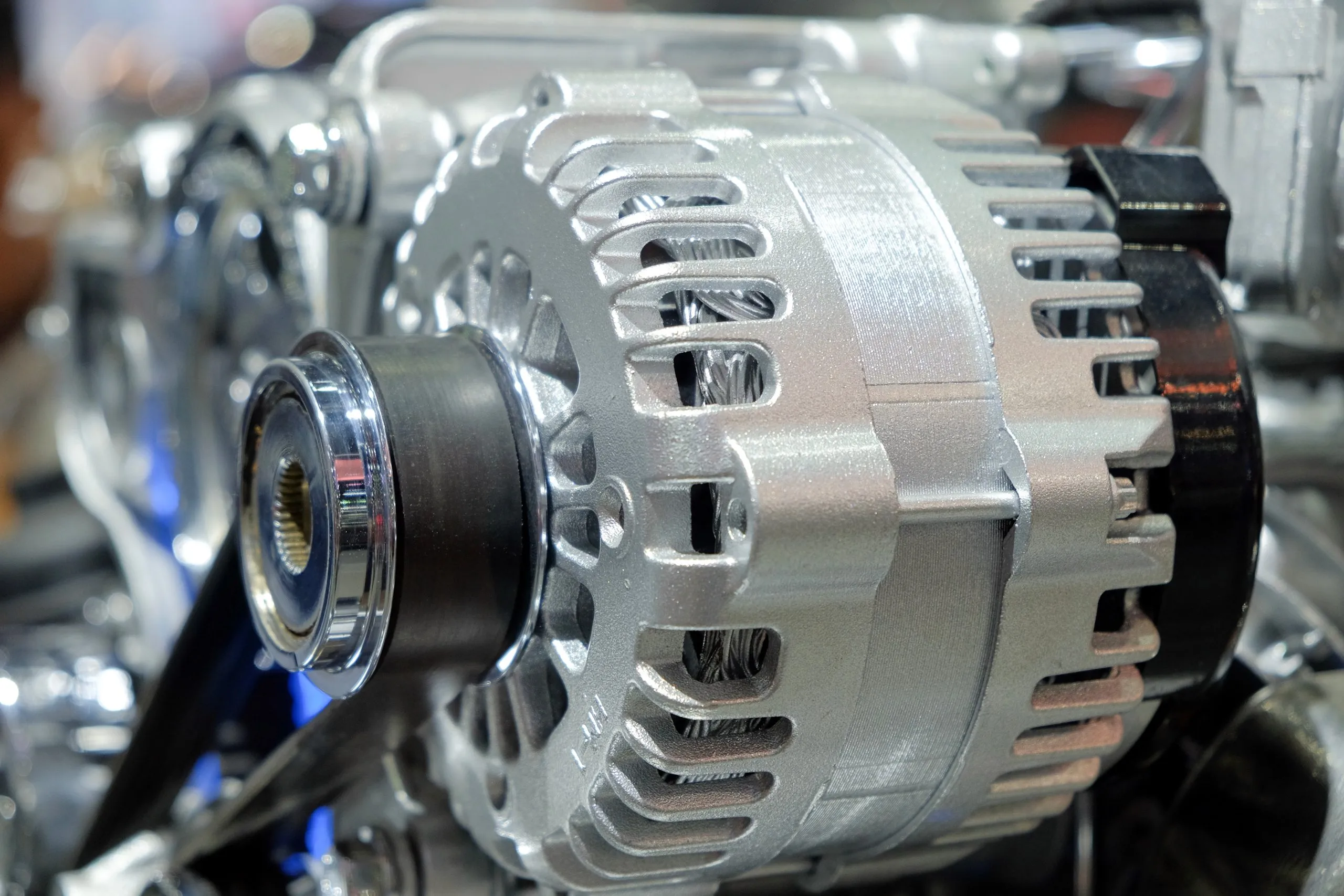
The driveshaft market in the United States plays an essential role in how vehicles transfer power from the engine or motor to the wheels. While it may not always be visible to consumers, it is a critical component in ensuring smooth and efficient vehicle performance. As the automotive industry evolves, driveshafts are also becoming more advanced, with a growing focus on lightweight materials and durability. The global market is expected to grow steadily, reflecting consistent demand. In the U.S., this growth is closely tied to vehicle production, maintenance needs, and the shift toward newer vehicle technologies.
Market Growth Drivers enhancing the USA Driveshafts Industry
Steady Vehicle Demand and Aftermarket Growth
One of the main reasons the driveshaft market continues to grow is the steady demand for vehicles in the U.S. As more cars and commercial vehicles are produced, the need for reliable drivetrain components naturally increases.
At the same time, the aftermarket segment plays a big role, as older vehicles require maintenance and part replacements over time. With many vehicles on U.S. roads aging, this creates a consistent demand for replacement driveshafts. This combination of new vehicle sales and aftermarket demand helps keep the market stable.
Shift Toward Electric and Hybrid Vehicles
The move toward electric and hybrid vehicles is changing how driveshafts are designed and used. Some electric vehicles use simpler drivetrain setups, which can reduce the need for traditional driveshafts. However, other vehicle designs still require advanced driveshaft systems to handle higher torque and performance demands. As a result, manufacturers are focusing on developing more efficient and adaptable designs. This shift is expected to reshape the market rather than eliminate demand entirely.
Focus on Lightweight Materials and Innovation
Automakers are constantly looking for ways to improve efficiency and performance, and reducing vehicle weight is a key part of that. This has led to increased use of materials like aluminum and carbon fiber in driveshaft production. These materials help improve fuel efficiency and overall vehicle performance. At the same time, advancements in design are reducing vibration and improving durability. As these innovations become more common, they are likely to be adopted across a wider range of vehicles.
US Government Regulations Influencing the Driveshafts Market
Government regulations in the U.S. are indirectly shaping the driveshaft market by encouraging better fuel efficiency and lower emissions. Automakers are under pressure to use lighter and more efficient components, which includes improvements in drivetrain systems. In addition, incentives for electric and hybrid vehicles are influencing how these components are designed. These regulatory trends are helping drive innovation and pushing manufacturers to adopt more advanced solutions.
Competitive Landscape of the US Driveshafts Market
The U.S. driveshaft market includes a mix of established global companies and domestic manufacturers. Key players such as American Axle & Manufacturing, Dana Incorporated, GKN Automotive, and Nexteer Automotive are actively shaping the market. These companies are focused on innovation, efficiency, and adapting to new vehicle technologies. Partnerships and continuous product development are key strategies in this competitive landscape.
Challenges faced in the USA Driveshafts Market
Changing Vehicle Architectures
The rise of electric vehicles is changing traditional drivetrain designs.
In some cases, this reduces the need for conventional driveshafts, which can impact demand. Manufacturers need to adapt quickly by developing products suited for new vehicle platforms. This shift is also encouraging innovation in compact, lightweight, and integrated driveline solutions. At the same time, it is pushing companies to rethink design strategies and invest in next-generation drivetrain technologies.
Cost Pressures and Material Constraints
Using advanced materials like carbon fiber can increase production costs.
At the same time, fluctuations in raw material prices and supply chain disruptions can create uncertainty. These challenges can make it harder for companies to balance innovation with affordability. In addition, maintaining consistent quality while managing costs adds further pressure on manufacturers.
Future Outlook
The driveshaft market in the U.S. is expected to grow at a steady pace, supported by ongoing vehicle demand and technological advancements.
While electric vehicles may change how driveshafts are used, they will also create opportunities for new designs and applications. Advances in materials and manufacturing processes are likely to improve performance and reduce costs over time. As the automotive industry continues to evolve, driveshafts will remain an important component, adapting to meet the needs of modern vehicles.
Consultants at Nexdigm, in their latest publication USA Driveshafts Market Outlook to 2030, analyze the sector by System Type (Single piece Driveshafts, Multi piece, Cardan Shaft Drives and Composite and Constant Velocity Driveshafts), by Fitment Type (OEM System, Aftermarket Systems, Refurbished and Custom fit Systems).
Nexdigm suggests that businesses in the USA should take a more strategic approach to the ongoing transformation in the automotive sector, particularly as electrification and advanced drivetrain technologies gain momentum. This includes prioritizing investment in next-generation driveshaft solutions, such as lightweight and high-performance systems designed for electric and hybrid vehicles.
To take the next step, simply visit our Request a Consultation page and share your requirements with us.
Harsh Mittal
+91-8422857704