
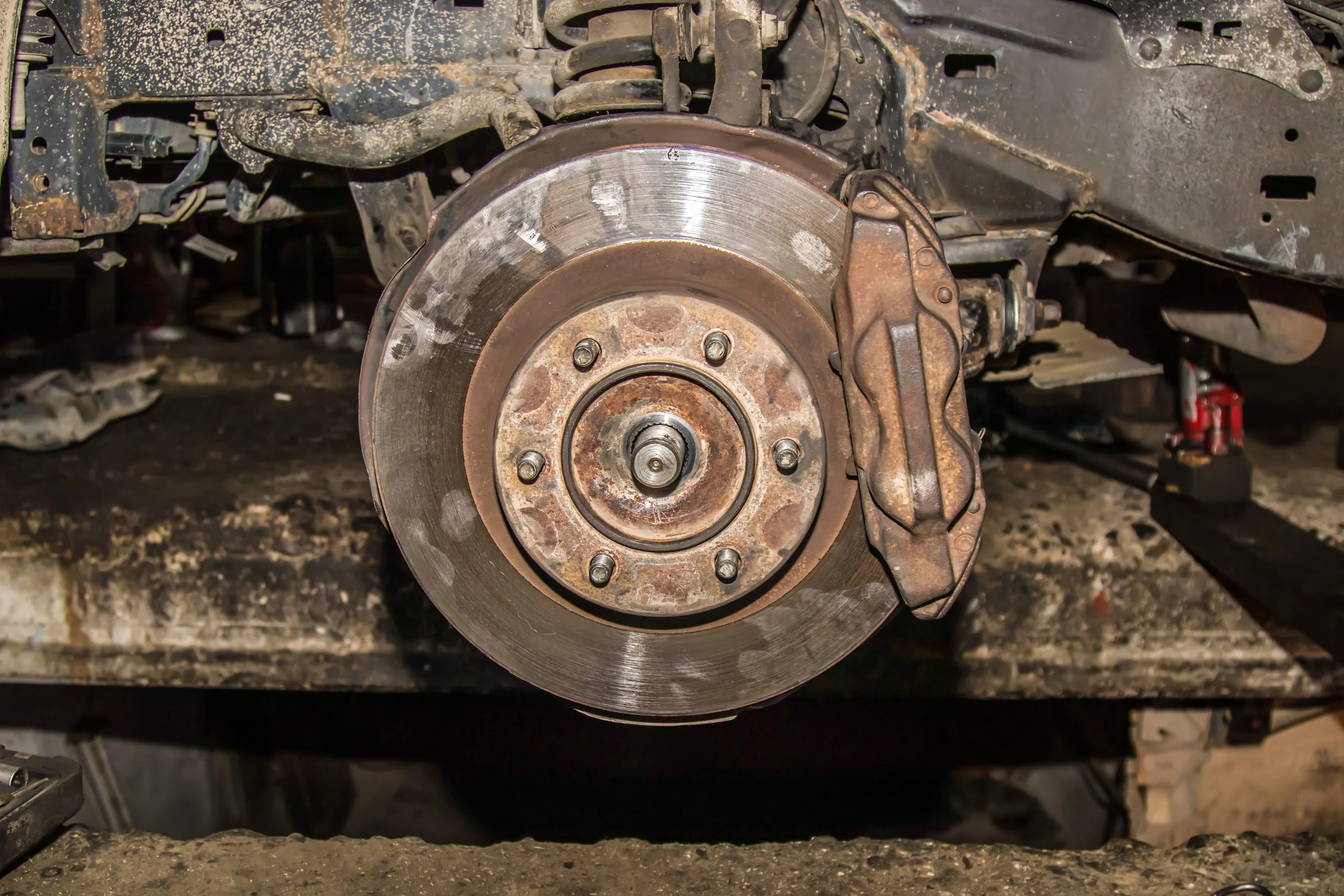
The USA automotive braking industry continues to evolve, though drum brakes still hold a surprisingly resilient place in the market. While disc brakes dominate newer passenger vehicles, drum brake systems remain common in trailers, pickup trucks, buses, and several commercial vehicle categories where durability and lower ownership costs matter more than premium performance. In 2025, a noticeable share of fleet vehicles across logistics and municipal operations still relied on rear drum brake assemblies because they handle heavy loads reliably and are cheaper to service over time. That practical advantage continues to keep the segment relevant even as vehicle technology changes rapidly.
What’s Driving the Drum Brakes Market in the USA?
Expanding Commercial Fleet Operations
The growth of e-commerce has quietly strengthened demand for drum brake systems in the United States. Delivery vans, trailers, and medium-duty trucks now spend longer hours on the road compared to a decade ago. Fleet operators usually prioritize durability and maintenance costs over high-performance braking, especially for vehicles operating in urban stop-and-go environments. Drum brakes fit that requirement well. In practice, many fleet managers still prefer them for rear-wheel applications because replacement parts are affordable and mechanics across smaller towns are already familiar with servicing them. Long-haul freight activity also plays a role here. As warehouse construction spreads across states like Texas, Ohio, and Tennessee, transportation fleets continue expanding. More vehicles on the road naturally create recurring demand for brake replacements and servicing.
Cost Efficiency Still Matters for Automakers
Although automotive technology has advanced significantly, price sensitivity has not disappeared from the market. Entry-level cars, utility trailers, and light commercial vehicles still use drum brakes in selected applications because they cost less to manufacture than disc brake systems. For automakers competing in budget-conscious segments, even modest savings per vehicle can influence production decisions at scale. There is also a practical engineering reason behind their continued use. Drum brakes integrate parking brake functions more simply than many disc systems. That may sound minor, but reducing component complexity helps manufacturers lower assembly costs and simplify maintenance requirements later. For buyers focused on affordability rather than performance branding, this trade-off often makes sense.
Strong Aftermarket Replacement Demand
One overlooked factor in the USA drum brakes market is the age of vehicles currently operating on American roads. The average vehicle age in the country has crossed 12 years, which keeps the aftermarket business active. Brake shoes, wheel cylinders, drums, and spring kits require periodic replacement, particularly in commercial fleets exposed to heavy daily use. Independent garages benefit heavily from this cycle. On the ground, repair shops often mention that drum brake servicing remains routine work for older sedans, trailers, and municipal vehicles. Online auto parts retailers have also changed buying behavior. Small fleet owners who previously depended on dealership supply chains can now compare prices directly through digital marketplaces, making replacement components easier to source and often cheaper.
Government Regulations and Safety Standards
US safety regulators continue pushing manufacturers toward better braking efficiency and stricter durability standards. Agencies such as the National Highway Traffic Safety Administration have encouraged improvements in heat resistance, corrosion protection, and braking consistency. This has led suppliers to experiment with lighter materials and advanced friction compounds that improve performance without dramatically raising costs. Environmental regulations also influence product development indirectly. Lighter braking systems contribute to improved fuel economy, especially in commercial fleets operating thousands of miles each month. That pressure has encouraged manufacturers to refine drum brake designs instead of abandoning them altogether.
Market Competition
The market remains moderately concentrated, with established suppliers controlling much of the OEM and fleet business. Companies such as ZF Friedrichshafen AG, Aisin Corporation, Brembo S.p.A., and Meritor, Inc. continue investing in durability upgrades and lightweight braking technologies.What makes competition interesting is the divide between OEM-focused suppliers and low-cost aftermarket manufacturers. Premium brands focus on reliability and fleet contracts, while smaller aftermarket companies compete aggressively on pricing. That balance keeps pressure on margins across the industry.
Shift Toward Disc Brake and EV Platforms
A major concern for drum brake manufacturers is the rapid shift toward electric vehicles and advanced disc braking systems. Disc brakes offer better heat dissipation and stronger stopping performance, particularly in high-speed passenger vehicles. EV platforms further complicate the outlook because regenerative braking reduces dependence on conventional systems altogether. That said, the transition will not eliminate drum brakes overnight. Heavy-duty applications, trailers, and cost-sensitive fleet categories still rely on them for practical reasons. The real challenge is that suppliers now need to modernize older technology while competing against newer braking platforms attracting larger R&D investments.
Future Outlook
The USA drum brakes market will likely remain stable rather than explosive through 2035. Passenger car adoption may gradually shrink, but replacement demand and commercial vehicle usage should provide enough support to sustain the industry. Fleet operators still value low maintenance costs, especially during periods of economic uncertainty when extending vehicle life becomes more important than upgrading entire fleets.
Consultants at Nexdigm, in their latest publication “USA Drum Brakes Market Outlook to 2035,” analyzed the industry by Brake Type (Leading-Trailing Shoe, Twin Leading Shoe, Duo-Servo), By Vehicle Type (Passenger Vehicles, Light Commercial Vehicles, Heavy Commercial Vehicles, Trailers), and By Sales Channel (OEM, Aftermarket, Independent Distributors, Online Platforms). Nexdigm believes companies focusing on durable aftermarket components, fleet servicing partnerships, and lightweight brake technologies are more likely to maintain long-term competitiveness in this changing market.
To take the next step, simply visit our Request a Consultation page and share your requirements with us.
Harsh Mittal
+91-8422857704