
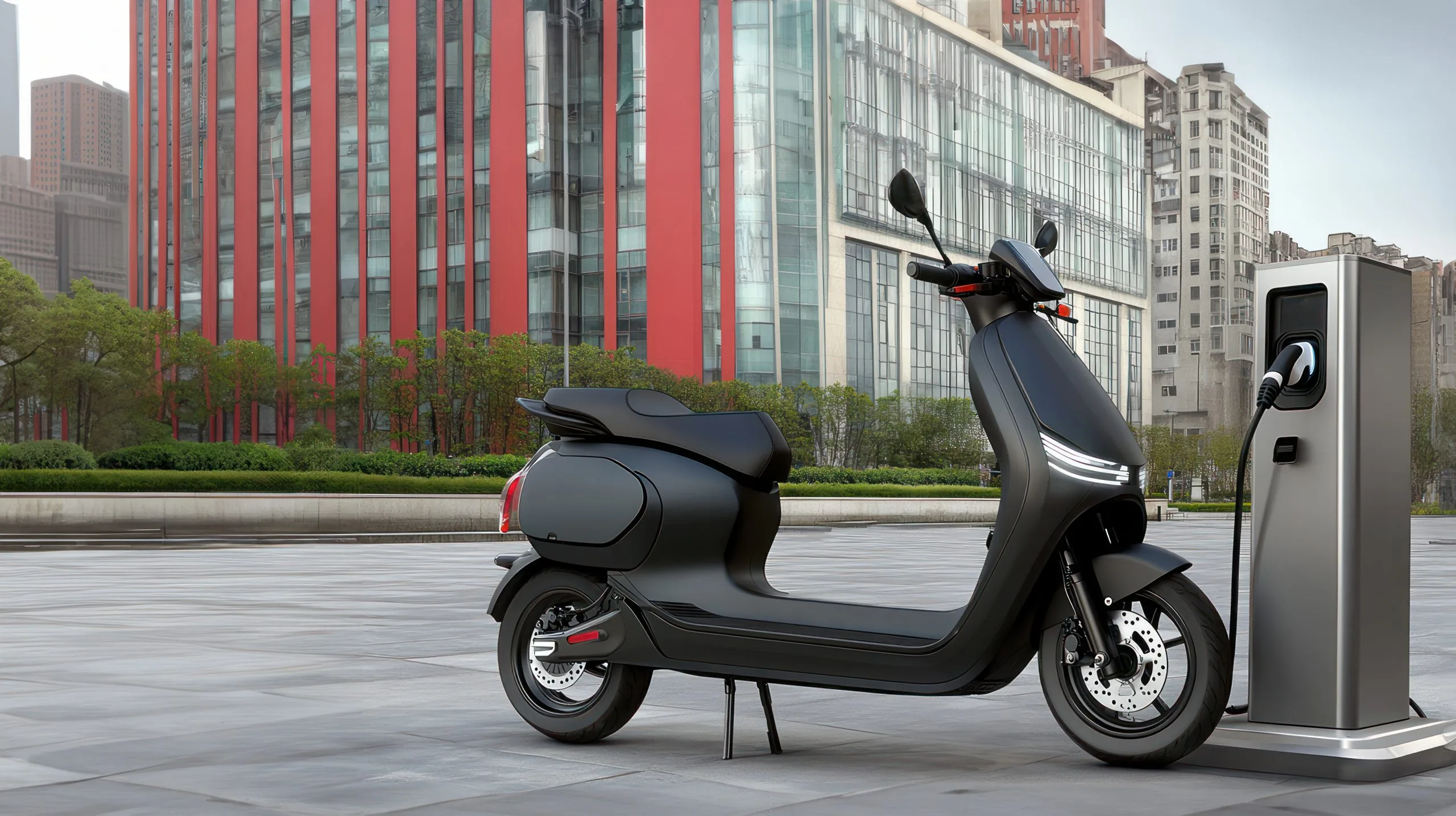
The USA electric two-wheeler market is gaining momentum as consumers, delivery operators, and urban commuters look for cleaner and more flexible mobility options. The market is projected to grow from USD 3.91 billion to USD 9.25 billion in the coming years, at an 11.36% CAGR. By next decade, electric two-wheelers are expected to play a larger role in short-distance travel, last-mile delivery, and urban mobility. For many riders, e-bikes, electric scooters, and electric motorcycles offer a practical alternative to cars for daily commuting, quick errands, and lower-cost transportation.
Market Growth Drivers of the USA Electric Two-Wheeler Industry
Urban Commuters Are Looking for Flexible Mobility
Congestion, parking costs, and rising interest in low-emission transport are encouraging more Americans to consider electric two-wheelers. In dense cities, e-bikes and electric scooters can be faster and more convenient than cars for short trips. The U.S. e-bike market alone is forecast to reach heights in the coming years. This shows that electric two-wheelers are becoming part of everyday mobility, not just a recreational product. For commuters, the appeal is simple: lower running costs, easier parking, and more control over daily travel time.
E-Bike Adoption Is Expanding Across Consumer Segments
E-bikes are one of the strongest categories within the electric two-wheeler market. They appeal to students, office commuters, recreational riders, older adults, and people who want cycling support without relying fully on physical effort. One industry indicated a strong year-on-year growth in availability and demand. As more models enter the market at different price points, electric two-wheelers are becoming more accessible. Improved battery range, lighter frames, and better designs are also helping attract first-time buyers.
Delivery and Shared Mobility Are Creating Commercial Demand
Electric two-wheelers are becoming important for food delivery, courier services, campus mobility, and shared micromobility platforms. Businesses like them because they can reduce fuel costs, improve delivery speed in congested areas, and support sustainability targets. For delivery workers, electric two-wheelers can reduce physical strain and improve productivity compared with conventional bicycles. For fleet operators, they offer a scalable solution for short-distance urban movement. As cities continue to rethink curb space, bike lanes, and low-emission delivery zones, commercial use of electric two-wheelers is likely to expand further.
US Government Initiatives Encouraging Electric Two-Wheeler Adoption
Policy support is gradually helping the market grow, especially through state and city-level rebate programs. Many U.S. states and municipalities offer e-bike incentives, although availability varies by location, funding cycle, and eligibility rules. These incentives help reduce the upfront cost barrier for consumers. Some local programs also focus on lower-income households, commuters, or residents in areas with air quality concerns. Over time, stronger policy support could make electric two-wheelers a more mainstream part of clean transportation planning.
Competitive Insights of the USA Electric Two-Wheeler Market
The competitive landscape includes e-bike manufacturers, electric scooter companies, electric motorcycle brands, battery suppliers, component makers, retailers, and shared mobility operators. Competition is increasing as companies target commuters, leisure riders, delivery workers, and performance-oriented users. Brands compete on battery range, safety, price, design, motor performance, after-sales service, and connected features. Retail and service networks will also matter because customers need reliable maintenance, battery support, and replacement parts. Companies that combine affordability with safety and dependable service are likely to perform better over the long term.
Challenges affecting the USA Electric Two-Wheeler Market
Safety and Regulation Remain Key Concerns
As electric two-wheelers become more common, safety concerns are also increasing. Cities are paying closer attention to speed limits, bike lane access, rider behavior, and pedestrian safety. Recent reporting noted that e-bike injuries in the U.S. has increased, creating pressure for clearer rules and safer infrastructure. Regulation needs to balance safety with accessibility. Overly strict rules could slow adoption, while weak regulation could reduce public trust. Better rider education, safer street design, and consistent product standards will be important.
Battery Safety, Cost, and Charging Access
Battery quality and fire safety are practical concerns, especially in dense cities and apartment buildings. Consumers need products with certified batteries, reliable chargers, and clear safety guidance. Upfront cost can also remain a barrier for high-quality e-bikes, scooters, and motorcycles. Charging access is another issue for people living in apartments or shared housing. If the market is to grow sustainably, manufacturers and cities will need to address affordability, storage, charging, and safe battery handling.
Future Outlook
The USA electric two-wheeler market is expected to be larger, more diverse, and more integrated into urban mobility systems. With the market projected to reach USD 9.25 billion in the coming years, the long-term opportunity is supported by commuting demand, delivery use cases, battery improvements, and city-level mobility policies. Future growth will likely come from e-bikes, electric scooters, electric motorcycles, shared mobility fleets, and last-mile delivery platforms. As cities invest in safer bike lanes, cleaner transport, and better micromobility rules, electric two-wheelers can become a practical bridge between walking, public transit, and car ownership. Businesses that focus on safety, affordability, battery quality, and service support will be better positioned in the coming years.
Consultants at Nexdigm, in their latest publication USA Electric Two Wheeler Market Outlook to 2035 analyzed the market by System Type (Electric Scooters, Electric Buses, Electric Mopeds, Cargo Electric Two Wheelers), by Platform Type (Urban Commuter Platforms, Delivery and Logistic Platforms, Shared Mobility Platforms, Fleet Mobility Platforms).
Nexdigm believes that businesses in the USA should closely evaluate the electric wheeler market, as government support, fleet electrification targets, and infrastructure investments are creating strong opportunities for manufacturers, suppliers, and technology providers.
To take the next step, simply visit our Request a Consultation page and share your requirements with us.
Harsh Mittal
+91-8422857704