
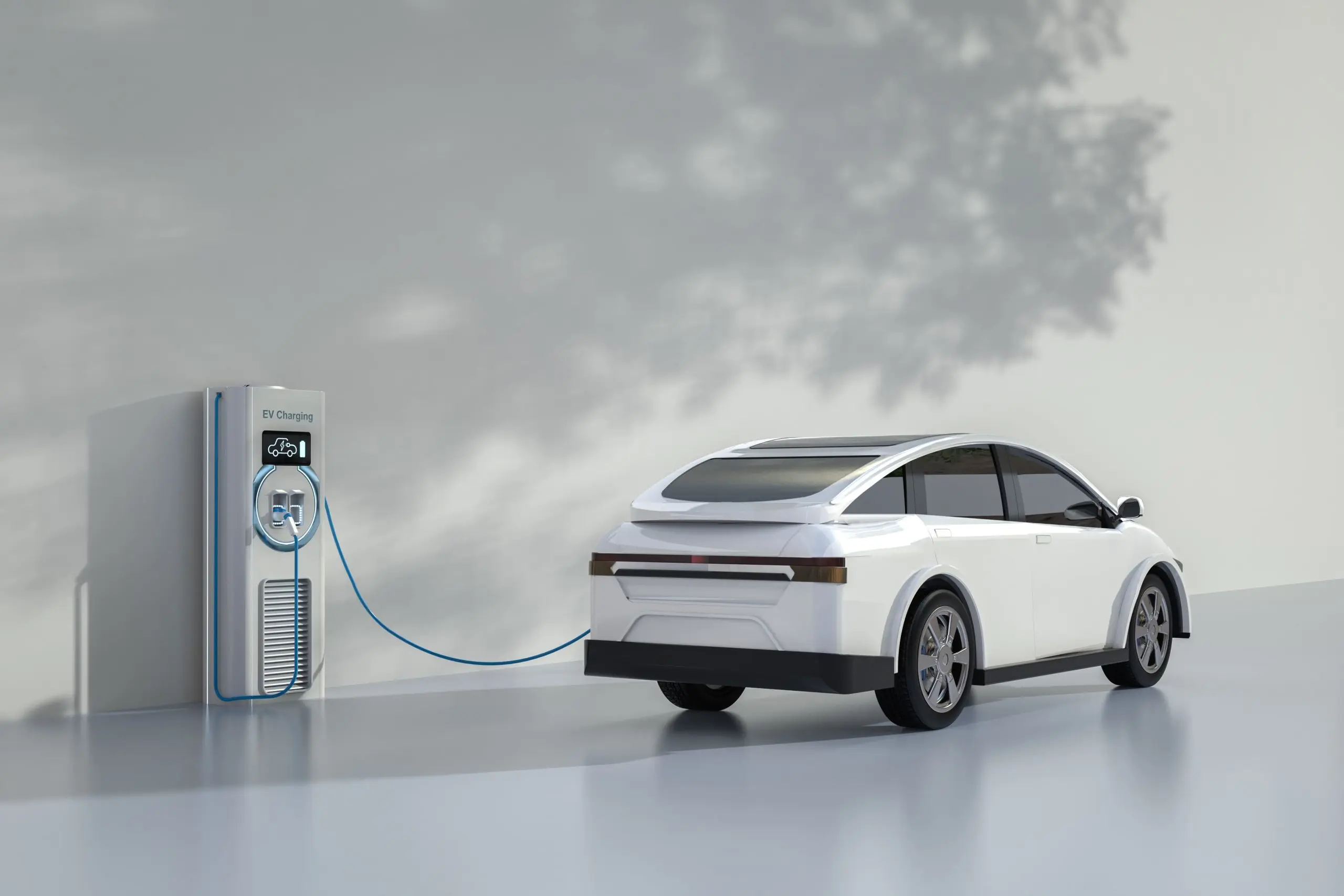
The USA electric vehicle market has moved well beyond the early-adopter phase. What once looked like a niche category led by premium buyers now includes pickup trucks, family SUVs, delivery vans, and entry-level commuter models. By 2026, the United States remains one of the most influential EV markets globally, not only because of sales volume but because decisions made here often shape manufacturing plans, battery investments, and charging standards elsewhere. Consumer interest has grown for practical reasons as much as environmental ones. Many households are comparing lifetime fuel and maintenance costs rather than sticker price alone. At the same time, automakers are pouring billions into new assembly lines and battery plants across states such as Michigan, Tennessee, Georgia, and Nevada. That said, adoption is still uneven. Coastal urban markets are ahead, while some rural regions remain cautious due to charging gaps and driving habits. Through 2035, growth looks solid, but it will not be uniform across the country.
What’s Driving the Electric Vehicle Market in the USA?
Better Economics for Everyday Buyers
The strongest shift has come from household math. Electricity often costs less per mile than gasoline, and EVs typically need fewer routine repairs because there are fewer moving parts. For drivers covering long daily distances, those savings add up quickly. Tax credits and state rebates also matter, especially in the mid-price segment. A buyer comparing a conventional crossover with an electric one may find the gap far smaller after incentives. In practice, this has helped move EVs from aspirational purchase to realistic option for middle-income families.
Charging Networks Becoming More Practical
A few years ago, many consumers dismissed EVs simply because charging felt inconvenient. That barrier has started to weaken. Interstate fast-charging corridors are expanding, apartment complexes are adding chargers, and employers increasingly offer workplace charging. The experience is still inconsistent. Some stations are excellent, others unreliable. Yet the direction is clear: when drivers see chargers at grocery stores, office parks, and highway stops, confidence rises. Convenience often sells faster than marketing campaigns.
Better Vehicles, Not Just Cleaner Ones
Automakers have learned that consumers do not buy technology for its own sake. They buy comfort, reliability, cargo space, towing ability, and range. Newer EV models now compete on those terms. Battery packs deliver longer range than earlier generations, software updates improve performance, and charging times continue to fall. Pickup trucks and larger SUVs are especially important in the US market. Without them, adoption would remain limited. With them, the category becomes mainstream.
Government-Led Initiatives
Washington has played a major role in accelerating the market, though policy execution has not always been smooth. Federal legislation has supported EV tax credits, battery manufacturing, domestic mineral processing, and charger deployment. States have added their own rebates, zero-emission mandates, and fleet procurement targets. The more interesting shift is industrial. The US wants more of the value chain at home, from battery cells to semiconductors. New factories in the Midwest and Southeast suggest that goal is more than rhetoric. Still, permitting delays and labor shortages can slow timelines. Subsidies help, but they do not solve every bottleneck.
Market Competition
The market is no longer a one-company story. Tesla, Inc. remains the benchmark in scale and charging access, yet rivals have become more credible. Ford Motor Company has pushed into electric pickups with the F-150 Lightning, while General Motors continues expanding its Ultium platform. Rivian Automotive has built a strong image in adventure and commercial segments. Foreign brands matter too. Hyundai Motor Company and others have gained traction through design, pricing, and warranty strength. Consumers benefit from this competition because prices, features, and financing terms improve when brands fight for share.
Charging Reliability and Supply Risks
The biggest issue is no longer awareness. It is trust. Drivers need confidence that chargers will work, be available, and charge at promised speeds. A broken fast charger during holiday travel can undo months of positive messaging. Battery materials present another concern. Lithium, nickel, graphite, and rare inputs remain exposed to global supply swings. If raw material prices spike, vehicle affordability can suffer. The industry has made progress, but resilience is still a work in progress.
Future Outlook
By 2035, electric vehicles are likely to command a major share of new US vehicle sales, particularly in crossovers, pickups, and fleet vans. Commercial operators may adopt faster than households because fuel savings are easier to measure and routes are predictable. Delivery fleets, municipal buses, and service vehicles are obvious candidates. Some regions will move faster than others. California may look very different from parts of the Midwest or Deep South. That is normal for a market this large. What seems most likely is a mixed future where EVs dominate many categories while hybrids remain relevant in others.
Consultants at Nexdigm, in their latest publication “USA Electric Vehicle Market Outlook to 2035”, analyzed the market by Vehicle Type (Passenger Cars, SUVs, Pickup Trucks, Commercial Vehicles), By Propulsion (Battery Electric Vehicle, Plug-in Hybrid Electric Vehicle), By Battery Type (LFP, NMC, Solid-State Emerging), and By Sales Channel (Direct-to-Consumer, Dealerships, Fleet Sales). Nexdigm believes companies should focus on affordable models, dependable charging partnerships, and local battery sourcing rather than chasing volume alone.
To take the next step, simply visit our Request a Consultation page and share your requirements with us.
Harsh Mittal
+91-8422857704