
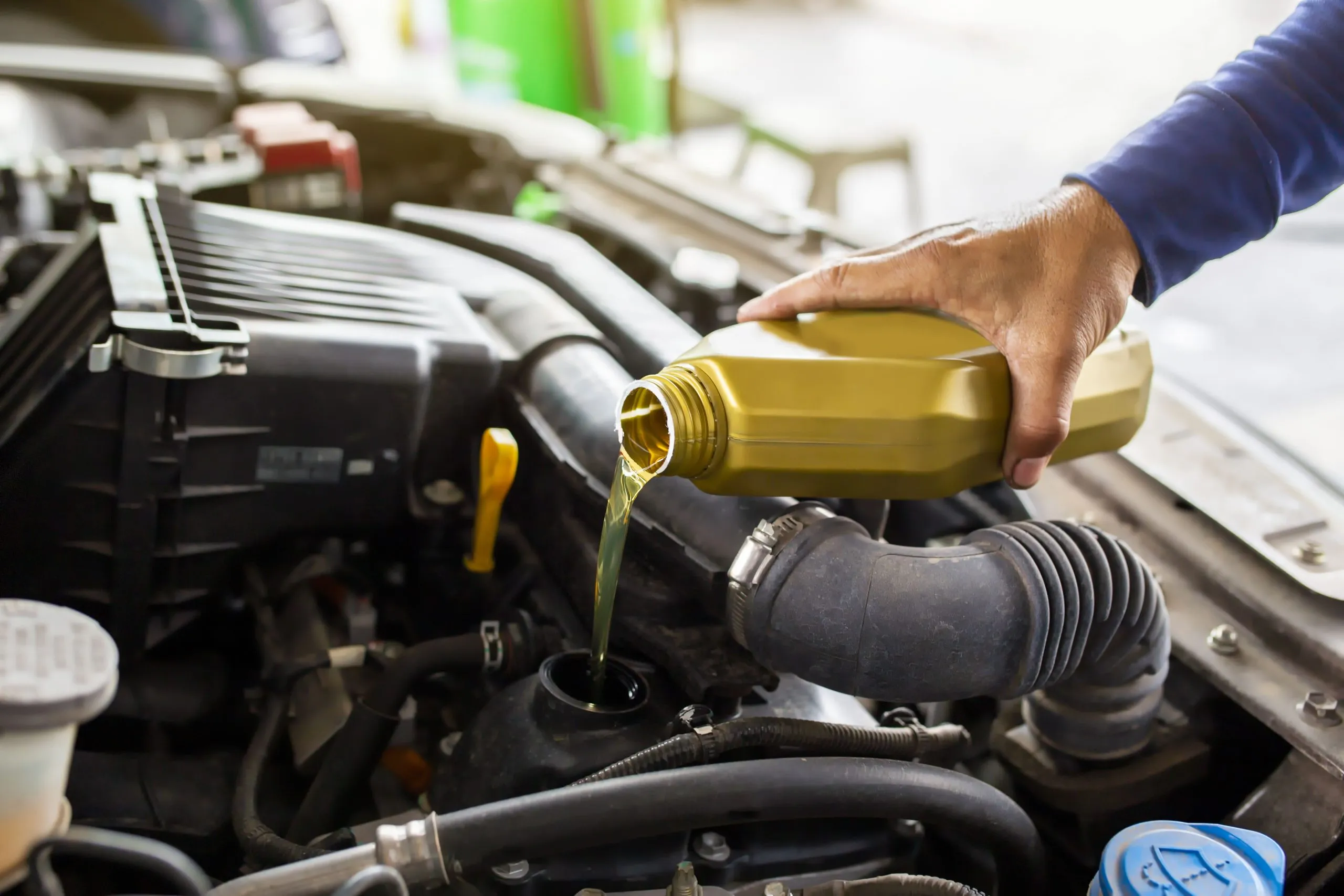
The USA engine oils market continues to evolve alongside changes in vehicle technology, consumer maintenance habits, and environmental regulations. Even in 2026, the country remains one of the largest lubricant consumers globally because of its massive vehicle parc and dependence on road transportation. Long-distance commuting, interstate freight movement, and a strong car ownership culture still keep lubricant demand healthy across passenger and commercial vehicles. At the same time, the market no longer revolves around simple mineral oils. Synthetic formulations have become increasingly common as modern engines demand better heat resistance, cleaner performance, and longer oil drain intervals. While electric vehicles are gradually entering the mainstream, traditional internal combustion engines still dominate highways, delivery fleets, and rural transport networks across much of the country.
What’s Driving the Engine Oils Market in the USA?
Shift Toward Synthetic and Premium Lubricants
American consumers have become far more selective about vehicle maintenance than they were a decade ago. Drivers of SUVs, pickup trucks, and performance vehicles are spending more on synthetic engine oils because they offer longer replacement cycles and better protection under extreme temperatures. In states with harsh winters such as Minnesota or North Dakota, low-viscosity synthetics perform noticeably better during cold starts. On the other hand, hotter regions like Texas and Arizona create demand for oils that can handle prolonged thermal stress. Automakers are also influencing lubricant preferences. Many newer engines, especially turbocharged gasoline units, require specific synthetic grades to maintain warranty compliance. In practice, this leaves workshops and vehicle owners with fewer low-cost alternatives than before.
Freight Transportation and Commercial Fleet Activity
The expansion of e-commerce has quietly become one of the strongest contributors to lubricant consumption in the USA. Delivery vans, heavy-duty trucks, and regional logistics fleets spend long hours on the road every day, particularly around distribution hubs in California, Texas, and the Midwest. More mileage naturally translates into more frequent oil changes and higher demand for heavy-duty diesel lubricants. Fleet operators are also under pressure to reduce downtime. A truck sitting idle for engine repairs can disrupt entire delivery schedules. Because of that, many transport companies now prefer premium lubricants with extended drain intervals, even if they come at a higher upfront cost. Over time, the cost savings from lower maintenance interruptions tend to outweigh the additional expense.
Aging Vehicle Fleet Supporting Aftermarket Demand
One interesting reality in the US automotive sector is that people are keeping their vehicles longer. The average vehicle age in the country has crossed twelve years, and older engines often consume more oil or require specialized high-mileage formulations. This trend has kept the aftermarket business active despite improvements in engine durability. Independent garages and quick-lube centers continue to benefit from this pattern. A common challenge for older vehicle owners is balancing maintenance costs with declining resale value. Many consumers postpone buying new vehicles due to high financing rates, which indirectly supports recurring demand for lubricants and engine treatment products.
Government Regulations and Sustainability Initiatives
Fuel economy standards and emissions rules are reshaping lubricant formulations across the market. Regulatory pressure from agencies such as the EPA has encouraged manufacturers to develop thinner, fuel-efficient oils that reduce engine friction without compromising durability. There is also growing interest in re-refined base oils and recyclable packaging, particularly among large commercial fleets trying to improve sustainability metrics. That said, the transition is not entirely smooth. Bio-based lubricants still face pricing and scalability issues, and many smaller repair shops remain cautious about adopting unfamiliar formulations too quickly.
Market Competition and Industry Landscape
The USA engine oils market remains highly competitive, with companies such as ExxonMobil, Shell plc, Chevron Corporation, Valvoline Inc., and BP Castrol competing aggressively across retail and commercial segments. Brand loyalty still matters in this industry, especially among truck owners and automotive enthusiasts who often stick to one lubricant brand for years. Another noticeable shift is the growing influence of online retail and quick-service maintenance chains. Consumers increasingly compare oil specifications, performance claims, and pricing online before making purchases. This has pushed lubricant companies to invest heavily in product differentiation rather than competing only on price.
Electric Vehicles Reducing Long-Term Lubricant Demand
The biggest long-term concern for lubricant manufacturers is the rise of electric vehicles. EVs do not require conventional engine oils, which directly affects future passenger car lubricant consumption. States such as California are already moving aggressively toward electrification through stricter emission targets and EV incentives. Still, the shift may take longer than many expect. Charging infrastructure gaps, battery replacement costs, and the continued dominance of heavy-duty diesel transportation mean conventional lubricants will remain relevant for years, particularly outside major urban centers.
Future Outlook
Through 2035, the USA engine oils market will likely move toward premium, fuel-efficient, and application-specific lubricants rather than simple volume expansion. Hybrid vehicles, commercial trucking, and aging gasoline-powered cars should continue supporting demand, even as EV adoption gradually reshapes the industry. Manufacturers that focus on high-performance synthetics, sustainability initiatives, and strong aftermarket relationships are likely to remain competitive in a market that is changing steadily, though not as quickly as some early forecasts suggested.
Consultants at Nexdigm, in their latest publication “USA Engine Oils Market Outlook to 2035”, analyzed the market by Product Type (Mineral Oil, Semi-Synthetic Oil, Fully Synthetic Oil, High-Mileage Oil), By Vehicle Type (Passenger Cars, Light Commercial Vehicles, Heavy Commercial Vehicles, Motorcycles), and By Distribution Channel (OEM Workshops, Independent Garages, Quick-Lube Centers, Online Retail, Automotive Parts Stores). Nexdigm believes that businesses should prioritize high-performance synthetic formulations, sustainability-focused product development, and strong aftermarket distribution partnerships while adapting strategies to the long-term rise of electric mobility in the USA automotive sector.
To take the next step, simply visit our Request a Consultation page and share your requirements with us.
Harsh Mittal
+91-8422857704