
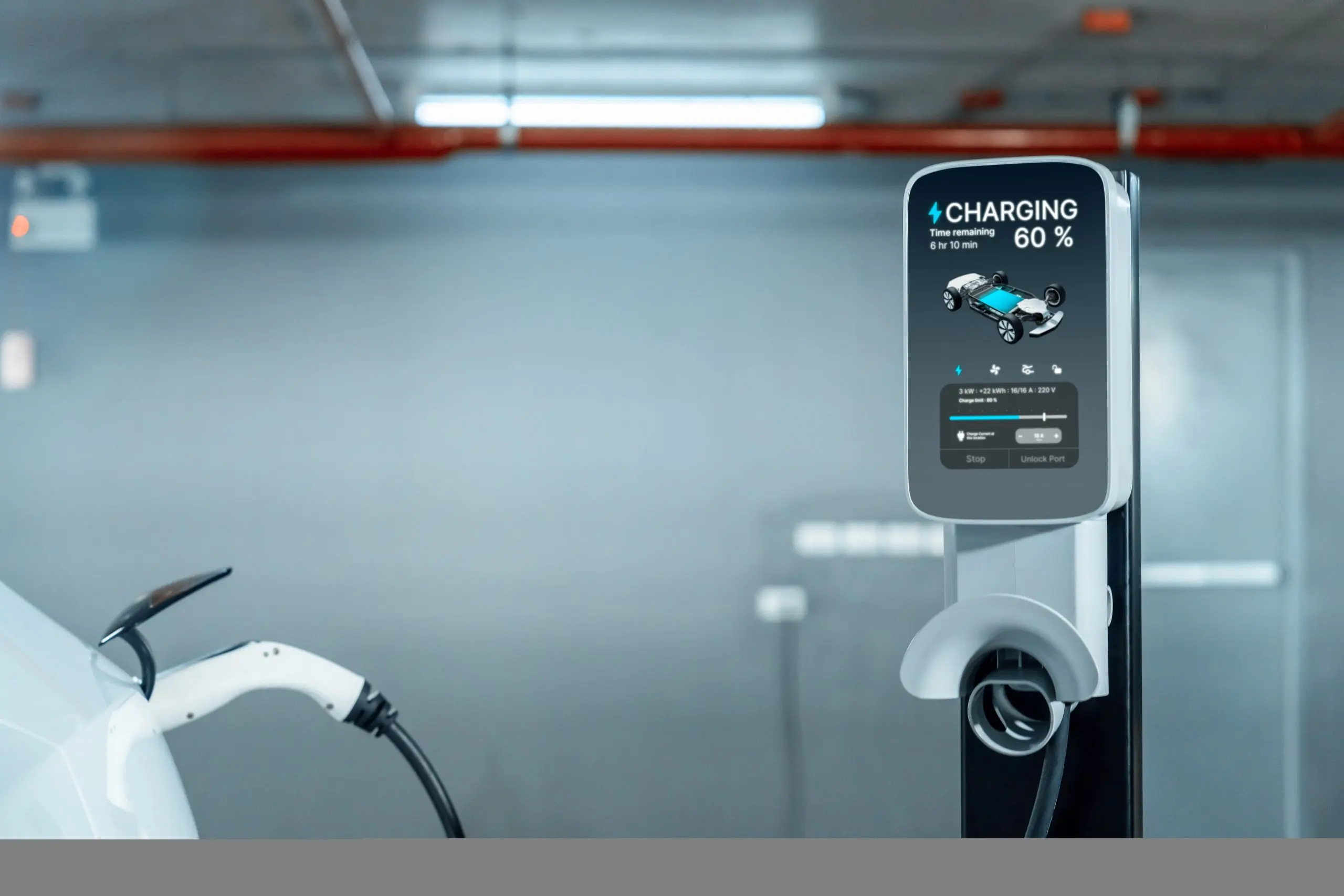
The USA EV battery market is gaining momentum as electric mobility, domestic manufacturing, and battery supply chain localization become national priorities. The market is projected to reach USD 24.37 billion in the coming years, growing at a 22.6% CAGR. In the coming years, batteries will be more than just a vehicle component; they will be central to America’s clean transport, energy security, and industrial competitiveness. As automakers scale EV production, demand for reliable, affordable, and locally produced batteries is expected to rise sharply. For consumers, stronger battery technology means better driving range, faster charging, and more confidence in switching to electric vehicles.
Factors Fueling Growth of the USA EV Battery Market
EV Adoption Is Creating Strong Battery Demand
The biggest driver of the EV battery market is the steady shift from internal combustion vehicles to electric vehicles. Every new EV sold creates demand for battery cells, modules, packs, battery management systems, and related materials. As EV models become more affordable and driving ranges improve, consumer confidence is expected to increase. This will directly support battery demand across passenger cars, electric trucks, buses, and commercial fleets. Battery performance will also become a key factor in vehicle purchasing decisions, especially around range, charging speed, warranty, and safety. In simple terms, the better the battery, the easier it becomes for people and businesses to choose EVs.
Local Battery Manufacturing Is Gaining Momentum
The U.S. is working to reduce dependence on imported batteries and critical minerals by expanding local production. This investment wave is supporting new gigafactories, battery component plants, recycling facilities, and supply chain partnerships. For the market, this means more localized production capacity and stronger links between automakers, battery suppliers, and material processors. In the coming years, domestic manufacturing is likely to be a major competitive advantage. It can also help reduce supply disruptions and create more stability for automakers planning long-term EV production.
Battery Innovation Is Improving EV Performance
Battery innovation helps improve EV range, charging time, energy density, and safety. Lithium-ion batteries remain the largest revenue-generating battery type in the U.S. EV battery market and are also expected to register strong growth during the forecast period. Advances in cell chemistry, pack design, thermal management, and software-based battery management are making EVs more practical for daily use. At the same time, battery recycling and second-life applications are becoming more important as the first large waves of EV batteries approach end-of-life. These innovations will help make batteries cleaner, more efficient, and more cost-effective over the long term.
How Government Support Is Strengthening the Battery Supply Chain in the USA?
Government support is helping accelerate domestic battery manufacturing and recycling. The U.S. Department of Energy’s Battery Manufacturing and Recycling Grants Program has USD 3 billion in funding to support domestic manufacturing and recycling capability for a North American battery supply chain. A separate Battery Materials Processing Grants Program also uses funding to expand domestic battery materials processing and manufacturing capacity. These initiatives are important because battery competitiveness depends not only on cell assembly, but also on upstream materials, refining, recycling, and supply chain resilience. Continued policy support can give companies more confidence to invest in large-scale battery projects.
Competitive Landscape of America’s EV Battery Ecosystem
The competitive landscape includes battery cell manufacturers, automakers, material suppliers, recycling companies, software providers, and energy storage technology firms. Automakers are increasingly forming joint ventures with battery companies to secure long-term supply and reduce production risks. Competition is expected to intensify around cost, energy density, charging speed, safety, lifecycle performance, and domestic content compliance. Companies that can combine scale, technology, material security, and recycling capabilities will be better positioned in the coming years. Strategic partnerships will also become more important as no single company can manage the entire battery value chain alone.
Challenges faced in the USA EV Battery Market
Critical Mineral Supply Is Still a Major Concern
EV batteries depend on materials such as lithium, nickel, cobalt, manganese, and graphite. Limited domestic processing capacity and dependence on overseas supply chains can expose manufacturers to price volatility, geopolitical risk, and production delays. Even as U.S. cell and pack assembly expands, upstream material availability remains a challenge. Building mines, refining facilities, and processing capacity takes time, regulatory approvals, and large capital investment. Without a stronger minerals strategy, battery makers may still face bottlenecks even if factory capacity increases.
Cost Pressure and Demand Uncertainty Could Affect Investment
Battery prices have improved over the long term, but cost pressure remains an issue for automakers trying to make EVs more affordable. If consumer EV demand slows, battery producers may face underused capacity or delayed factory expansion plans. Policy uncertainty can also affect investment decisions. Changes to EV incentives, sourcing rules, or federal support could create challenges for the U.S. battery industry. For businesses, this means flexibility will be important, especially when planning capacity, sourcing, and long-term supply agreements.
Future Outlook
The USA EV battery market is expected to be larger, more localized, and more technology driven. With the market projected to grow rapidly in the coming years, the next phase of growth will likely focus on scaling production, improving affordability, and securing battery materials. Future opportunities will come from gigafactory expansion, battery recycling, solid-state battery development, fleet electrification, and stronger domestic supply chains. Businesses that invest early in technology, partnerships, and supply security will be better placed to capture long-term growth in America’s battery economy. In the long run, the winners will be those that can deliver batteries that are affordable, safe, reliable, and locally supported.
Consultants at Nexdigm, in their latest publication USA EV Battery Market Outlook to 2030, analyzed the market by System Type (Battery Monitoring System, Battery Control System, Energy management system, Thermal Management System), by Fitment Type (OEM Solutions, Aftermarket Solutions, Upgraded Systems).
Nexdigm believes that businesses should prioritize innovation, adaptability, and customer-centric strategies to stay competitive in an ever-evolving market. By embracing digital transformation, companies can streamline operations, enhance efficiency, and deliver value in new ways. Additionally, focusing on sustainability and responsible business practices ensures long-term growth while aligning with global environmental and social goals.
To take the next step, simply visit our Request a Consultation page and share your requirements with us.
Harsh Mittal
+91-8422857704