
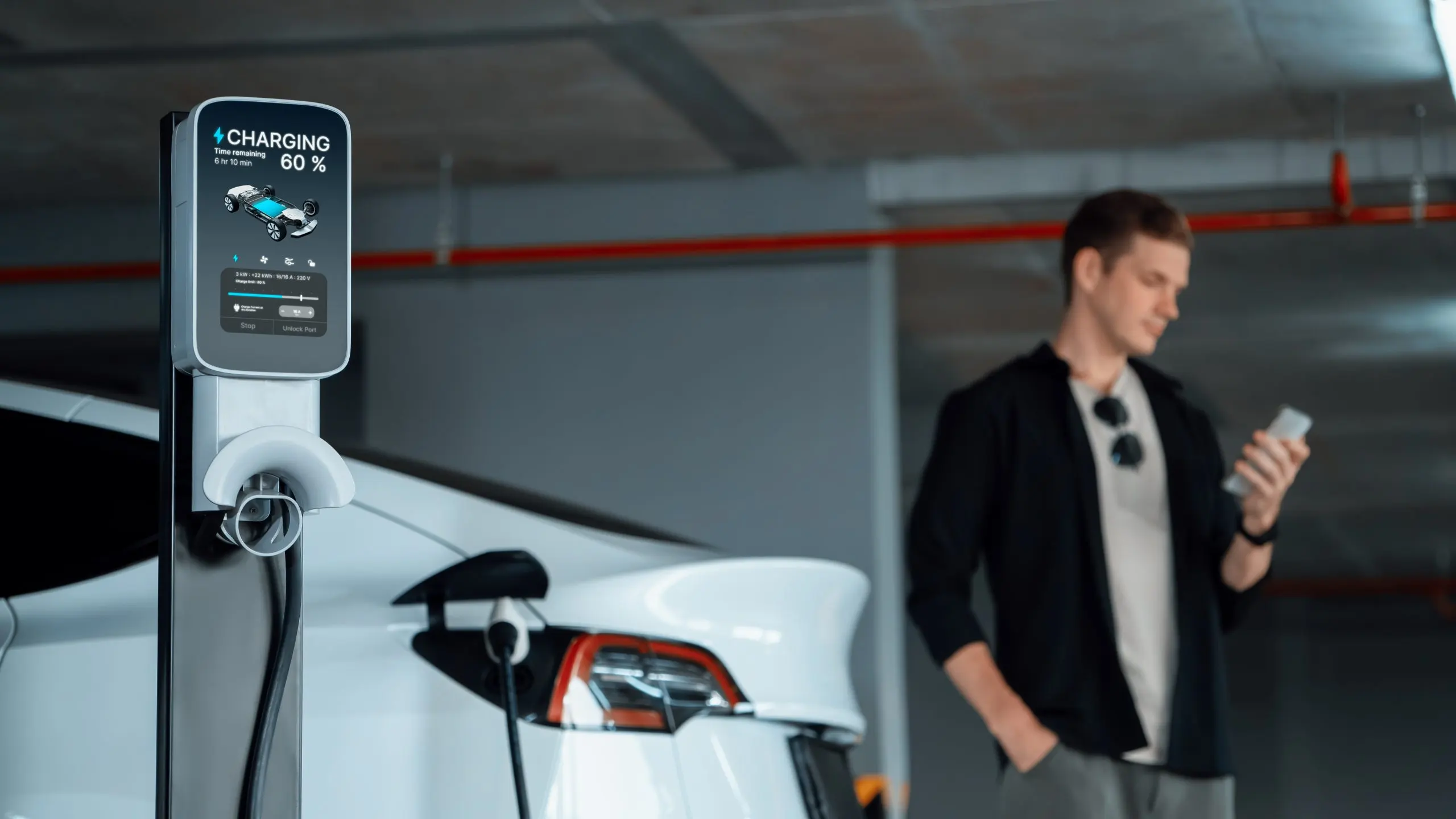
The EV batteries market in the United States is growing quickly as the country moves toward cleaner and more sustainable transportation. Batteries are the backbone of electric vehicles, directly affecting how far they can travel, how fast they charge, and how they perform overall. The U.S. market was valued at around $7.1 billion last year, is expected to reach about $24.3 billion in the upcoming years. This rapid growth reflects the strong shift toward electric mobility across the country. It is also driven by increasing awareness around environmental impact and energy efficiency. At the same time, battery production is becoming a strategic priority for economic and national security reasons.
Market Growth Factors Supporting EV Battery Market of the USA
Rapid Adoption of Electric Vehicles
One of the biggest reasons behind this market growth is the increasing number of electric vehicles on U.S. roads. Consumers are gradually shifting toward EVs due to lower fuel costs, government incentives, and environmental concerns. Automakers are also expanding their EV portfolios to meet changing consumer preferences. As EV adoption grows, the demand for high-capacity and high-performance batteries rises accordingly. Drivers are also expecting longer range and faster charging, which increases battery demand further. The expansion of charging infrastructure is making EV ownership more convenient. This combination of factors is creating a strong and sustained demand for EV batteries. Over time, EVs are expected to take a much larger share of total vehicle sales.
Continuous Advancements in Battery Technology
Technology is playing a major role in making EV batteries more efficient and affordable. Lithium-ion batteries currently dominate the market due to their reliability and performance. At the same time, new technologies like solid-state batteries are being developed to improve safety and energy density. Battery costs have been declining steadily, helping make EVs more accessible to a wider audience. Manufacturers are also focusing on improving charging speed and battery lifespan. These improvements are making EVs more practical for everyday use. Ongoing research and innovation are accelerating the pace of change in the industry. As technology evolves, battery performance is expected to improve significantly.
Expansion of Domestic Manufacturing and Supply Chains
The U.S. is placing increasing focus on building its own battery manufacturing ecosystem. Large-scale battery plants, often called gigafactories, are being set up across the country. Automakers and battery companies are investing billions of dollars in local production facilities. This helps reduce reliance on imports and strengthens supply chain stability. Domestic production also creates jobs and supports economic growth. Several states are emerging as key hubs for battery manufacturing. At the same time, companies are working to secure access to raw materials. This expansion is expected to make the U.S. a major player in the global EV battery market.
US Government’s Strategic Initiatives to boost EV Battery Market Growth
Government policies in the U.S. are playing a major role in accelerating the EV battery market. Programs like the Inflation Reduction Act provide incentives for EV purchases and local battery production. These initiatives are encouraging both consumers and manufacturers to adopt electric mobility. At the same time, stricter emission regulations are pushing automakers to shift away from traditional vehicles. Government funding is also supporting research, infrastructure, and battery innovation. Together, these efforts are creating a strong foundation for long-term market growth.
Competitive Insights and Major Players of USA EV Battery market
The U.S. EV battery market is highly competitive, with a mix of global and domestic players. Key companies include Panasonic Corporation, LG Energy Solution, Tesla Inc., and Samsung SDI. These companies are focusing on improving battery performance, reducing costs, and expanding the production capacity. Partnerships between automakers and battery suppliers are becoming increasingly common. Continuous innovation and investment in new technologies are shaping the competitive landscape.
Major Barrier affecting the USA EV Battery Market Growth
Supply Chain and Raw Material Dependency
One of the biggest challenges is the heavy reliance on critical raw materials such as lithium, cobalt, and nickel. These materials are often sourced from a limited number of countries, creating supply risks. Price fluctuations and geopolitical issues can impact availability and cost. The U.S. is working to develop local supply chains, but this will take time. Ensuring a stable supply of materials remains a key concern for the industry.
High Costs and Recycling Issues
Although battery costs are decreasing, they are still relatively high compared to traditional components. Developing advanced battery technologies requires significant investment. At the same time, managing battery waste and recycling is becoming an important issue. Efficient recycling systems are needed to reduce environmental impact. Addressing these challenges will be crucial for long-term sustainability.
Future Outlook
As we look ahead, the EV batteries market in the U.S. is expected to grow at a rapid pace. Increasing EV adoption, technological improvements, and strong government support will continue to drive demand. Domestic manufacturing capacity is likely to expand significantly, reducing reliance on imports. New battery technologies, including solid-state batteries, could further transform the industry. At the same time, improvements in cost efficiency and recycling will play an important role. Overall, EV batteries will remain at the center of the U.S. transition toward a cleaner and more sustainable transportation future.
Consultants at Nexdigm, in their latest publication USA EV Batteries Market Outlook to 2030, analyze the sector by System Type (Lithium Ion battery, Lithium Iron Phosphate Battery, Nickel Manganese Cobalt Batteries, Solid State Batteries), by Fitment Type (OEM System, Aftermarket Systems, Refurbished and Heavy-Duty Systems).
Nexdigm suggests that businesses rethink traditional operating models by embracing agility, digital engineering, and innovation-led manufacturing. Companies must align product strategies with electrification trends, strengthen supply chain resilience, and invest in talent transformation to stay competitive in a rapidly evolving, technology-driven global automotive ecosystem.
To take the next step, simply visit our Request a Consultation page and share your requirements with us.
Harsh Mittal
+91-8422857704