
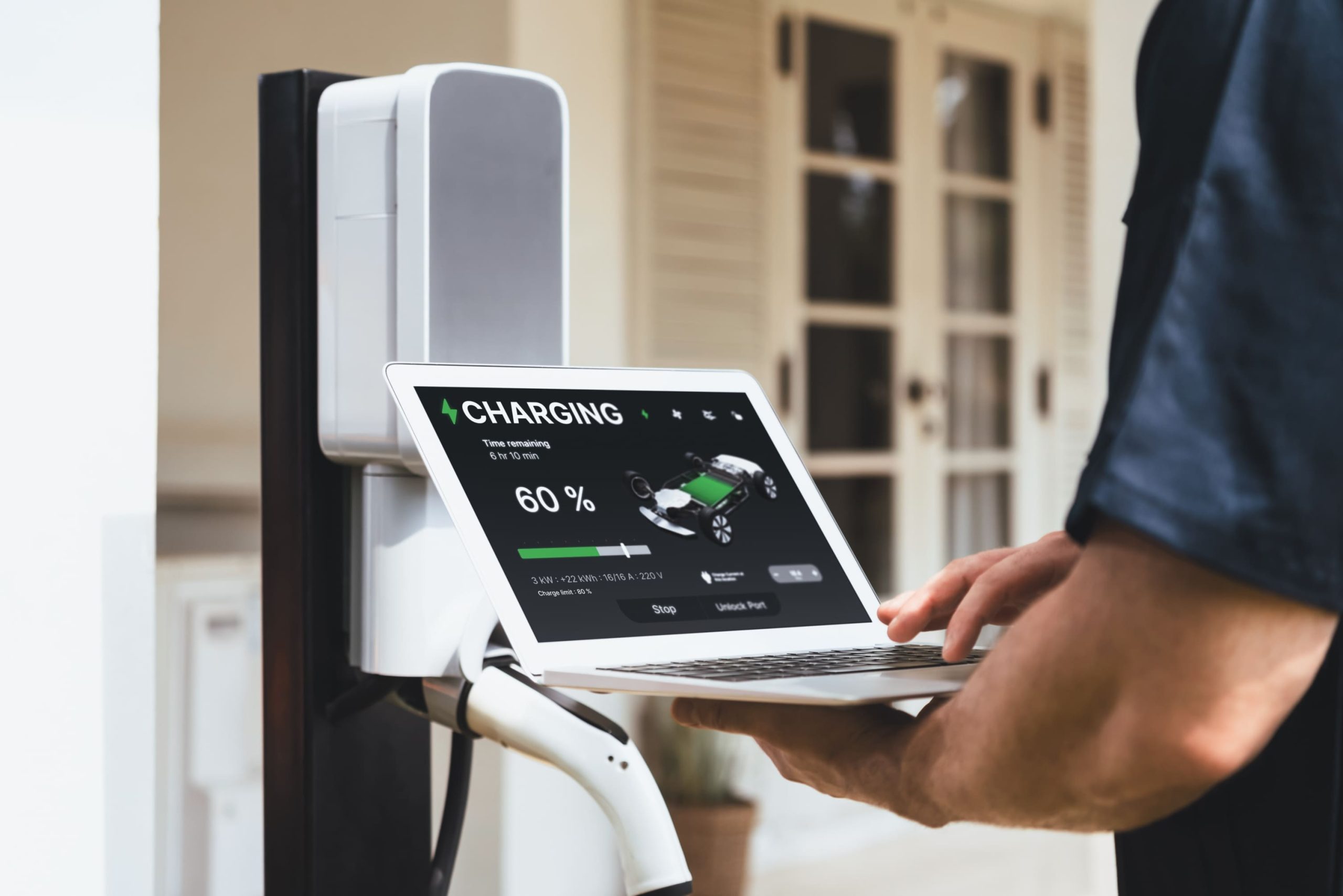
The USA EV traction inverters market is moving into a far more important phase than many casual observers realize. While batteries and charging stations often get most of the attention, traction inverters sit at the heart of electric vehicle performance. They control how efficiently battery power is converted into motion, which directly affects range, acceleration, and energy use. As of 2026, the U.S. electric vehicle market is expanding across passenger cars, delivery vans, school buses, and commercial fleets. That shift is creating sustained demand for smarter, lighter, and more efficient inverter systems. At the same time, domestic EV production, semiconductor investments, and tighter emissions targets are pushing traction inverter technology from a niche component category into a core battleground for automotive competitiveness.
What’s Driving the EV Traction Inverters Market in the USA?
Rising EV Volumes Across Vehicle Segments
One of the clearest demand triggers is simple: more EVs on the road means more traction inverters being built, tested, and upgraded. Passenger EV adoption in the U.S. has widened beyond early adopters in California and a few coastal cities. Fleet operators are also stepping in. Delivery companies, municipal transport agencies, and logistics players are electrifying vehicles where fuel savings and lower maintenance costs can be measured quickly. In practice, every one of those vehicles depends on inverter reliability, especially under stop-and-go duty cycles or heavy-load operation.
Shift Toward Silicon Carbide Technology
A major technical shift is underway as automakers and suppliers move from conventional silicon-based systems toward silicon carbide, or SiC, power semiconductors. This matters because SiC inverters waste less energy as heat and can operate at higher switching frequencies, which helps improve vehicle efficiency. That is not just an engineering detail. It can translate into a few extra miles of range, smaller cooling systems, and better packaging flexibility. In a market where OEMs are fighting over every performance advantage, that trade-off matters a lot.
Local Manufacturing and Supply Chain Realignment
Another key factor is the growing push to make EV components closer to where vehicles are assembled. U.S.-based EV and battery plants are expanding across states such as Michigan, Tennessee, Georgia, and Texas. As assembly lines scale, traction inverter production is increasingly being localized as well. This is partly about cost and logistics, but it is also about reducing exposure to overseas supply disruptions. On the ground, suppliers that can offer integrated electric drive systems with inverter capability are often in a stronger position than those selling stand-alone hardware.
Government-Led Initiatives
Federal and state policies continue to shape the market in a very practical way. Consumer EV tax credits, grants for charging infrastructure, and manufacturing incentives have all had spillover effects on power electronics demand. More importantly, U.S. industrial policy has shifted from simply encouraging EV adoption to supporting the domestic production of critical technologies. That includes semiconductors and advanced electronics. Public funding tied to clean manufacturing and chip production is indirectly benefiting traction inverter suppliers, especially those working with SiC wafers and high-voltage architectures. The policy direction is clear: the U.S. does not want to rely too heavily on imported components for future vehicle platforms.
Market Competition
The competitive landscape is becoming more interesting by the year. The market features established automotive suppliers such as BorgWarner, Denso Corporation, Robert Bosch GmbH, and Infineon Technologies, along with newer EV-focused specialists. Some companies are competing on efficiency, others on packaging, software control, or integration with e-axles. BorgWarner has been particularly active in high-voltage inverter platforms for next-generation EVs, while Infineon continues to hold a strong position in automotive-grade power semiconductors. What stands out is that this is no longer just a hardware race. Thermal management, software calibration, and system integration are becoming just as important as raw component performance.
High Cost and Semiconductor Bottlenecks
One persistent challenge is cost, especially for advanced wide-bandgap semiconductor materials such as silicon carbide. These technologies offer clear performance benefits, but they are still not cheap at scale. For automakers working on mass-market EVs, every component must justify itself in dollars, not just engineering merit. Supply continuity is another concern. A common challenge is that power semiconductor shortages can delay production schedules or force redesigns. That creates pressure across the value chain, particularly for smaller suppliers without long-term sourcing leverage.
Future Outlook
The U.S. EV traction inverters market is likely to look very different by 2030. SiC-based designs will take a larger share of the market, especially in premium vehicles, pickup trucks, performance EVs, and commercial applications where efficiency gains are easier to justify. Integration will also deepen, with more automakers bundling the inverter, motor, and transmission into compact electric drive units. That said, cost discipline will remain just as important as innovation. The winners in this market will not necessarily be the companies with the most advanced technology on paper, but the ones that can scale dependable, efficient systems without making EV platforms too expensive.
Consultants at Nexdigm, in their latest publication “USA EV Traction Inverters Market Outlook to 2030,” highlight that businesses should focus on investing in wide-bandgap semiconductor technologies, strengthening local supply chains, and developing integrated powertrain solutions. Companies that prioritize efficiency, scalability, and cost optimization are expected to gain a competitive edge in this rapidly evolving market.
To take the next step, simply visit our Request a Consultation page and share your requirements with us.
Harsh Mittal
+91-8422857704