
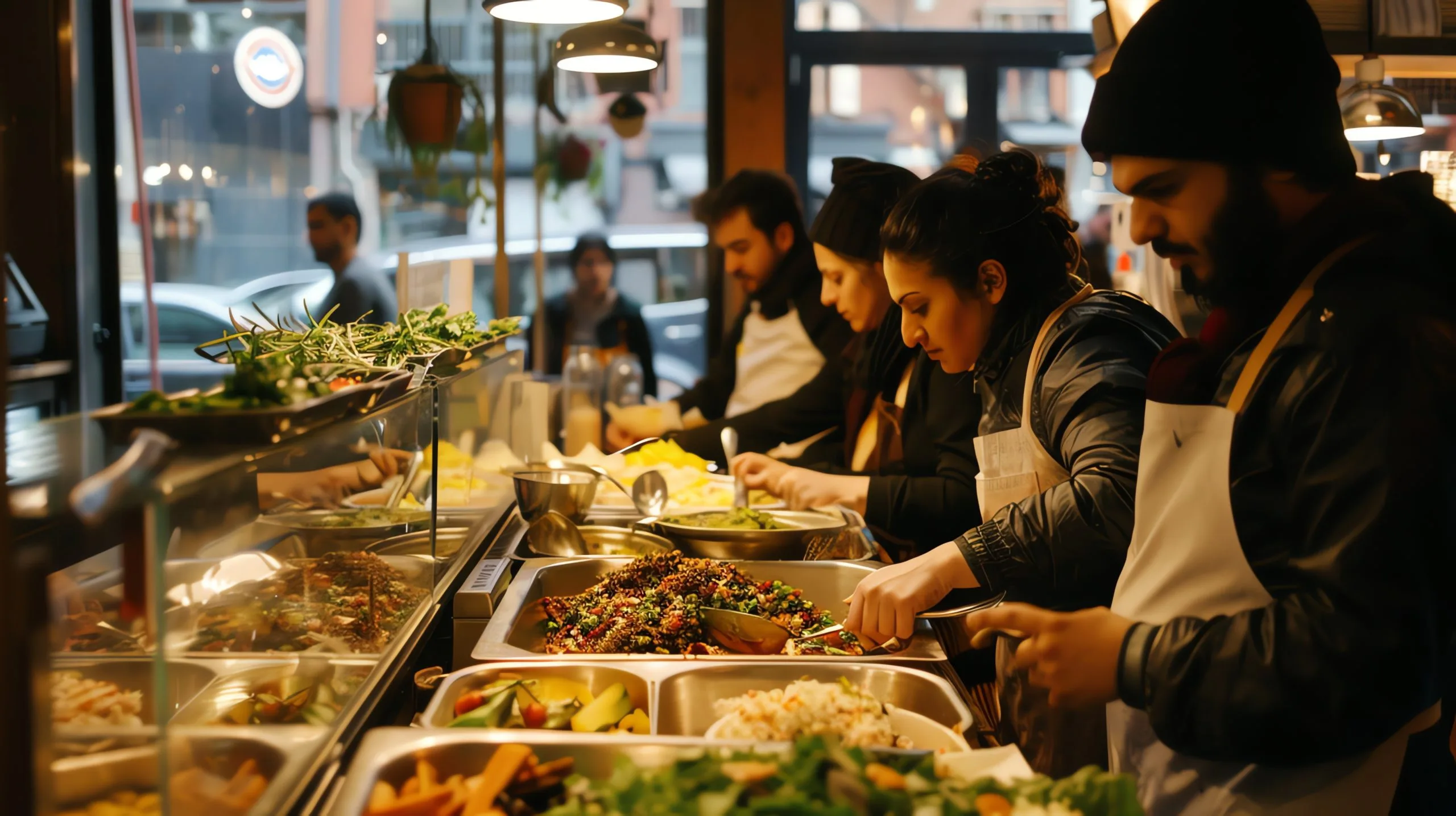
The USA foodservice market is expanding as consumers continue to spend on restaurants, quick-service outlets, cafés, delivery meals, catering, and convenience-led dining formats. The market is estimated at around USD 1.61 trillion and is projected to reach nearly USD 2.70 trillion, supported by steady demand across dine-in, takeout, and digital ordering channels. Consumers increasingly expect fast service, menu variety, quality food, and flexible ordering options. As lifestyles remain busy, foodservice operators are becoming an important part of everyday meals, social dining, travel, and workplace consumption.
Key Growth Drivers of the USA Foodservice Market
Convenience Remains a Major Foodservice Driver
American consumers increasingly prefer meal options that save time without compromising taste, quality, or choice. Quick-service restaurants, fast-casual brands, cafés, food trucks, and grab-and-go outlets are benefiting from this shift. Busy work schedules, urban lifestyles, and higher demand for flexible meals are supporting growth across breakfast, lunch, dinner, and snack occasions. Convenience is no longer limited to speed; consumers also expect consistent quality, customization, and easy access across multiple channels.
Delivery, Takeout, and Digital Platforms Are Reshaping Demand
Food delivery apps, mobile ordering, loyalty programs, self-service kiosks, and online payment systems are changing how consumers interact with foodservice brands. Restaurants are investing in digital menus, app-based promotions, pickup shelves, ghost kitchens, and order-ahead services to improve customer experience. These tools help operators increase order frequency, reduce wait times, and serve consumers beyond traditional dine-in formats. Digital ordering has become especially important for quick-service, casual dining, and fast-casual restaurants.
Menu Innovation Is Strengthening Consumer Engagement
Foodservice operators are expanding menus with healthier meals, plant-based options, premium beverages, ethnic cuisines, limited-time offers, and value meals. This helps brands attract different consumer groups and respond to changing dietary preferences.
Government Support Is Focused on Food Safety, Labour, and Small Business Resilience
Government support for the USA foodservice market is linked to food safety regulation, small business assistance, workforce development, and nutrition standards. Federal and state agencies support restaurant operations through health inspection systems, food handling rules, wage and labour regulations, and business financing programs. Small Business Administration support and local grants can help restaurants manage expansion, equipment investment, and recovery from economic disruptions. These frameworks help maintain consumer trust while supporting operational stability across the sector.
Competitive Landscape Is Shaped by Chains, Independents, and Digital Platforms
The USA foodservice market is highly competitive, with quick-service chains, fast-casual brands, casual dining restaurants, independent operators, cafés, catering firms, and delivery platforms competing for consumer spending. Competition is shaped by pricing, menu quality, convenience, brand loyalty, delivery reach, location strength, and digital engagement. Large chains benefit from scale, technology, and marketing power, while independent restaurants compete through local identity, specialty menus, and personalized service. Operators that combine value, speed, and customer experience are better positioned.
Market Challenges in the USA Foodservice Market
Rising Operating Costs Pressure Profitability
Foodservice operators face higher costs for ingredients, rent, utilities, packaging, insurance, and wages. Inflation can reduce margins and make menu pricing more difficult, especially for value-focused restaurants.
Labour Availability Remains a Persistent Challenge
Restaurants often face challenges in hiring, training, and retaining staff. Labour shortages can affect service quality, operating hours, and customer satisfaction, pushing many operators to invest in automation and digital tools.
Future Outlook
The USA foodservice market is expected to grow as consumers continue to combine dine-in experiences with delivery, takeout, and mobile ordering. Future opportunities will likely emerge in fast-casual dining, premium quick-service formats, healthy meals, ethnic cuisines, digital loyalty programs, and technology-enabled restaurant operations. Operators will focus on balancing affordability with quality as consumer spending remains selective. Businesses that improve efficiency, personalize customer engagement, manage costs, and strengthen omnichannel ordering are likely to capture stronger long-term growth.
Consultants at Nexdigm, in their latest publication “USA foodservice market outlook to 2035,” analyze the sector By Service Type (Outlet Density, Average Ticket Size, Throughput Capacity), By Cuisine Type (Menu Diversity, Consumer Preference Index, Average Spend Per Visit)
Nexdigm suggests that businesses should prioritize omnichannel ordering, menu innovation, cost-efficient operations, and stronger digital customer engagement to capture growth in the USA foodservice market.
To take the next step, simply visit our Request a Consultation page and share your requirements with us.
Harsh Mittal
+91-8422857704
[email protected]