
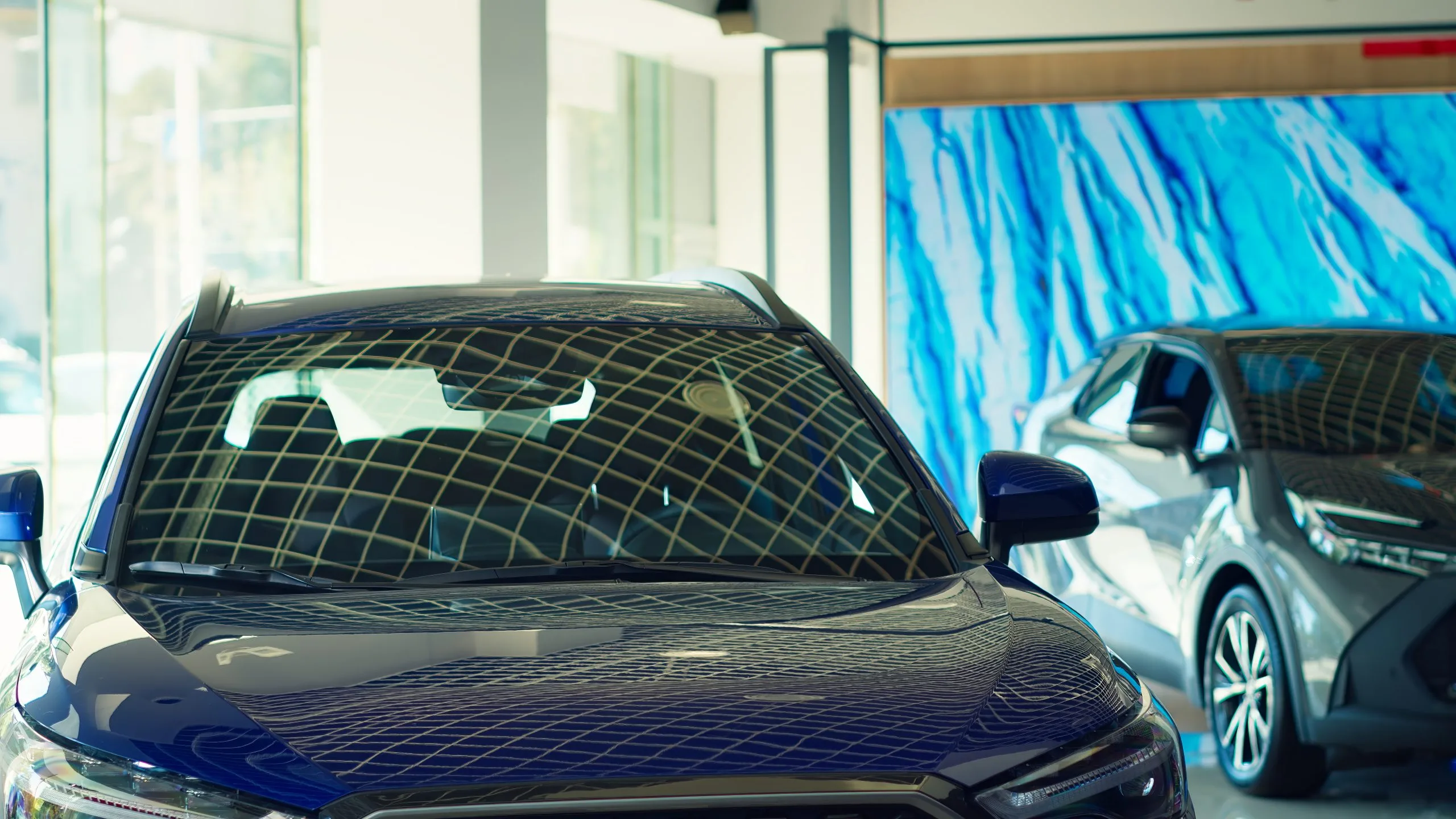
Grilles are no longer just a design feature they’re integral to vehicle performance, safety, and technology. As the USA automotive industry continues to thrive, with millions of vehicles produced each year, grilles are evolving to meet the growing demands for aerodynamics, sensor integration, and visual appeal. With the rise of electric vehicles (EVs) and connected cars, the grille market is being reshaped, with new trends and innovations leading the way, in the coming years. As automakers prioritize efficiency and aesthetics, grilles will continue to play a key role in enhancing both vehicle functionality and brand identity. The integration of smart technologies and lightweight materials will further drive the evolution of grilles, making them a crucial component for future automotive designs.
Market Growth drivers of the USA Grilles Industry
Bold New Designs and Consumer Preferences
Vehicle design is constantly evolving, and grilles are playing a larger role in that transformation. For consumers, grilles are more than just functional; they’re a way to express style and brand identity. As SUVs and crossovers continue to dominate U.S. sales, the demand for distinctive, eye-catching grilles has increased. These vehicles larger, more prominent grilles are becoming a key selling point. Grilles are now often designed to enhance vehicle aesthetics, helping automakers stand out in an increasingly competitive market.
Functionality Meets Innovation: The Rise of Smart Grilles
Grilles is also becoming smarter. Thanks to innovations like active grille shutters, which are open and close to optimizing airflow and improving fuel efficiency, grilles are evolving beyond just being passive components. These systems not only enhance vehicle performance but also contribute to energy savings, which is particularly important in the growing electric vehicle segment. The integration of sensors and cameras into grilles for advanced safety features like lane‑departure warnings and adaptive cruise control is also driving innovation.
Electric Vehicles and Lightweight Materials
As electric vehicles (EVs) gain popularity, they’re introducing new requirements for vehicle components, including grilles. Since EVs require less cooling, their grilles are designed with different needs in mind. These grilles are becoming more streamlined and often feature integrated sensors or cameras that support autonomous driving technologies. Additionally, automakers are increasingly using lightweight materials in grille construction to improve vehicle efficiency and range. This trend is helping the USA grille market grow, with EV manufacturers pushing for materials that are both durable and energy efficient.
The USA Government Support Shaping the Grilles Market
Government regulations play a significant role in driving the design of automotive components, and grilles are no exception. The National Highway Traffic Safety Administration (NHTSA) and other regulatory bodies ensure that grilles meet strict safety standards, including impact resistance and visibility. Additionally, with increasing focus on fuel efficiency and emissions reductions, regulations such as Corporate Average Fuel Economy (CAFE) standards are encouraging automakers to adopt designs that reduce drag and improve aerodynamics. Environmental guidelines also push the industry toward sustainable materials, making eco-friendly grilles more popular.
Competitive Insights of the USA Grilles Market
The competitive USA grilles market is driven by major suppliers like Magna International, Faurecia, and Plastic Omnium, who provide cutting-edge solutions to automakers. These players are at the forefront of innovation, developing advanced grille systems that not only enhance a vehicle’s look but also improve functionality with integrated sensors and active grille shutters. At the same time, aftermarket companies are offering customization options, giving consumers more choices for personalization. Companies with strong ties to OEMs and the ability to adapt to new vehicle platforms will maintain a competitive edge.
Major Challenges Faced by the USA Grilles Market
Balancing Cost with Innovation
While the demand for innovative grille features, such as active shutters and integrated sensor systems, is growing, manufacturers face the challenge of keeping production costs in check. New technologies and materials increase the cost of manufacturing, which could affect vehicle pricing. Automakers must find ways to balance these technological advancements with the need to keep vehicles affordable, especially for mass-market models.
Supply Chain Disruptions and Material Availability
Like many industries, the automotive grille market faces challenges in sourcing raw materials. Fluctuations in the availability and cost of materials, such as high-strength steel, polymers, and aluminum, can create disruptions in production schedules. Additionally, the integration of advanced components into grilles, like sensors and cameras, requires precision manufacturing and careful supply chain coordination. Ensuring reliable material sourcing will be key for grille manufacturers to meet rising demand and maintain production timelines.
Future Outlook
The USA grilles market is on track for steady growth, driven by vehicle production, design trends, and new technological requirements. As electric vehicles and advanced driver-assistance systems (ADAS) continue to rise in popularity, grilles will evolve to meet these needs with more integrated sensors, cameras, and aerodynamic solutions. In addition to this, consumer demand for personalized designs and enhanced comfort will further shape the market. In the coming years, we can expect grilles to be a key component of vehicle performance and aesthetics, supporting both functional and technological innovations while becoming more sustainable.
Consultants at Nexdigm, in their latest publication USA Grilles Market Outlook 2030, analyze the sector by System Type (Automotive Front Grilles, HVAC Ventilation Grilles, Architectural Decorative Grilles and Industrial Airflow Grilles), by Procurement Channel (Direct OEM Supply Contracts, Construction Material Distributors, Automotive Aftermarket Retailers.
Nexdigm suggests that businesses in the USA should focus on integrating advanced technologies like active grille shutters, enhancing aerodynamic performance, and embracing sustainable materials to stay competitive in the evolving automotive grilles market.
To take the next step, simply visit our Request a Consultation page and share your requirements with us.
Harsh Mittal
+91-8422857704