
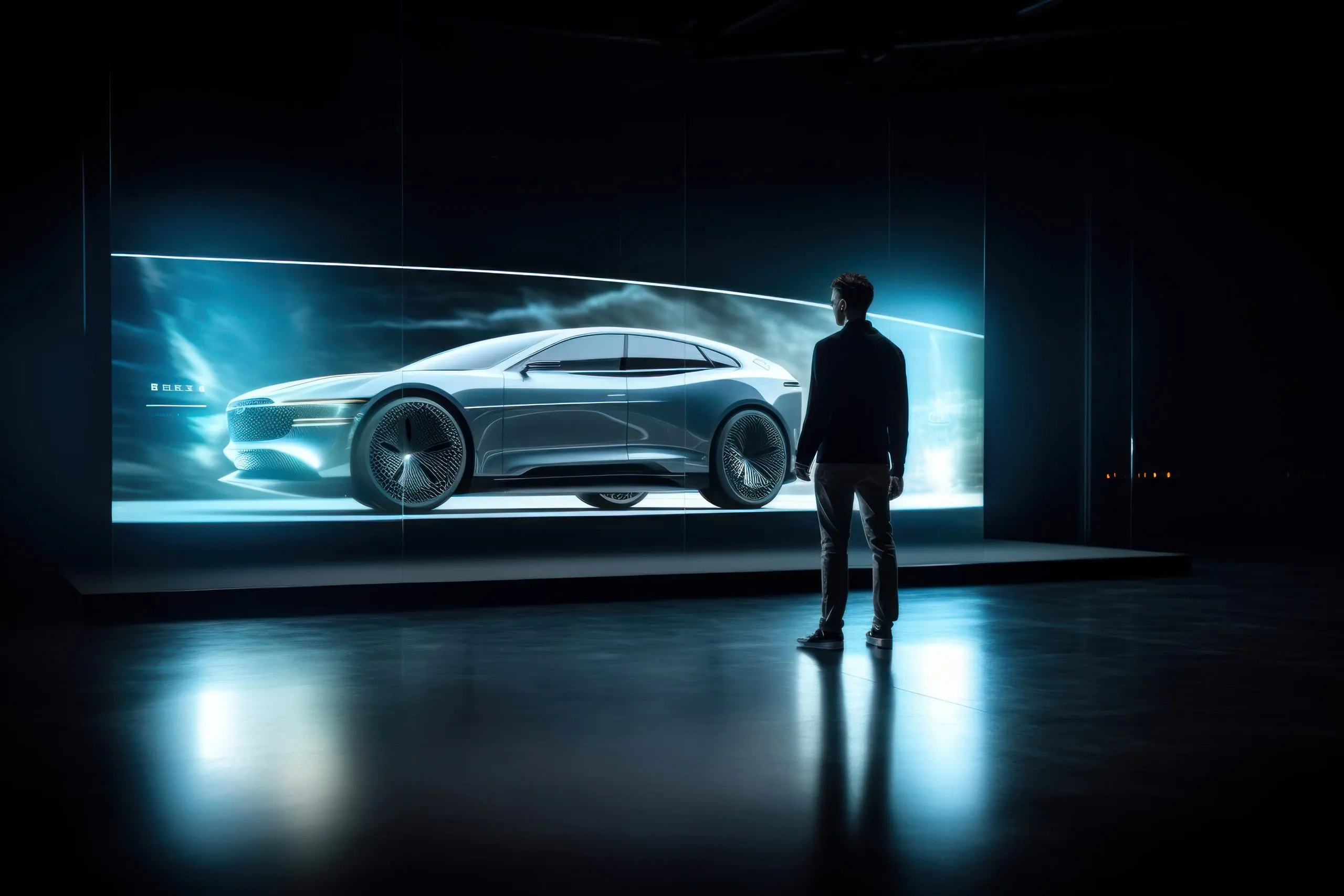
The U.S. head-up displays (HUD) market is steadily gaining traction as vehicles become more digital and safety-focused. HUD systems project key driving information such as speed, navigation, and alerts directly onto the windshield, helping drivers stay focused on the road. The North American HUD market is growing rapidly. This growth reflects rising demand for connected vehicles and advanced safety technologies. Consumers are increasingly prioritizing driving comfort and safety, which is making HUDs more relevant than ever. At the same time, automakers are embedding these systems into both premium and mid-range vehicles.
Key Factors Driving Growth in the USA Head-up Displays Market
Strong Focus on Road Safety and Reduced Distraction
Safety is one of the biggest reasons HUDs are becoming more popular. By displaying information directly in the driver’s line of sight, they help reduce distractions and improve reaction time. With ADAS features becoming standard in new vehicles, HUD integration is also increasing. This is especially important in urban driving conditions where quick decision-making is critical. The growing awareness of road safety among consumers is further accelerating adoption. Automakers are also using HUDs as part of their safety branding strategies.
Rising Demand for Connected and Premium Vehicles
Modern vehicles are becoming more digital, and HUDs fit naturally into this trend. Drivers now expect seamless integration of navigation, entertainment, and vehicle data in real time. Luxury vehicles are leading adoption, especially with augmented reality HUDs (AR-HUDs) that enhance navigation clarity. These features are increasingly seen as a standard expectation in premium cars. Consumers are also willing to pay extra for enhanced in-cabin experiences. This is pushing automakers to differentiate through advanced display technologies.
Advancements in Display and Projection Technology
HUD technology has improved significantly over the last few years, making displays clearer, brighter, and more responsive. Innovations like laser projection and AR overlays are improving usability. Costs are also gradually coming down, which is helping expand adoption beyond luxury segments. This is expected to open new opportunities in mid-range vehicles. Better software integration is also making HUDs more interactive and intuitive. As a result, they are becoming a core part of modern digital cockpits.
US Government’s Support and Safety-Driven Regulations to drive Head up Displays Market
Government agencies in the U.S. are indirectly supporting HUD adoption through stricter road safety and ADAS-related regulations. The focus is on reducing driver distraction and improving road safety outcomes. Organizations like NHTSA are encouraging technologies that enhance situational awareness. This creates a favorable environment for HUD integration in new vehicles. In addition, smart mobility initiatives are pushing automakers toward connected and digital vehicle ecosystems. HUDs are becoming a natural part of this transition.
Competitive Landscape of the USA HUD Market
The market is highly competitive, with global automotive suppliers and tech companies investing heavily in innovation. Companies are focusing on improving display clarity, AR capabilities, and system affordability. Automakers are increasingly partnering with technology providers to develop next-generation HUD systems. Competition is especially strong in electric and autonomous vehicle segments. Product differentiation is becoming key, especially in premium vehicles. As a result, innovation cycles are becoming faster.
Market Challenges Slowing Head Up Displays Adoption in the US
High Cost of Advanced HUD Systems
Advanced AR-based HUDs remain expensive, limiting their adoption mostly to premium vehicles. High development and integration costs continue to be a barrier for mass-market expansion. Manufacturers are working to reduce costs through economies of scale. However, affordability remains a key concern for wider penetration.
Technical and Visibility Limitations
HUD performance can sometimes be affected by sunlight glare, windshield compatibility, and projection alignment. These issues impact user experience in certain conditions. Standardization across vehicle platforms is still evolving, which slows down widespread adoption. Continued innovation is needed to improve consistency and reliability.
Future Outlook
The USA head-up displays market is expected to grow steadily as vehicles become more connected and intelligent. HUDs will play a bigger role in delivering real-time, driver-focused information. By next decade, the market is likely to approach USD 2 billion, supported by rising EV adoption and advancements in AR technology. The shift toward digital cockpits will further strengthen demand. In the long term, HUDs are expected to become a standard feature even in mid-range vehicles. This reflects a broader transformation toward safer, smarter, and more immersive driving experiences.
Consultants at Nexdigm, in their latest publication USA Head Up Displays Market Outlook 2030, analyze the sector by Technology Type (Combiner HUD, Windshield HUD, Augmented Reality HUD), by Vehicle Type (Passenger Cars, Light Commercial Vehicles, Heavy Commercial Vehicles, Aviation and Specialty Vehicles).
Nexdigm suggests that businesses should strengthen operational resilience, invest in digital transformation, and enhance supply chain efficiency to navigate ongoing market uncertainties. It also emphasizes adopting data-driven decision-making and ensuring regulatory compliance to support sustainable long-term growth and competitiveness.
To take the next step, simply visit our Request a Consultation page and share your requirements with us.
Harsh Mittal
+91-8422857704