
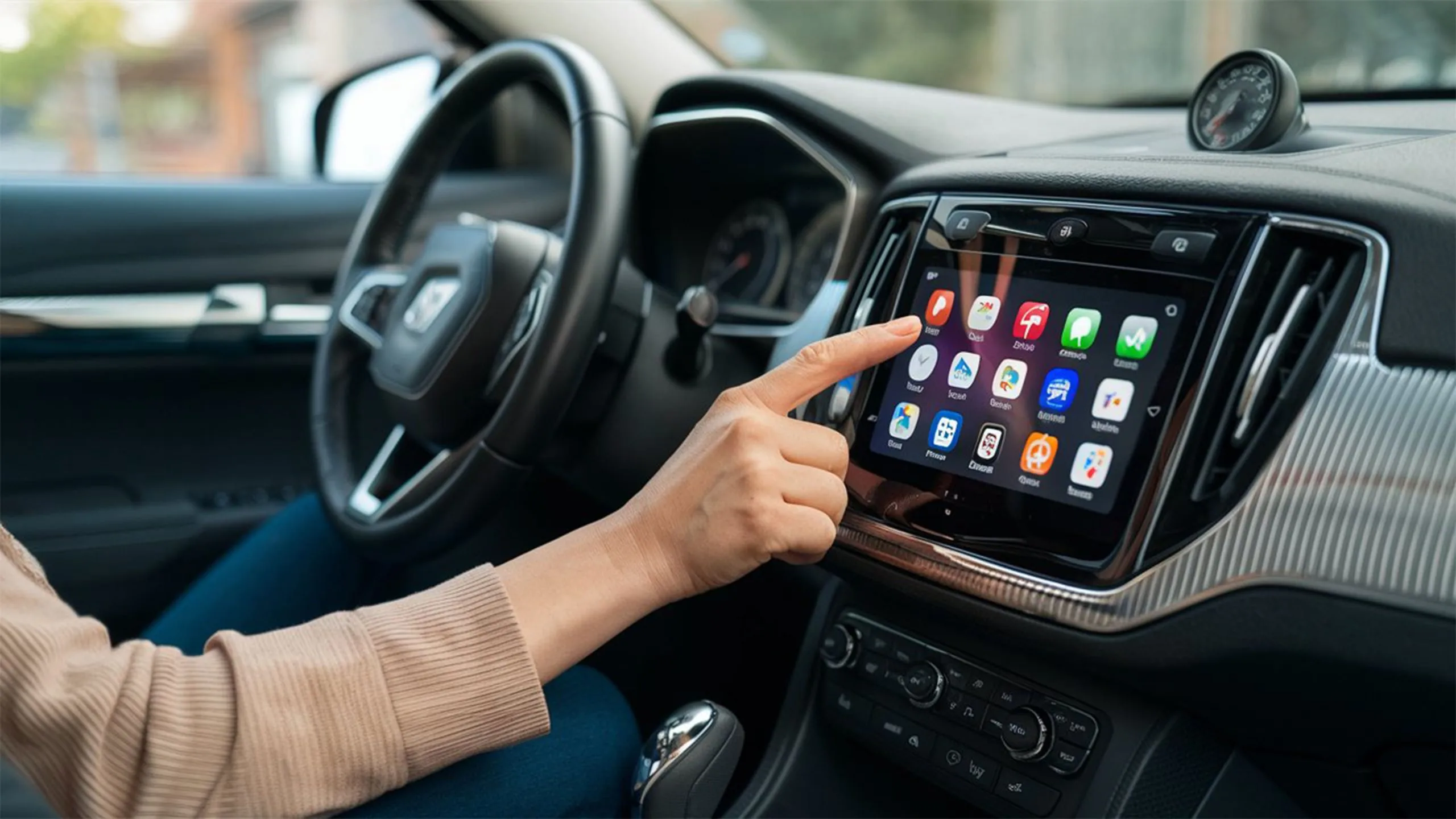
The USA automotive infotainment systems market has moved far beyond basic radio and navigation units. Cars today resemble digital hubs on wheels, where software plays as much of a role as mechanical engineering. By 2025, most new vehicles sold across the country featured large touchscreens, voice-enabled controls, and seamless smartphone connectivity. What stands out is how quickly consumer expectations have shifted. Buyers no longer compare cars only on mileage or horsepower; they look at screen responsiveness, app compatibility, and even user interface design. This shift is closely tied to the rise of electric vehicles and connected technologies. EV manufacturers, in particular, have pushed the boundaries with minimalist interiors dominated by screens and software-driven features. The result is a market where infotainment is no longer an add-on but a central part of the driving experience.
What’s Driving the Infotainment Systems Market in the USA?
Consumer Expectations Are Shaping In-Car Experiences
Drivers in the United States now expect their vehicles to behave like an extension of their digital lives. Features such as wireless smartphone mirroring, real-time traffic updates, and voice assistants have become standard in mid- to high-end vehicles. In practice, this means automakers are under pressure to deliver faster, smoother, and more intuitive systems. A laggy touchscreen or clunky interface can easily turn into a deal breaker during purchase decisions. There is also a growing preference for personalization. Drivers want systems that remember preferences, suggest routes, and even adapt entertainment options based on usage patterns. This demand is quietly pushing manufacturers to invest more in software than they did a decade ago.
Electric and Autonomous Vehicles Are Redefining Cabin Space
Electric vehicles have changed how car interiors are designed. Without the constraints of traditional engines, manufacturers have more flexibility to rethink cabin layouts. Large central displays, multi-screen dashboards, and integrated controls are becoming common. Some models even reduce physical buttons almost entirely. Looking ahead, autonomous driving introduces a different layer of opportunity. When drivers are no longer fully engaged in driving, infotainment systems shift from being supportive tools to primary engagement platforms. Long commutes could turn into time for streaming, video calls, or even gaming. That said, there is still a balance to strike between entertainment and safety, which regulators continue to monitor closely.
Connectivity and 5G Are Unlocking Real-Time Capabilities
The expansion of 5G networks across the US has started to influence how vehicles handle data. Faster connectivity allows infotainment systems to access cloud-based services with minimal delay. Navigation updates, remote diagnostics, and software upgrades can happen almost instantly. Another interesting development is vehicle-to-everything communication. Cars can exchange data with traffic systems, nearby vehicles, and infrastructure. While still evolving, this capability could eventually reshape navigation and safety features. On the ground, the challenge lies in ensuring consistent network coverage, especially outside major urban centers.
Government-Led Initiatives and Regulatory Support
Public policy has played a quieter but important role in shaping this market. Federal and state-level programs supporting connected and autonomous vehicles have encouraged testing and early adoption. Safety regulations are also becoming more detailed, particularly around driver distraction and system reliability. Cybersecurity has gained attention as well. Regulators are increasingly focused on how automakers handle user data, especially as infotainment systems collect and process large volumes of personal information. Compliance is not optional, and companies that fall short risk both penalties and reputational damage.
Market Competition and Key Players
Competition in this space has become more layered than before. Traditional automotive suppliers such as Harman International, Bosch, and Continental AG continue to dominate hardware integration. At the same time, software-driven players are gaining influence. Tech companies like Apple and Google have embedded themselves deeply through smartphone integration platforms. This creates an interesting dynamic. Automakers want control over the user experience, but they also rely on familiar ecosystems that consumers already trust. Partnerships have become the norm rather than the exception. Automakers increasingly collaborate with software firms to co-develop interfaces and services. In many ways, the competition is shifting toward who can deliver the most seamless digital experience rather than who builds the best hardware.
Cybersecurity Risks and System Complexity
A common challenge in this market is the growing vulnerability of connected systems. As vehicles become more software-heavy, the number of potential entry points for cyber threats increases. Protecting user data while maintaining system performance is not straightforward. There is also the issue of complexity. Integrating multiple technologies such as AI, connectivity modules, and cloud services often leads to higher development costs and longer testing cycles. Smaller manufacturers, in particular, may struggle to keep pace with these demands.
Future Outlook
The next few years will likely see infotainment systems becoming even more central to vehicle design. By 2030, most vehicles on US roads could feature highly integrated digital interfaces with continuous software updates and subscription-based services. Features such as augmented reality navigation and advanced voice recognition may become more common, especially in premium segments. What stands out is the shift toward software-defined vehicles. Instead of fixed features at the time of purchase, cars will evolve over time through updates. This opens new revenue streams for automakers but also raises questions about long-term ownership costs for consumers.
Consultants at Nexdigm, in their latest publication “USA Infotainment Systems Market Outlook to 2030,” analyze the market by Component (Hardware, Software), By Vehicle Type (Passenger Vehicles, Commercial Vehicles, Electric Vehicles), By Connectivity (Embedded, Tethered, Integrated), and By Sales Channel (OEM, Aftermarket). Nexdigm notes that companies focusing on intuitive software design, robust cybersecurity measures, and flexible upgrade models are more likely to remain competitive as the market matures.
To take the next step, simply visit our Request a Consultation page and share your requirements with us.
Harsh Mittal
+91-8422857704