
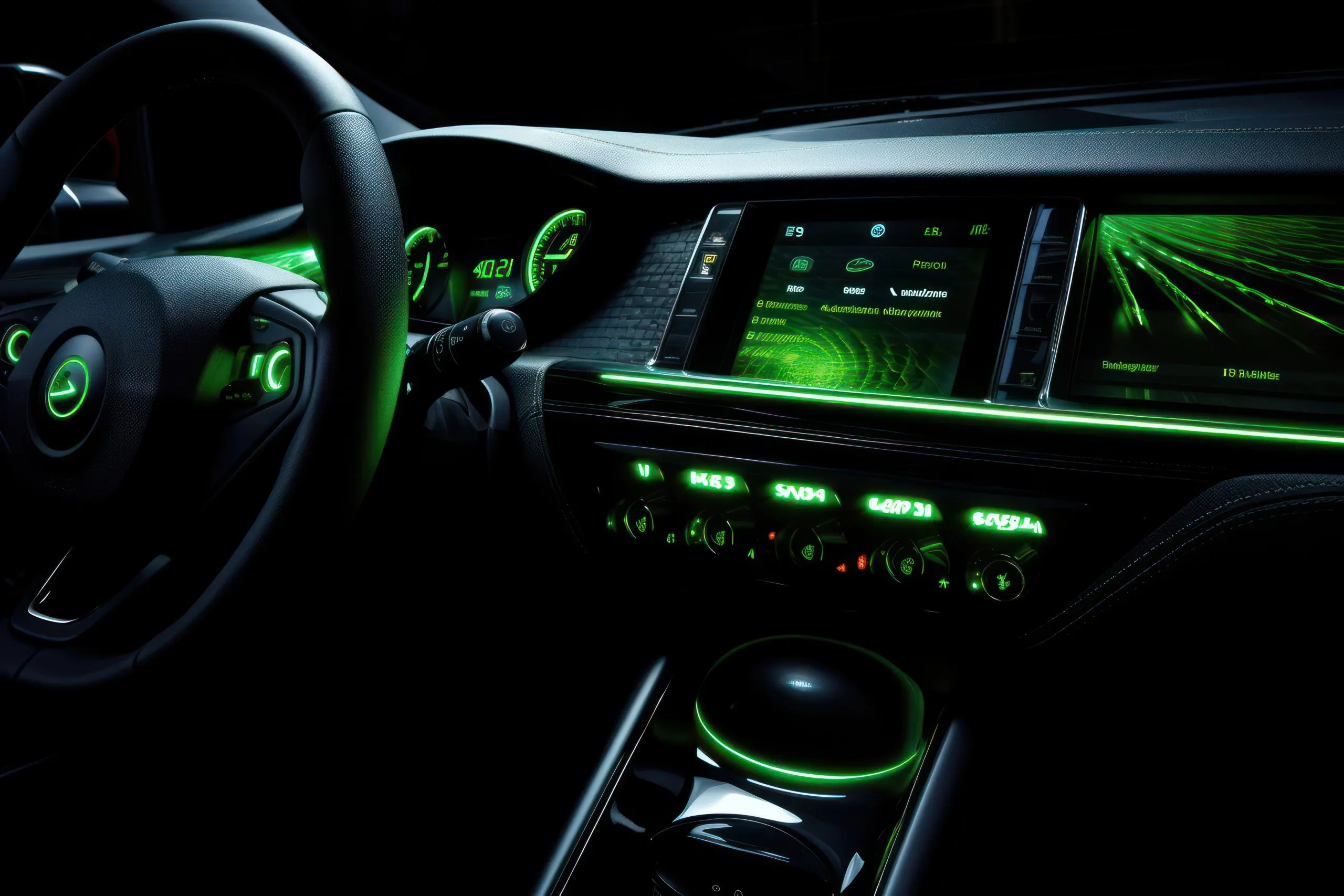
The United States interior lighting market has moved well beyond basic illumination. Over the past few years, lighting has become part of how buildings function, feel, and even communicate. By 2025, LED technology had already taken a dominant share of installations, not just because of efficiency but due to its flexibility in design and control. What is interesting is how lighting decisions are no longer purely technical. Architects, facility managers, and even homeowners are now thinking about mood, productivity, and long-term operating costs at the same time. That shift is shaping the market in ways that go beyond simple replacement cycles.
What’s Driving the Interior Lighting Market in the USA?
Smart Lighting Moves from Luxury to Standard
A few years ago, smart lighting felt like an add-on for high-end homes. That perception has changed. Today, even mid-range residential projects include app-controlled lighting or voice-enabled systems as part of the default setup. In commercial spaces, the logic is more practical than aesthetic. Offices use automated lighting schedules to cut energy use after hours, while retail stores adjust brightness and color tones to influence customer behavior. In practice, once users experience this level of control, reverting to traditional switches feels outdated.
Energy Codes Are Quietly Reshaping Demand
Energy regulations rarely grab headlines, yet they have a strong influence on what gets installed. Federal guidelines, along with state-level building codes, have gradually eliminated inefficient lighting options from the market. Programs backed by the U.S. Department of Energy have pushed both consumers and businesses toward high-efficiency alternatives. On the ground, this often shows up as retrofit projects in older office buildings where lighting upgrades are bundled with broader energy-saving renovations. The cost savings are real, but compliance is often the initial trigger.
Renovation Activity Keeps the Market Active
New construction gets attention, but a large portion of demand comes from upgrading existing spaces. Schools, hospitals, and office complexes built decades ago are being modernized, and lighting is one of the first systems to be replaced. There is a practical reason for this. Lighting upgrades are relatively quick to implement and deliver visible results, both in energy bills and user comfort. For example, hospitals are increasingly adopting tunable lighting systems that adjust throughout the day to support patient recovery cycles. These are small changes, yet they add up across large facilities.
Government-Led Initiatives and Policies
Public policy continues to shape how lighting technologies evolve in the U.S. Incentives, rebates, and certification programs have made energy-efficient products more accessible than they would otherwise be. ENERGY STAR labeling, for instance, has become a familiar reference point for buyers trying to balance cost and performance. While regulations can sometimes slow down product approvals, they also create a baseline of quality that benefits the market in the long run. Manufacturers have had to innovate within these boundaries, which has led to better-performing and longer-lasting products.
Market Competition and Key Players
Competition in this space is intense, and it is not limited to pricing. Companies such as Signify and Acuity Brands are investing heavily in connected lighting platforms that integrate with broader building management systems. Meanwhile, firms like Cree Lighting focus on performance improvements in LED technology, pushing efficiency and lifespan further. Hubbell Incorporated brings strength in industrial and commercial segments, where reliability often matters more than design. What stands out is that differentiation is becoming harder. Many products offer similar efficiency levels, so companies are leaning on software, controls, and service models to stand apart. This shift suggests that lighting is gradually merging with the wider smart building industry rather than remaining a standalone category.
Upfront Costs Still Influence Buying Decisions
Even with falling LED prices, advanced lighting systems can feel expensive at the outset. Smart controls, sensors, and integration with other building systems add layers of cost that not every buyer is ready to absorb. A common challenge is convincing smaller businesses to look beyond the initial investment and consider lifecycle savings. In reality, many projects stall not because the technology lacks value, but because the payback period feels uncertain to decision-makers.
Future Outlook
Looking ahead, the direction of the U.S. interior lighting market appears steady but not without complexity. Smart lighting will likely become standard across most new developments, especially as integration with IoT platforms becomes simpler. At the same time, human-centric lighting is gaining attention, particularly in workplaces where employee well-being has become a measurable priority. There is also a growing interest in data-driven lighting systems. Sensors embedded in fixtures can track occupancy, daylight levels, and even movement patterns within buildings. This information can be used to optimize not just lighting, but overall space utilization. That said, adoption may vary depending on cost sensitivity and awareness. By 2030, lighting in the U.S. will likely be less about fixtures and more about systems. The challenge for businesses will be balancing innovation with practicality, ensuring that new technologies deliver clear, measurable benefits rather than just added complexity.
Consultants at Nexdigm, in their latest publication “USA Interior Lighting Market Outlook to 2030,” analyze the market by Product Type (LED Lamps, Smart Lighting Systems, Fixtures and Luminaires), By Application (Residential, Commercial, Industrial), and By Distribution Channel (Online Retail, Offline Retail, Direct Sales). Nexdigm notes that companies focusing on integrated solutions, rather than standalone products, are more likely to capture long-term value in this evolving market.
To take the next step, simply visit our Request a Consultation page and share your requirements with us.
Harsh Mittal
+91-8422857704