
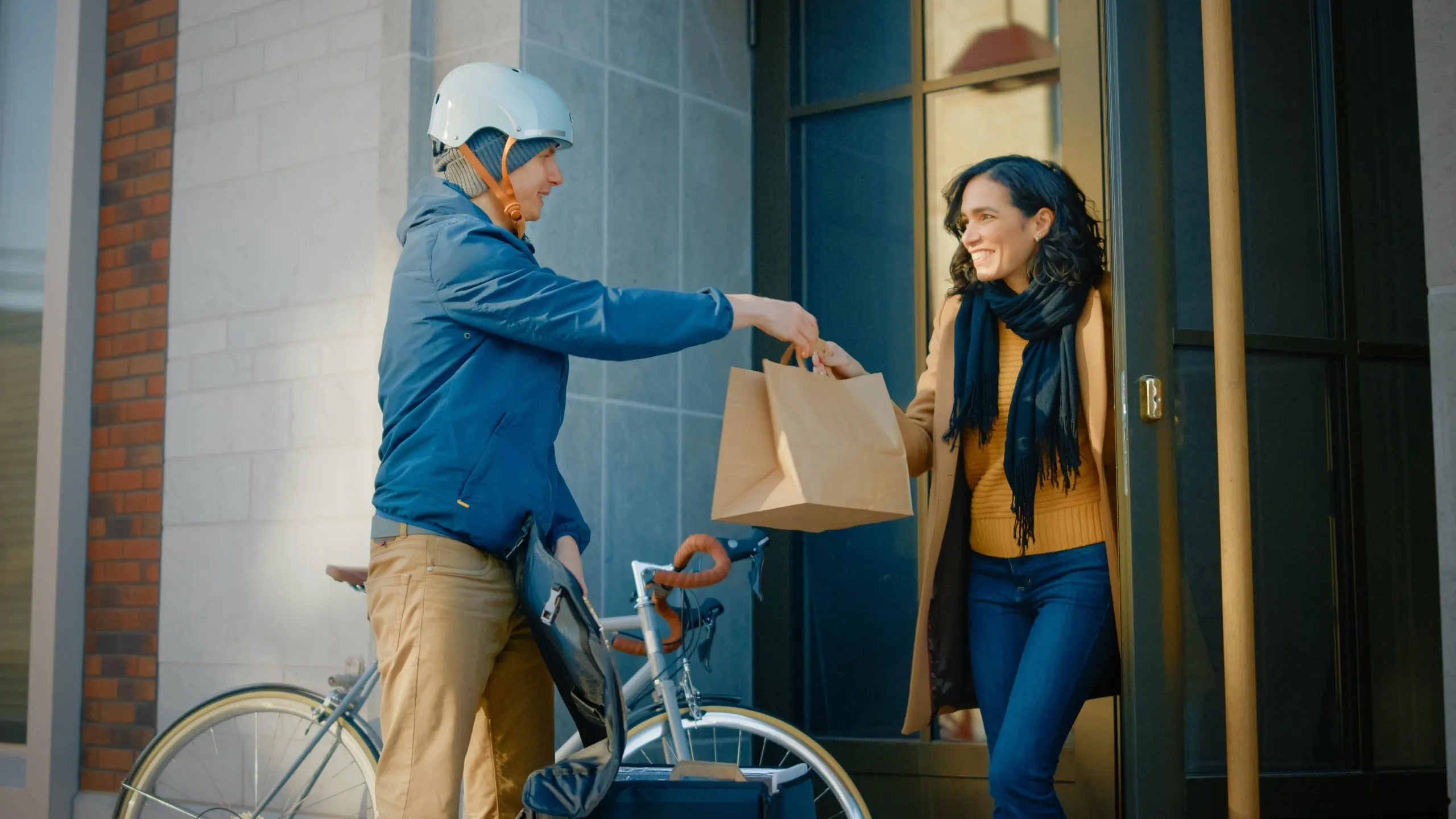
As the USA continues to embrace e-commerce, the last-mile delivery market is on a strong growth trajectory, expected to hit $60 billion in the upcoming years. The demand for faster, more efficient, and sustainable delivery options is higher than ever, driven by changing consumer expectations. The last-mile segment, which refers to the final leg of the delivery journey from a local distribution center to the customer’s doorstep, is now a critical part of the logistics landscape. With innovations in technology and a greater focus on environmental responsibility, last-mile delivery services are evolving rapidly to meet these growing demands. Consumers are increasingly expecting same-day and next-day delivery, which is pushing logistics companies to adapt and modernize their operations.
Key Drivers of the Last-Mile Delivery Boom in the USA
The E-Commerce Surge and Consumer Demand for Speed
E-commerce growth is by far the most significant driver behind the boom in last-mile delivery. Online retail sales in the U.S. are expected to exceed rapidly, which directly influences how goods are delivered. Consumers now expect faster deliveries, with same-day or next-day becoming the norm. To meet this, companies are investing heavily in expanding their delivery networks and building fulfillment centers closer to customers. The rise of subscription-based services and the demand for quick, convenient shopping experiences are fueling the need for more sophisticated, faster last-mile logistics solutions.
Innovation and Technology Are Changing the Game
Technology is transforming last-mile delivery, making it faster, smarter, and more efficient. The rise of AI-driven route optimization systems and real-time tracking allows delivery companies to reduce delays and improve customer satisfaction. AI and machine learning can now predict traffic patterns, adjust delivery routes, and allocate resources in real-time, ensuring that goods arrive as quickly and cost-effectively as possible.
Sustainability: Green Logistics for a Better Future
Sustainability is a driving force for last-mile delivery providers, with consumers and businesses alike prioritizing eco-friendly practices. Companies are adopting electric delivery vans, green packaging, and carbon-neutral delivery options to reduce their environmental impact. As urban congestion and pollution become more pressing issues, the move towards sustainable logistics solutions is not only about consumer demand but also about regulatory pressures. The U.S. government has rolled out incentives for electric vehicle adoption and renewable energy initiatives that encourage logistics companies to switch to more sustainable delivery methods.
The USA Government Support enhancing Last Mile Delivery Market
The U.S. government is playing a significant role in shaping the future of last-mile delivery through investments in infrastructure and sustainability initiatives. The Infrastructure Investment and Jobs Act, allocates funds to improve transportation networks, including roads, bridges, and EV charging stations. This will make last-mile delivery operations more efficient, reducing transit time and increasing delivery reliability. Government incentives for electric vehicles (EVs) and renewable energy solutions are also encouraging logistics providers to adopt greener technologies, contributing to the transition toward more sustainable last-mile operations.
Competitive Insights of the USA Last Mile Delivery Market
The competitive landscape of the USA last-mile delivery market is diverse, with both established giants and newer, nimble players making their mark. Major companies like FedEx, UPS, and DHL continue to dominate, expanding their delivery networks and investing in technology to stay ahead. However, innovative startups such as Postmates, Instacart, and DoorDash are quickly becoming significant players by offering faster, on-demand services that cater to the evolving needs of consumers. Additionally, e-commerce behemoths like Amazon and Walmart have made substantial investments in their own last-mile delivery infrastructure, creating competition for traditional logistics providers and reshaping how deliveries are handled across the country.
Challenges in the US Last-Mile Delivery Market
Operational Costs and Limited Infrastructure
One of the biggest challenges facing the USA last-mile delivery market is the high cost of operations. Fuel prices, the need for specialized vehicles, and the expansion of delivery networks all contribute to rising expenses. Smaller logistics companies, in particular, struggle to keep up with larger firms that can invest in advanced technologies and extensive fleets. Furthermore, last-mile delivery is often complicated by urban congestion and infrastructure limitations, which can result in delays and higher delivery costs.
Urban Delivery Challenges: Traffic and Parking Issues
Urban areas, while densely populated, present their own set of challenges for last-mile delivery. Traffic congestion, limited parking spaces, and difficulty accessing certain residential or business locations can delay deliveries and increase operational costs. Logistics companies are exploring innovative solutions, such as electric bikes, drone deliveries, and micro-fulfillment centers, to reduce delivery times and navigate urban obstacles more effectively. Providing fast, reliable service in crowded cities is an ongoing challenge, and only the most adaptable providers will thrive in this environment.
Future Outlook
The future of the USA last-mile delivery market looks promising, with rapid e-commerce growth, technological advancements, and an increasing focus on sustainability. The market is projected to grow significantly. The development and adoption of new technologies, such as AI-driven route optimization, electric vehicles, and autonomous delivery solutions, will continue to shape the market, offering companies ways to reduce costs while improving speed and efficiency. As consumers demand faster, more sustainable delivery options, last-mile delivery providers will continue to innovate and invest in new solutions. With strong government support, technological innovations, and increasing consumer expectations, the last-mile delivery market in the USA is set for exciting growth in the years to come.
Consultants at Nexdigm, in their latest publication USA Last Mile Delivery Market Outlook to 2035, analyze the sector by System Type (Same day Delivery System, Next Day Delivery System, Scheduled Delivery System, Crowdsourced System, Autonomous Delivery System), by Fitment Type (In house Delivery Fleet, Hybrid Delivery Networks, Crowdsourced Rider Networks).
Nexdigm suggests that businesses should form strategic partnerships with e-commerce platforms, local governments, and logistics providers to ensure seamless integration of services. As traffic congestion and workforce constraints remain challenges, businesses should explore alternatives like micro-fulfillment centers and crowdsourced delivery models to stay competitive in the evolving market.
To take the next step, simply visit our Request a Consultation page and share your requirements with us.
Harsh Mittal
+91-8422857704