
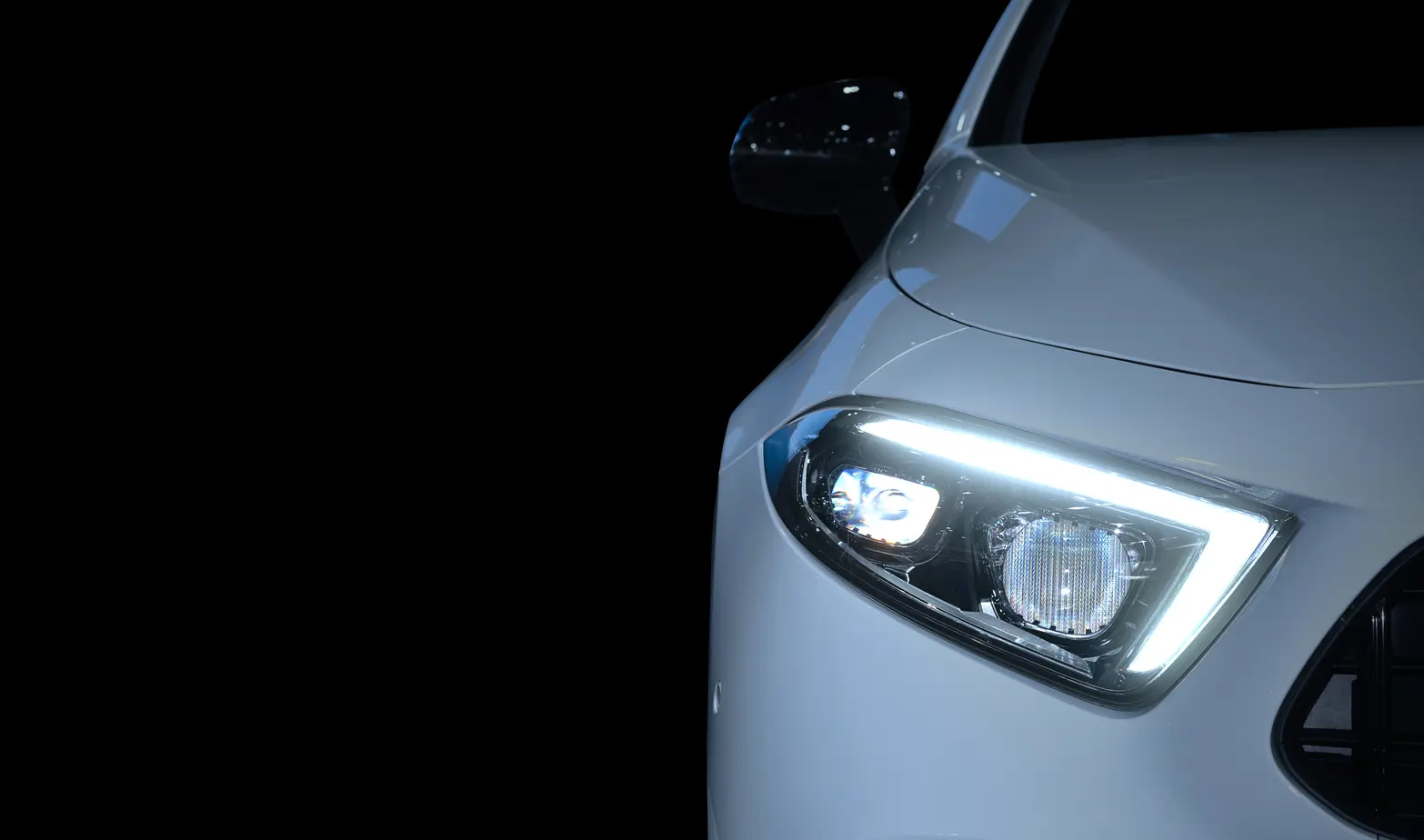
The USA LED headlights market is evolving as part of the broader automotive lighting ecosystem, driven by advancements in vehicle safety, energy efficiency, and smart technologies. LED lighting has become the dominant technology, accounting for over 46% of global automotive lighting revenue in 2023. In the U.S., the automotive lighting market is projected to reach approximately USD 6.2 billion by 2030, growing at a CAGR of around 5.8%. Increasing adoption of electric vehicles (EVs), adaptive lighting systems, and premium vehicle features is accelerating the shift toward LED headlights.
Key Market Drivers Shaping Growth of the USA LED Headlights Market
Rising Demand for Energy-Efficient Lighting
LED headlights consume significantly less power compared to halogen or xenon alternatives, making them ideal for modern vehicles, especially EVs. As EV adoption rises, manufacturers prioritize energy-efficient components to extend battery life. Globally, the LED automotive lighting market is projected to grow at strong rates, reflecting this transition toward efficiency-driven technologies.
Growing Focus on Vehicle Safety and Regulations
Road safety concerns and stringent regulatory frameworks in the U.S. are pushing automakers to integrate advanced lighting systems. LED headlights offer better illumination, longer lifespan, and improved visibility under adverse conditions. Regulatory mandates around visibility standards and adaptive beam technology are accelerating LED adoption. The overall automotive lighting market growth is significantly supported by safety-driven innovations and compliance requirements.
Technological Advancements and Smart Lighting Integration
The emergence of adaptive LED headlights, matrix lighting, and AI-enabled systems is transforming the market. Smart headlights that adjust beam patterns in real time enhance driving safety and user experience. The adaptive headlights segment alone is expected to witness strong growth, reaching over USD 12 billion globally by 2030. These innovations are increasingly being incorporated into both luxury and mid-range vehicles, expanding the market base.
Government Policies and Regulatory Initiatives Supporting LED Headlight Adoption
Government regulations in the United States play a critical role in shaping the LED headlights market. Agencies such as the National Highway Traffic Safety Administration (NHTSA) have introduced standards for encouraging advanced lighting systems, including adaptive driving beams. Additionally, policies promoting EV adoption indirectly boost LED demand, as these vehicles rely heavily on energy-efficient components. Such initiatives ensure compliance with safety norms while accelerating the transition from traditional lighting technologies to LEDs.
Competitive Landscape and Strategic Positioning of Key Market Players
The U.S. LED headlights market is moderately consolidated, with key global players actively competing through innovation and partnerships. Major companies include Bosch, Samsung Electronics, and Sony Corporation, among others. These firms focus on R&D investments, smart lighting solutions, and collaborations with automakers to maintain competitive advantages. OEMs dominate the market, accounting for a significant share of revenue due to direct integration of LED systems in new vehicles.
Key Challenges Impacting the Growth of the USA LED Headlights Market
High Cost of LED Systems
Despite their advantages, LED headlights remain more expensive than traditional alternatives. The higher upfront cost can limit adoption, particularly in budget vehicle segments. Industry reports highlight cost as a key restraint impacting wider penetration of LED lighting technologies.
Supply Chain and Integration Complexity
Advanced LED systems require sophisticated components and integration with vehicle electronics, leading to supply chain dependencies and higher production complexity. This can slow adoption, particularly for smaller manufacturers.
Future Outlook
The future of the USA LED headlights market appears strong, supported by steady growth in vehicle production, EV adoption, and technological innovation. The global headlight market is expected to exceed USD 11 billion by 2030, with LED technology leading to growth. Increasing penetration of smart and adaptive lighting systems, along with declining LED costs over time, will further accelerate adoption. As automakers continue to focus on safety, design, and energy efficiency, LED headlights are expected to become standard across most vehicle segments by 2030.
Consultants at Nexdigm, in their latest publication “USA LED Headlights Market Outlook 2030,” analyze the sector by Vehicle Type (Passenger cars, Light commercial vehicles, Heavy commercial vehicles), By Sales Channel (OEM fitment, Aftermarket replacement, Dealer-installed upgrades), and By Technology Type (Reflector LED headlights, Projector LED headlights, Matrix and adaptive LED headlights). Nexdigm suggests that businesses should align their strategies with evolving market dynamics by incorporating data-driven insights, tracking emerging technology trends, and adapting to shifting consumer preferences to remain competitive and future-ready.
To take the next step, simply visit our Request a Consultation page and share your requirements with us.
Harsh Mittal
+91-8422857704