
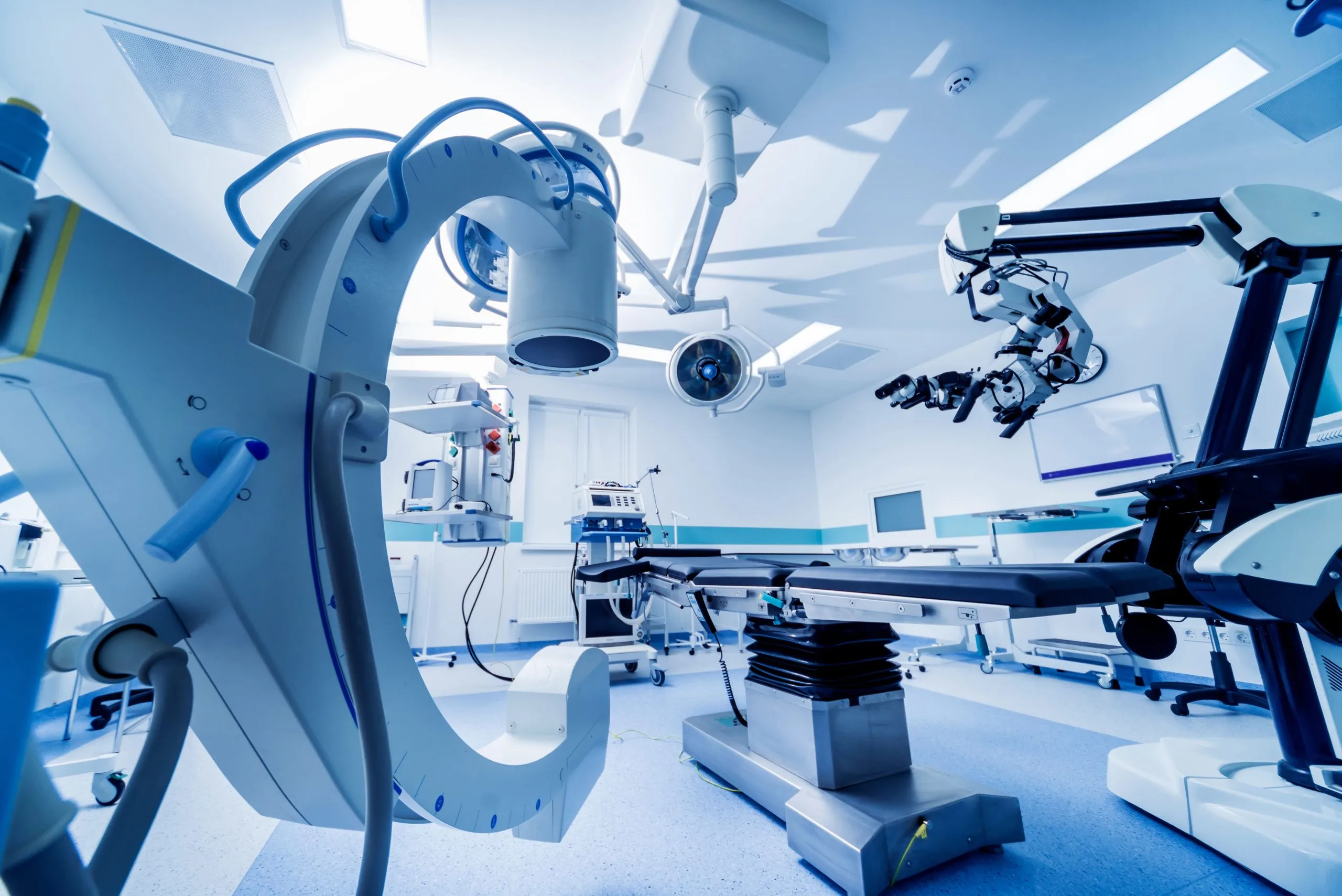
The USA medical devices market remains the benchmark for the global MedTech industry. Few countries combine clinical demand, investor appetite, hospital purchasing power, and research capability at the same scale. As of 2026, the United States continues to account for the largest share of worldwide device revenues, spanning imaging systems, surgical tools, implants, patient monitoring equipment, and digital care technologies. What makes this market especially influential is not just size. It is usually where new products are tested, commercialized, and scaled first. Hospitals are willing to trial premium technologies if they can improve outcomes or reduce long-term treatment costs. At the same time, insurers and procurement teams apply heavy pressure on pricing. That tension often shapes how products are designed and sold. Through 2035, demand should remain healthy as chronic disease rates climb, the population ages, and care shifts beyond hospital walls.
What’s Driving the Medical Devices Market in the USA?
AI, Robotics, and Smarter Clinical Tools
Artificial intelligence has moved well beyond the pilot stage. In radiology departments, software now helps flag suspicious scans faster, allowing specialists to prioritize urgent cases. Robotic-assisted surgery platforms are also gaining ground in urology, orthopedics, and general surgery, where precision can shorten recovery times. That said, technology adoption in practice is uneven. Large academic hospitals often move first, while smaller facilities hesitate because of capital costs and training requirements. Even so, the direction is clear: devices that combine hardware with software intelligence tend to command stronger interest than standalone equipment.
Aging Population and Higher Disease Burden
The demographic story matters just as much as innovation. Older adults need more cardiac care, joint replacements, mobility support, and regular monitoring. Meanwhile, diabetes, obesity, and respiratory illness continue to create long-term demand for infusion pumps, glucose systems, sleep devices, and vascular products. This creates recurring demand rather than one-time purchases. A knee implant leads to follow-up imaging. Cardiac patients often need remote monitoring. Home oxygen users may later require connected respiratory support. For manufacturers, recurring clinical need can be more valuable than a headline-grabbing launch.
Shift Toward Outpatient and Home Care
US healthcare providers have spent years trying to move treatment into lower-cost settings. Procedures once done in hospitals are now common in ambulatory surgical centers. Recovery at home, supported by connected monitoring devices, has become more acceptable to both providers and patients. That trend favors portable ultrasound systems, wearable ECG monitors, compact infusion devices, and easy-to-use diagnostic tools. Convenience matters, but reliability matters more. If a home-use device creates false alerts or is hard to operate, clinicians quickly lose confidence.
Government-Led Initiatives and Regulatory Support
Public policy still plays a major role. Agencies such as U.S. Food and Drug Administration continue refining faster review pathways for products that address unmet clinical needs. Breakthrough device programs have helped some companies reach the market sooner, especially in areas like cardiac care and diagnostics. There is also renewed attention on domestic production. Supply disruptions during recent years exposed dependence on overseas components, sensors, and consumables. In response, more manufacturers are evaluating US-based assembly or dual-sourcing models. Costs can be higher, but resilience now carries real value.
Market Competition
Competition is intense and often split between scale players and specialists. Major names include Medtronic, GE HealthCare, Abbott Laboratories, Stryker Corporation, and Johnson & Johnson MedTech. These firms dominate many premium categories because they can fund R&D, navigate regulation, and support hospitals after installation. Yet smaller firms still matter. Many breakthrough ideas in wearables, AI diagnostics, and minimally invasive treatment begin with niche innovators. Quite often, successful startups end up being acquired rather than competing independently for decades.
Pricing Pressure and Slow Procurement Cycles
A common challenge is that hospitals want better technology but dislike budget surprises. Capital committees can take months to approve purchases, especially for expensive imaging or robotic systems. Even clinically strong products may stall if payback is unclear. Reimbursement uncertainty adds another layer. If providers are not confident they will be paid appropriately for using a device, adoption slows. This is one reason some excellent technologies take longer to scale than outsiders expect.
Future Outlook
By 2035, the US market will likely look more connected, more software-led, and less dependent on hospital-only care models. Devices that feed data into clinical workflows should outperform products that operate in isolation. Remote monitoring, predictive maintenance for equipment, and personalized treatment tools are likely to become standard rather than novel. Manufacturing footprints may diversify, though not every product will return to domestic production. Cost realities still matter. The stronger probability is a blended model: critical components sourced closer to home, with global supply chains retained where efficient.
Consultants at Nexdigm, in their latest publication “USA Medical Devices Market Outlook to 2035”, analyzed the market by Product Type (Diagnostic Imaging Devices, Surgical Instruments, Patient Monitoring Equipment, Orthopedic Devices, Cardiovascular Devices), By End User (Hospitals, Ambulatory Surgical Centers, Diagnostic Laboratories, Home Healthcare, Specialty Clinics), and By Distribution Channel (Direct Sales, Group Purchasing Organizations, Distributors, Online Procurement Platforms). Nexdigm believes companies should focus on software-enabled products, reimbursement clarity, dependable service networks, and practical home-care solutions to win in the years ahead.
To take the next step, simply visit our Request a Consultation page and share your requirements with us.
Harsh Mittal
+91-8422857704