
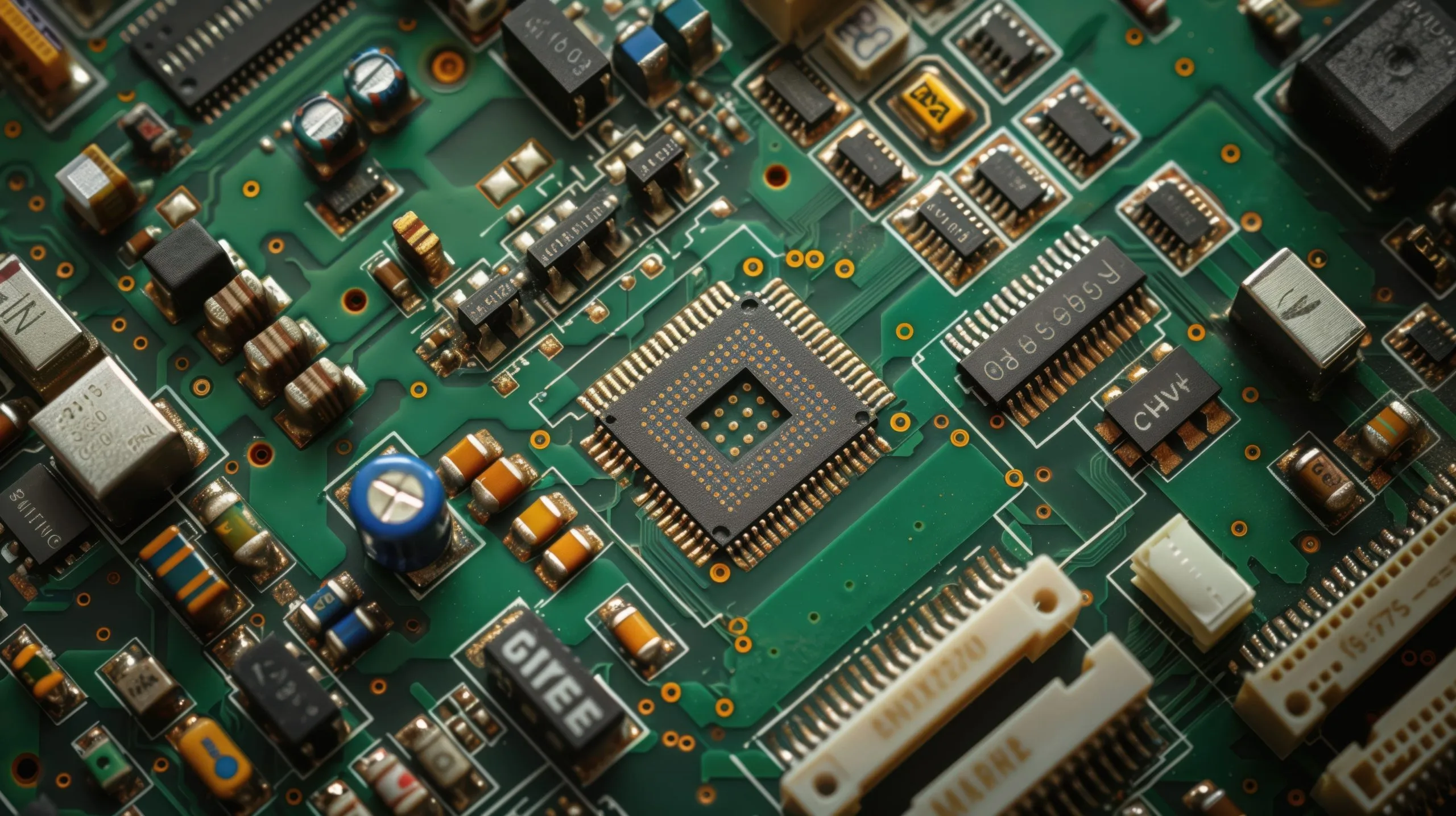
The USA printed circuit board (PCB) market is entering a strategic growth phase as the country strengthens domestic electronics manufacturing, semiconductor capacity, and defense self-reliance. Printed circuit boards form the backbone of electronic systems across aerospace, automotive, telecommunications, medical devices, and industrial automation. As of 2026, the United States continues to rely significantly on PCB imports from Asia, particularly for high-volume and low-cost consumer electronics applications. However, rising geopolitical tensions, supply chain disruptions witnessed earlier in the decade, and strong federal incentives for reshoring advanced electronics manufacturing are reshaping the market landscape. With growing investments in semiconductor fabrication, electric vehicles, 5G infrastructure, artificial intelligence hardware, and defense modernization programs, demand for high-performance, multilayer, and high-density interconnect (HDI) PCBs is increasing. The market is gradually shifting from cost-driven sourcing to security-driven and reliability-focused domestic production strategies.
What’s Driving the Printed Circuit Board Market in the USA?
Rising Demand from Defense and Aerospace
The United States remains one of the largest defense spenders globally, and modernization programs across air, land, sea, and space platforms are generating strong demand for advanced PCBs. Applications in radar systems, avionics, satellites, missile guidance systems, and secure communications require highly reliable, low-volume, high-complexity boards. Domestic manufacturers are increasingly favored for such mission-critical applications to ensure supply chain security and compliance with federal procurement regulations. The expansion of private space programs and satellite constellations is further contributing to specialized PCB demand.
Growth in Electric Vehicles and Advanced Automotive Electronics
The rapid expansion of electric vehicle production and advanced driver-assistance systems (ADAS) is significantly influencing PCB demand. Companies such as Tesla and legacy automakers are investing heavily in EV platforms that require complex power electronics, battery management systems, and embedded control modules. These systems rely on multilayer and high-temperature-resistant PCBs. Additionally, the transition toward autonomous mobility and vehicle connectivity is increasing PCB content per vehicle, supporting long-term domestic demand through 2035.
Expansion of Semiconductor and Electronics Manufacturing
The implementation of the CHIPS and Science Act has encouraged investments in semiconductor fabrication and advanced packaging facilities across states such as Arizona, Texas, and Ohio. As semiconductor production expands, complementary demand for domestically produced PCBs for prototyping, testing, and integration is also increasing. Advanced computing applications, AI accelerators, and data center infrastructure require high-speed, low-loss PCBs capable of supporting next-generation processors and networking equipment.
Government-Led Initiatives Strengthening Domestic Production
Federal policy support is playing a crucial role in revitalizing the U.S. PCB ecosystem. Incentives under the CHIPS and Science Act, along with Department of Defense funding programs, are aimed at strengthening trusted domestic suppliers for critical electronic components. Initiatives encouraging reshoring, workforce development, and supply chain transparency are expected to reduce overdependence on imports over the next decade. In addition, compliance requirements under the Buy American Act and defense procurement standards are encouraging OEMs to partner with certified domestic PCB fabricators. These policies are particularly relevant for aerospace, defense, and critical infrastructure applications, where traceability and quality assurance are paramount.
Market Competition and Industry Structure
The USA PCB market remains moderately fragmented, with a mix of specialized domestic fabricators and global players operating local facilities. Companies such as TTM Technologies and Advanced Circuits are prominent players focusing on high-reliability, quick-turn, and complex PCB solutions. Meanwhile, global manufacturers continue to serve U.S. customers through imports or North American subsidiaries. Domestic players are increasingly investing in automation, advanced materials, and HDI capabilities to compete with Asian manufacturers. However, cost competitiveness remains a challenge, particularly in high-volume consumer electronics segments where overseas suppliers benefit from economies of scale.
High Production Costs and Import Dependency
One of the primary challenges facing the U.S. PCB industry is significantly higher production costs compared to major Asian manufacturing hubs such as China, Taiwan, and South Korea. Elevated labor expenses, strict environmental regulations, energy costs, and compliance requirements increase overall manufacturing overheads. Additionally, domestic facilities often operate at lower production volumes, limiting economies of scale. As of 2026, a large share of standard multilayer PCBs used in consumer electronics and computing devices continues to be imported.
Future Outlook
The USA printed circuit board market is expected to witness steady growth through 2035, driven by defense modernization, EV expansion, AI infrastructure, and semiconductor investments. While the country may not fully replace low-cost, high-volume imports, it is likely to strengthen its position in high-reliability, high-complexity, and security-sensitive PCB segments. By 2035, the market is expected to see increased adoption of advanced technologies such as embedded components, flexible and rigid-flex PCBs, and advanced substrate solutions for next-generation computing and 6G telecommunications. Automation and digital manufacturing practices will improve cost efficiency and production consistency.
Consultants at Nexdigm, in their latest publication “USA Printed Circuit Board Market Outlook to 2035”, analyzed the market by Type (Single-Sided, Double-Sided, Multilayer, HDI, Flexible, Rigid-Flex), By End-User Industry (Defense & Aerospace, Automotive, Telecommunications, Industrial Electronics, Healthcare, Consumer Electronics), and By Application (Power Electronics, Control Systems, Communication Devices, Computing Systems). Nexdigm believes that businesses should prioritize high-reliability niche segments, invest in advanced materials and automation, and align with federal procurement programs to capitalize on the reshoring momentum shaping the U.S. PCB industry through 2035.
To take the next step, simply visit our Request a Consultation page and share your requirements with us.
Harsh Mittal
+91-8422857704