
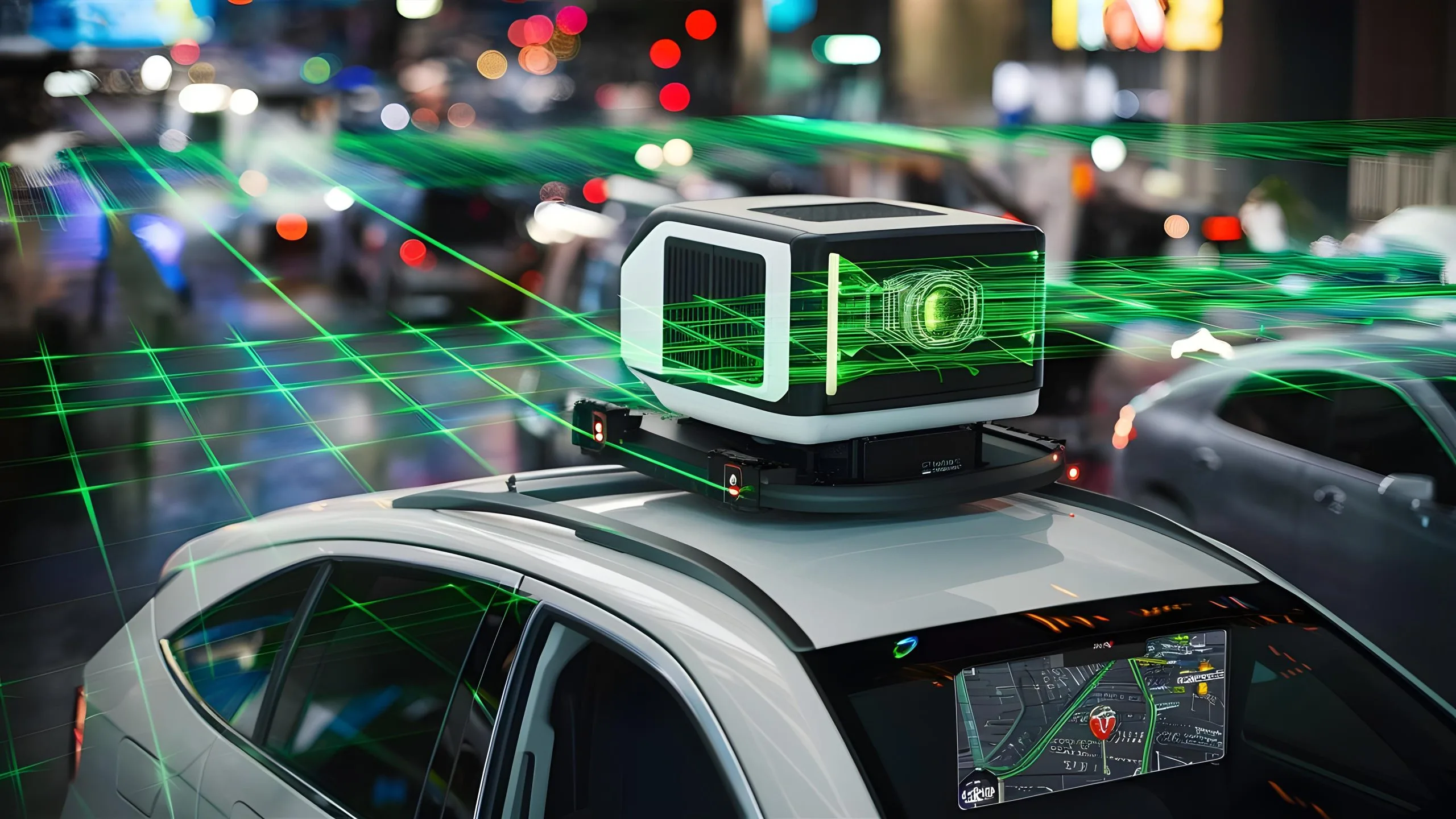
The USA radar sensors market is entering a strong growth phase, driven by rapid adoption across automotive, aerospace, defense, and smart infrastructure applications. Radar sensors are increasingly essential for advanced driver-assistance systems (ADAS), autonomous vehicles, surveillance, and weather monitoring due to their reliability in poor visibility conditions. North America already holds a leading position, accounting for over 36% of the global radar sensors market share in 2023. By 2030, the U.S. market is expected to expand significantly as demand for safety, automation, and defense modernization continues to accelerate.
Key Market Drivers and Growth Factors
Expansion of Automotive ADAS and Autonomous Vehicles
One of the strongest drivers is the rapid integration of radar sensors into vehicles for ADAS features such as adaptive cruise control, blind-spot detection, and emergency braking. In the U.S., over 70% of new passenger vehicles already use radar-based crash detection systems due to regulatory pressure and consumer safety expectations. Increasing EV adoption and autonomous driving development are further boosting demand for short- and long-range radar systems.
Rising Defense and Aerospace Investments
The U.S. defense sector is heavily investing in advanced radar technologies for surveillance, missile tracking, and situational awareness. Radar sensors are critical in next-generation defense systems, especially for real-time threat detection and electronic warfare. Ongoing geopolitical tensions and modernization programs continue to strengthen procurement cycles, supporting long-term market expansion.
Growth of Smart Infrastructure and Industrial Automation
Radar sensors are also gaining traction in smart city projects, traffic monitoring, and industrial automation. Their ability to function in harsh environments makes them suitable for continuous monitoring applications. Additionally, integration with AI and IoT systems is improving accuracy and enabling predictive analytics in transport and logistics networks.
Government Support, Regulatory Push, and Strategic Defense Investments
The U.S. government plays a crucial role in accelerating radar adoption through safety regulations and defense funding. Agencies such as the NHTSA mandate advanced crash-avoidance systems, indirectly driving radar deployment in vehicles. The Department of Defense is also investing heavily in next-generation radar systems for surveillance and autonomous defense platforms. These initiatives ensure steady demand and encourage domestic innovation in radar sensor manufacturing and semiconductor technologies.
Competitive Landscape and Key Industry Players in the USA Market
The U.S. radar sensors market is highly competitive, dominated by global and domestic technology leaders such as Bosch, NXP Semiconductors, Texas Instruments, Infineon Technologies, and Aptiv. Companies compete on sensor accuracy, range of capability, integration with ADAS platforms, and cost efficiency. Strategic partnerships between automakers and sensor manufacturers are increasing, while R&D investment in high-frequency (77–79 GHz) radar systems is intensifying to support autonomous driving and defense applications.
Market Challenges, Cost Barriers, and Technological Integration Issues
High Cost and Integration Complexity
Advanced radar systems remain expensive due to precision manufacturing and semiconductor dependency. Installation costs can reach significant levels in high-end vehicles, limiting penetration in entry-level segments. Additionally, integrating radar with cameras and LiDAR systems creates technical complexity, particularly in sensor fusion for autonomous platforms.
Supply Chain and Standardization Issues
The market also faces supply chain constraints in semiconductor components and a lack of uniform global standards for radar system interoperability, slowing large-scale deployment in some sectors.
Future Outlook
By 2030, the USA radar sensors market is expected to experience sustained double-digit growth, supported by expanding autonomous vehicle deployment, defense modernization, and smart infrastructure projects. Increasing use of high-resolution and 4D imaging radar will significantly enhance object detection and environmental awareness. Market forecasts suggest the broader radar sensor industry could exceed USD 34 billion globally by 2030, with North America remaining a dominant contributor. Continued innovation in AI-enabled radar, 5G integration, and cost-efficient chip design will further strengthen long-term market expansion in the United States.
Consultants at Nexdigm, in their latest publication “USA Radar Sensors Market Outlook 2030,” analyze the sector by System Type (Continuous Wave Radar Sensors, Pulsed Radar Sensors, FMCW Radar Sensors, Radar Imaging Sensors), By Platform Type (Automotive Radar Sensors, Aerospace & Defense Radar Sensors, Industrial Radar Sensors), and By Fitment Type (Integrated Radar Systems, Standalone Radar Systems, Portable Radar Systems). Nexdigm suggests that businesses should closely monitor evolving market conditions and align their strategies with emerging industry trends, regulatory frameworks, and technological advancements. Companies should invest in data-driven decision-making, strengthen operational agility, and adopt innovative technologies to improve efficiency and resilience. It also emphasizes the importance of proactive risk management, strategic partnerships, and continuous capability building to remain competitive in rapidly changing markets.
To take the next step, simply visit our Request a Consultation page and share your requirements with us.
Harsh Mittal
+91-8422857704