
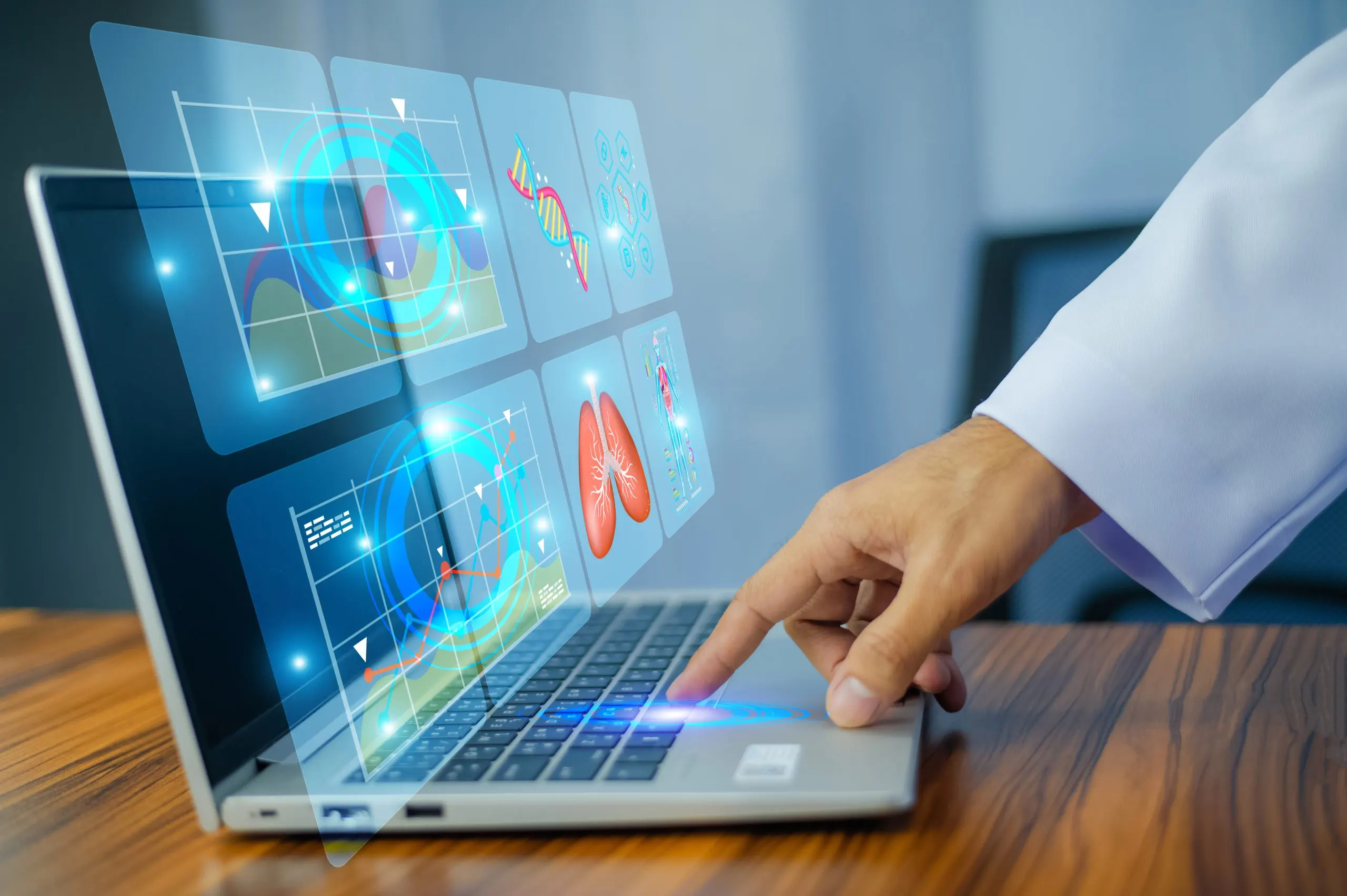
The USA remote diagnosis market is growing quickly as healthcare becomes more digital and accessible. Today, more people prefer consulting doctors from home rather than visiting hospitals for every issue. This shift is being supported by the rapid growth of telehealth, which is expected to reach nearly USD 198 billion by 2030. Remote diagnosis, including virtual consultations and real-time monitoring, is helping patients get faster care while saving time and cost. Overall, it is making healthcare more convenient and efficient for both patients and providers.
At the same time, healthcare providers are increasingly focusing on improving patient experience and reducing hospital burden. Remote diagnosis is helping manage patient flow more effectively and reduce unnecessary visits. As awareness grows, more people are becoming comfortable using digital healthcare services in their daily lives.
What’s Driving the Growth of the Remote Diagnosis Market?
More People Using Telehealth
Telehealth has become very common in the U.S., with over 50% of people having used it at least once. Patients now prefer quick and easy access to doctors through video calls or apps. This growing comfort with digital healthcare is pushing the demand for remote diagnosis services.
Rising Health Issues and Aging Population
Chronic diseases like diabetes and heart conditions are increasing, especially among older adults. Remote diagnosis helps doctors monitor patients regularly without requiring frequent hospital visits. Millions of Americans are already using remote monitoring tools, making healthcare more proactive rather than reactive.
Better Technology Making It Easier
Technology is playing a big role in this growth. Tools like AI, wearable devices, and cloud platforms are making remote diagnosis faster and more accurate. Doctors can now access real-time patient data, which helps in quicker and better decision-making.
Government Support and Initiatives towards Diagnosis Market
The U.S. government has supported the growth of remote diagnosis by expanding telehealth coverage and reimbursements, especially through Medicare. These initiatives have made virtual care more accessible and affordable for patients. They have also encouraged hospitals and clinics to adopt digital healthcare solutions, particularly in rural and underserved areas.
In addition, temporary policies introduced during the pandemic have continued to influence long-term adoption of telehealth services. Regulatory flexibility has made it easier for providers to offer remote care. Overall, government support is playing a key role in shaping a more digitally connected healthcare system.
Major Competitors in the Diagnosis Market
The market includes well-known players like Teladoc Health, Amwell, Philips, GE Healthcare, and Siemens Healthineers. These companies offer advanced digital healthcare solutions and continue to innovate with new technologies. Many of them are also working closely with hospitals and healthcare providers to expand their reach and improve services.
Some companies are also focusing on integrating AI and data analytics into their platforms to improve diagnosis accuracy. Partnerships and acquisitions are becoming common as players try to strengthen their market position. This competitive environment is driving continuous innovation and better service offerings.
Challenges faced by the USA Diagnosis Market
Data Privacy Concerns
Since remote diagnosis relies on digital platforms, protecting patient data is very important. Companies need to follow strict regulations to ensure privacy and security.
Access to Technology
Not everyone has access to smartphones, devices, or stable internet, especially in rural areas. This can limit the reach of remote diagnosis services for some populations. In addition, there can be resistance from patients who are not comfortable using digital tools. Technical issues or system failures can also affect service reliability. Healthcare providers must invest in training and infrastructure to overcome these challenges.
Future Outlook
Looking ahead, the USA remote diagnosis market is expected to grow steadily through 2030. As technology continues to improve and more people become comfortable with digital healthcare, remote diagnosis will become a normal part of everyday medical care. Innovations like AI-powered tools and wearable health devices will further improve accuracy and convenience. Overall, the future looks promising, with remote diagnosis helping make healthcare more accessible, efficient, and patient-friendly.
Consultants at Nexdigm, in their latest publication USA Remote Diagnosis Market Outlook 2030, analyze the sector by Clinical Application (Cardiology, Radiology, Chronic Disease Management, Acute Care Triage, Post Acute and Home care, Preventive and Wellness Diagnostics), by Care Setting (Hospitals and Health Setups, Ambulatory Care Centre, Specialty Clinics, Home Healthcare, Payers and Employers Healthcare Programs).
Nexdigm suggests that businesses in the USA remote diagnosis market should focus on leveraging advanced technologies like AI and remote monitoring, while ensuring strong data security and compliance. Building user-friendly platforms and expanding access to underserved areas will be key to driving adoption and achieving sustainable growth.
To take the next step, simply visit our Request a Consultation page and share your requirements with us.
Harsh Mittal
+91-8422857704