
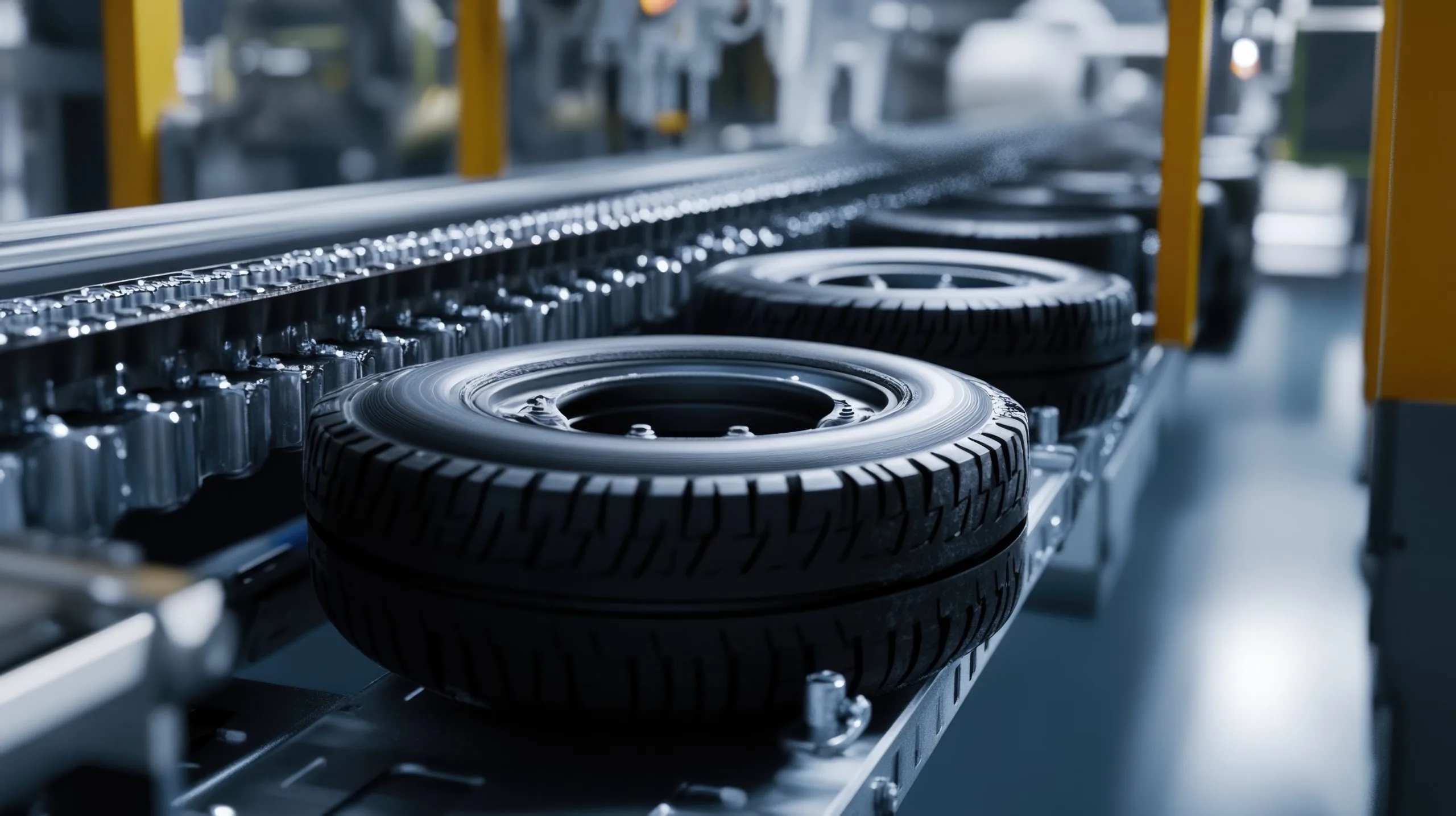
The U.S. retreaded tires market represents a mature yet steadily evolving segment within the broader automotive aftermarket. Retreading—replacing worn tire treads while preserving the casing—has gained traction due to its cost-efficiency and sustainability benefits. In the U.S., more than 15 million retreaded truck and bus tires are produced annually, supplying over 40% of replacement demand in commercial fleets. Although retreads account for a relatively small share of total tire sales, their importance in logistics and transportation is significant, particularly as fleet operators seek cost savings and environmental compliance.
Primary Growth Drivers Shaping Market Expansion
Cost Efficiency for Fleet Operators
One of the primary drivers of the U.S. retreaded tires market is substantial cost savings. Retreaded tires can cost up to 50% less than new tires while offering comparable performance in many applications. For large commercial fleets, this translates into billions in annual savings—estimated at nearly $3 billion across U.S. operations. With rising fuel and raw material costs, fleet operators increasingly rely on retreading to optimize operational expenditures.
Expansion of Commercial Transportation
The growth of logistics, e-commerce, and freight transportation in the U.S. has significantly increased demand for heavy-duty vehicles. Commercial vehicles dominate the retreading market due to high tire wear rates and frequent replacement cycles. Retreaded tires are widely used in trucking fleets, where durability and cost efficiency are critical. The sector’s expansion is expected to remain a major growth catalyst through 2030.
Sustainability and Circular Economy Trends
Retreading aligns closely with sustainability goals by reducing waste and conserving raw materials such as rubber. As environmental regulations tighten and corporations adopt ESG targets, retreaded tires are gaining acceptance as a circular economy solution. The process extends tire life and reduces landfill waste, making it attractive for environmentally conscious fleet operators.
Regulatory Support and Sustainability Initiatives Driving Market Adoption
Government support for retreaded tires in the U.S. is largely indirect, driven by environmental and waste-reduction policies. Regulatory frameworks encouraging recycling and sustainable manufacturing practices promote the adoption of retreading. Additionally, public-sector fleets, including school buses and military vehicles, often utilize retreaded tires, reinforcing market demand. Broader sustainability mandates and emissions reduction targets further support the industry’s growth trajectory by encouraging resource-efficient alternatives.
Market Structure and Key Players in the U.S. Retreaded Tires Industry
The U.S. retreaded tires market is moderately consolidated, with major global tire manufacturers playing a key role. Companies such as Bridgestone (Bandag), Michelin, Goodyear, and Continental dominate through extensive retreading networks and technological capabilities. Alongside these players, independent retreaters and regional operators contribute significantly to supply. Strategic partnerships, technological upgrades, and service-based offerings are common competitive strategies to maintain market share.
Key Challenges Hindering Market Growth and Adoption
Perception and Quality Concerns
Despite technological advancements, retreaded tires still face perception of challenges regarding safety and reliability. Misconceptions among end-users, particularly in passenger vehicle segments, limit broader adoption.
Fluctuating Raw Material and Casing Availability
The availability of high-quality tire casings is critical for retreading. Variability in casing supply and quality, coupled with fluctuations in raw material costs, can impact production efficiency and profitability.
Future Outlook
The U.S. retreaded tires market is expected to witness steady growth through 2030, supported by increasing demand from commercial fleets and sustainability initiatives. Globally, the retreading market is projected to grow at a CAGR of around 3–4%, reaching higher valuation levels by the end of the decade. Technological advancements such as automated retreading processes and digital tire monitoring systems are likely to enhance product performance and adoption. As cost pressures and environmental considerations intensify, retreaded tires will remain a critical component of the U.S. transportation ecosystem.
Consultants at Nexdigm, in their latest publication “USA Retreaded Tires Market Outlook 2030,” analyze the sector by System Type (Retreaded Passenger Tires, Retreaded Commercial Vehicle Tires, Retreaded Agricultural Tires, Retreaded Heavy Equipment Tires), By Platform Type (Passenger Vehicles, Commercial Vehicles, Agricultural Vehicles), and By Fitment Type (OEM Fitment, Aftermarket Fitment, Direct Fitment). Nexdigm suggests that businesses should align their strategies with evolving market dynamics by incorporating cost-efficient, sustainable solutions such as retreaded tires. Companies are encouraged to evaluate lifecycle costs, adopt circular economy practices, and leverage technological advancements in tire monitoring and retreading processes. Additionally, strengthening supplier partnerships and ensuring access to high-quality tire casings can enhance operational efficiency. By integrating sustainability with performance optimization, businesses can improve profitability while meeting regulatory and environmental expectations in the U.S. retreaded tires market.
To take the next step, simply visit our Request a Consultation page and share your requirements with us.
Harsh Mittal
+91-8422857704