
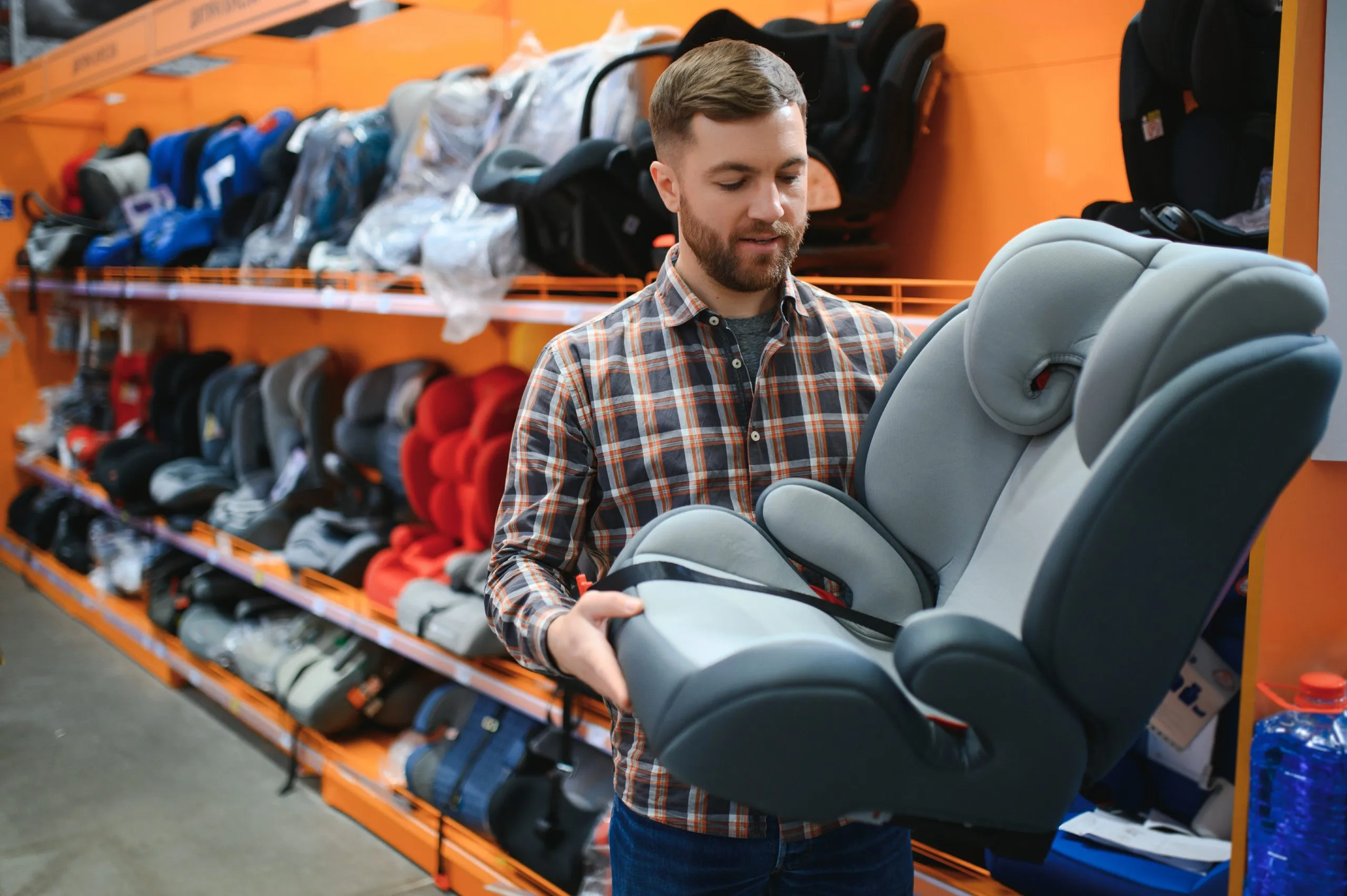
The USA seat foam market is expected to grow steadily in the upcoming years as automakers place more importance on comfort, lighter interiors, and better material choices. Seat foam has a direct impact on how a vehicle feels, from softness and support to long-distance comfort and overall cabin quality. The U.S. automotive foam market is projected to reach USD 11.84 billion in the coming years with polyurethane foam remaining a major material type. As SUVs, pickups, EVs, and premium vehicles continue to evolve, demand for durable, ergonomic, and lightweight seat foam is expected to rise.
Market Growth drivers affecting the USA Seat Foam Sector
Vehicle Buyers Want More Comfort
Comfort is one of the biggest reasons behind the growth of the USA seat foam market. Drivers and passengers now expect seats that provide better cushioning, body support, pressure relief, and durability. This is especially important in SUVs, pickups, crossovers, and premium vehicles, where cabin comfort can strongly influence buying decisions. Automakers are using improved foam designs to make seats feel more supportive and refined. Multi-density foam, molded polyurethane foam, and advanced cushion structures are becoming more common across vehicle categories.
EVs Are Changing Interior Material Needs
Electric vehicles are changing how automakers design vehicle interiors. Because EVs need to manage battery weight and driving range, lightweight materials are becoming more important across the cabin. Seat foam must now deliver comfort while also helping reduce overall vehicle weight. Last year, hybrid, battery-electric, and plug-in hybrid vehicles accounted for about 22% of U.S. light-duty vehicle sales, compared with 20% in the previous year. As electrified vehicles gain more share, suppliers are developing lighter foam materials that support energy efficiency, cabin space, and passenger comfort. Foam also helps manage noise, vibration, and harshness. This matters more in EVs because their cabins are quieter than gasoline vehicles, making road and interior noise more noticeable.
Sustainability Is Becoming Part of Seat Design
Sustainability is becoming more important in automotive interiors. Automakers are exploring recycled, bio-based, low-VOC, and more recyclable foam materials to reduce environmental impact and meet changing customer expectations. The global automotive seat foam market was valued at USD 9.93 billion earlier and is projected to reach USD 15.86 billion in the coming years, growing at a 4.8% CAGR. This shows that demand for comfort-focused and more sustainable seating materials is expanding globally. By next decade, suppliers that can offer comfort, durability, lower emissions, and cost-effective sustainable materials will be better placed to win business from automakers.
Government Policies affecting the US Seat Foam Market
Government regulations and industry standards have an indirect but important impact on the USA seat foam market. Foam materials must meet requirements related to safety, flammability, durability, interior air quality, and passenger comfort. These standards influence which materials automakers can use in vehicle seats. Fuel efficiency and electrification goals are also shaping foam development. Automakers are looking for materials that help reduce vehicle weight while maintaining comfort and performance. As a result, foam suppliers need to balance safety, comfort, sustainability, and cost in every product they develop.
Competitive Insights of the USA Seat Foam Market
The USA seat foam market includes foam producers, chemical companies, seating system suppliers, material developers, and automotive interior specialists. These companies supply polyurethane foam, molded foam, bio-based foam, and customized cushioning solutions for different vehicle platforms. Competition is based on comfort, durability, weight reduction, sustainability, cost control, and the ability to meet OEM production needs. Automakers want suppliers that can deliver consistent quality at scale while adapting to new seat designs. As EVs, SUVs, and premium vehicles reshape cabin expectations, foam suppliers will become more important in improving the passenger experience.
Challenges faced in the US Seat Foam Market
Raw Material Prices Can Create Pressure
Seat foam production depends on materials such as polyols, isocyanates, additives, flame retardants, and specialty chemicals. Changes in the cost or availability of these inputs can affect production costs and supplier margins. Supply chain disruptions can also create problems because seating components are closely connected to vehicle assembly schedules. Even small delays in foam supply can affect seat production and vehicle output. To manage this risk, suppliers will need stronger sourcing strategies, better inventory planning, and more resilient manufacturing networks.
Comfort, Sustainability, and Cost Must Be Balanced
Automakers want seat foam that is comfortable, durable, lightweight, safe, sustainable, and affordable. Meeting all of these needs at the same time is not easy. Sustainable foam options can support environmental goals, but they must still perform well and remain competitive. This is especially important in mass-market vehicles, where buyers want better comfort, but automakers must keep prices under control. Suppliers that can improve comfort and sustainability without adding too much cost will have a stronger market position.
Future Outlook
As we move ahead, the USA seat foam market is expected to remain positive, supported by vehicle production, EV adoption, premium interior trends, and stronger demand for comfort. As vehicle cabins become quieter and more technology-focused, seating comfort will become even more important. In the coming years, seat foam is likely to become lighter, more ergonomic, and more sustainable. Automakers will continue looking for materials that improve comfort, reduce weight, control cabin noise, and support lower-emission interiors. Suppliers that combine material innovation, cost efficiency, sustainable product development, and strong OEM partnerships will be best positioned in the U.S. market.
Consultants at Nexdigm, in their latest publication USA Seat Foam Market Outlook 2030, analyse the sector by System Type (High Resilience Flexible Foam, Moulded Polyurethane Foam, Integrated Skin Foam), by Platform Type (Passenger Cars, SUV and Crossover, Light Commercial Vehicles, Heavy Commercial Vehicles and Electric Vehicles).
Nexdigm suggests that businesses in the USA Seat Foam market should focus on lightweight material innovation, cost-efficient manufacturing, supply chain resilience, and compliance with safety standards. Companies should also invest in EV-ready frame designs, modular seating structures, local sourcing, and partnerships with OEMs to stay competitive in the evolving market.
To take the next step, simply visit our Request a Consultation page and share your requirements with us.
Harsh Mittal
+91-8422857704