
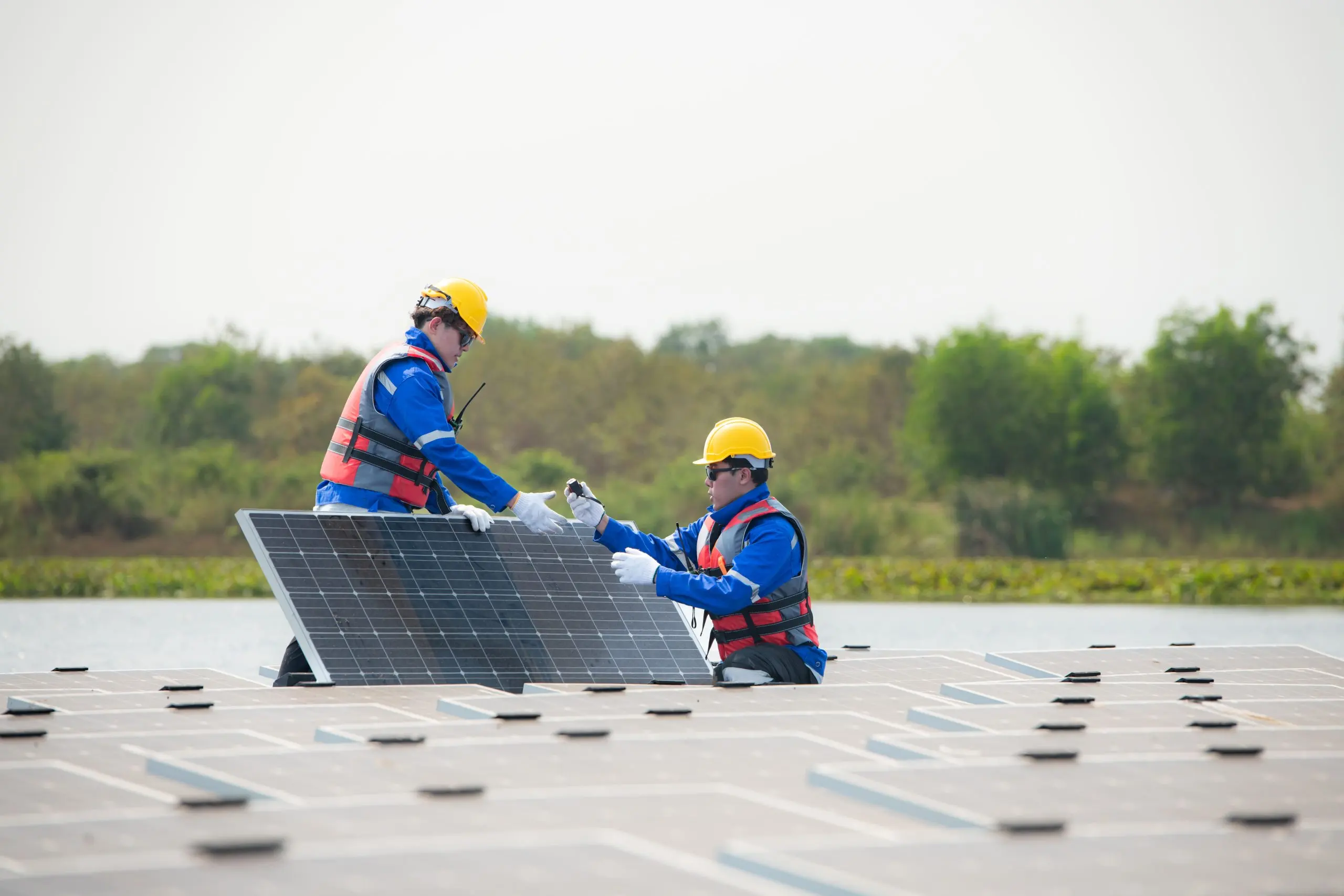
The USA solar EPC market has entered a different phase over the last few years. Earlier, solar projects in the country were concentrated in a handful of states and mostly dependent on subsidy-led expansion. In 2026, the picture looks far broader. Large utility companies, data center operators, manufacturers, and even local municipalities are actively commissioning solar installations as electricity demand continues to rise. The Inflation Reduction Act has certainly helped unlock fresh investment, but policy support alone is not the full story. Energy security concerns, volatile power prices, and pressure from corporate sustainability targets are all pushing solar projects forward across the country. For EPC companies, this shift has created a more demanding market. Clients now expect faster project execution, integrated battery storage, and stronger supply chain visibility. In practice, developers are no longer looking only for contractors that can build a solar farm. They want partners capable of handling permitting delays, grid interconnection hurdles, and procurement risks that can easily derail timelines.
What’s Driving the Solar EPC Market in the USA?
Utility-Scale Solar Projects Continue Expanding
Utility-scale solar remains the backbone of the US solar pipeline. States such as Texas, Arizona, Nevada, and California continue to add large solar parks to stabilize long-term electricity supply and meet renewable portfolio mandates. Some projects now exceed 500 MW capacity, making execution far more complex than it was a decade ago. One noticeable trend is the growing involvement of oil and gas investors in renewable projects. Several energy firms with traditional fossil fuel exposure have started financing solar assets because utility-scale renewables now offer more predictable returns in certain regions. EPC contractors capable of managing land acquisition, transmission connectivity, and large workforce deployment are therefore seeing stronger demand than smaller regional firms.
Corporate Renewable Procurement is Reshaping Demand
A large portion of new solar development now comes from private companies rather than utilities alone. Technology firms operating hyperscale data centers have become major electricity consumers, particularly in states like Virginia and Texas. Many of these companies are signing long-term power purchase agreements directly with solar developers to lock in energy costs for 10 to 20 years. This trend has quietly changed the nature of EPC work. Corporate clients often demand shorter construction schedules, stricter ESG compliance standards, and advanced monitoring systems. A common challenge on the ground is balancing aggressive project deadlines with local labor shortages. Delays of even a few months can affect electricity pricing agreements and financing structures.
Energy Storage is Becoming Part of Standard Solar Projects
Battery storage is no longer treated as an optional add-on in many utility projects. In several US states, grid congestion and renewable intermittency have forced developers to pair solar plants with battery systems from the beginning. This has added another layer of technical complexity for EPC providers. Storage integration requires specialized engineering capabilities, thermal management systems, and additional safety protocols. Some contractors have adapted quickly, while others are still heavily reliant on third-party expertise. That gap may become more visible over the next decade. Firms that can execute both solar and storage projects under a single contract will likely hold a stronger position in competitive bidding environments.
Government-Led Incentives Supporting Solar Development
Federal policy continues to play a central role in shaping the market. The Inflation Reduction Act extended tax credits for renewable energy projects and introduced incentives tied to domestic manufacturing content. As a result, solar module assembly plants and battery facilities have expanded across several states, including Georgia, Ohio, and South Carolina. At the same time, local permitting processes remain inconsistent. While federal incentives encourage investment, county-level approvals and transmission studies often slow projects considerably. In some regions, developers wait over a year for interconnection clearance. This mismatch between policy ambition and infrastructure readiness remains one of the market’s more frustrating realities.
Market Competition and Industry Landscape
The USA solar EPC market remains moderately fragmented despite the presence of large engineering firms such as Bechtel, Mortenson, and McCarthy Building Companies. Competition has intensified as developers prioritize execution reliability over simple pricing advantages. Smaller EPC firms still win regional projects, particularly in commercial and community solar installations, though margins have become tighter. Some contractors are investing heavily in automation tools and AI-driven project monitoring to improve scheduling accuracy. Others are focusing on long-term O&M contracts as construction margins fluctuate.
Supply Chain and Grid Constraints Remain a Key Challenge
The market still faces bottlenecks that are difficult to ignore. Transformer shortages, rising transmission upgrade costs, and dependency on imported components continue to create uncertainty for project developers. Even when financing is secured, construction schedules can shift because of delayed equipment deliveries or labor shortages in remote project locations.Grid infrastructure presents another concern. Several regions with strong solar resources simply lack sufficient transmission capacity to absorb additional renewable power. Without faster grid expansion, parts of the US solar pipeline could face slower deployment despite healthy investor interest.
Future Outlook
The USA solar EPC market will likely look very different by 2035. Utility-scale solar installations are expected to become larger, more storage-intensive, and increasingly digitized. EPC contractors may rely more heavily on automation, predictive maintenance systems, and AI-based construction planning to manage rising project complexity. There is also a realistic possibility that domestic manufacturing support will reduce reliance on imported solar equipment over time, though reaching full supply chain independence may take longer than policymakers anticipate. What seems clearer is that solar EPC firms with strong execution records, integrated storage expertise, and flexible procurement networks will have a meaningful advantage as competition intensifies across the renewable energy sector.
Consultants at Nexdigm, in their latest publication “USA Solar EPC Market Outlook to 2035”, analyzed the market by Project Type (Utility-Scale Solar, Commercial & Industrial Solar, Residential Solar, Community Solar), By Service Type (Engineering, Procurement, Construction, Operations & Maintenance), and By End User (Utilities, Commercial Enterprises, Residential Consumers, Government Projects). Nexdigm believes that businesses should prioritize integrated solar-plus-storage capabilities, domestic supply chain partnerships, and advanced digital project management solutions while leveraging federal clean energy incentives as key growth drivers in the evolving USA solar EPC market.
To take the next step, simply visit our Request a Consultation page and share your requirements with us.
Harsh Mittal
+91-8422857704