
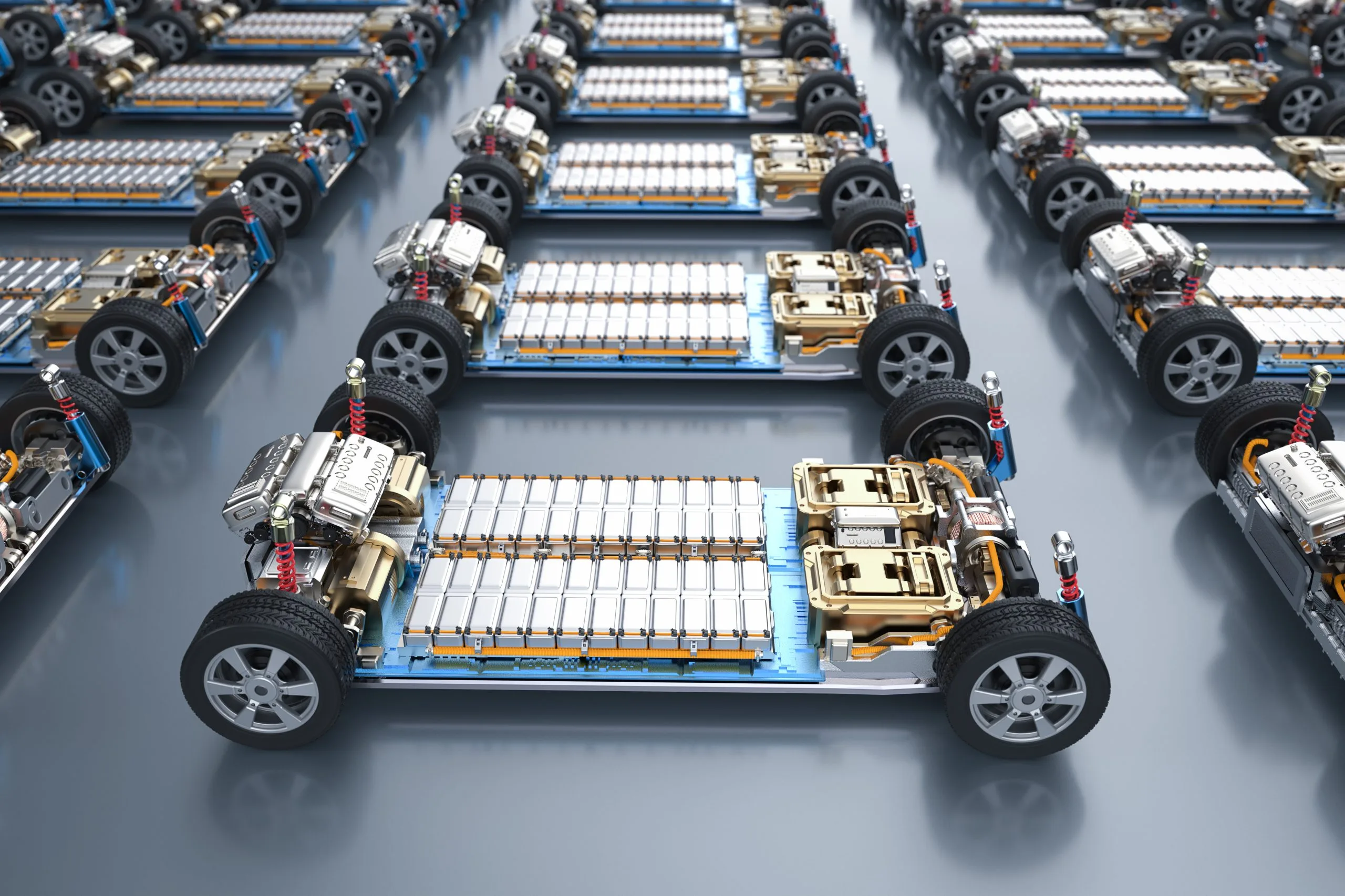
The solid-state batteries market in the United States is still in its early stages, but it is quickly gaining attention as a potential breakthrough in energy storage. Unlike traditional lithium-ion batteries, solid-state batteries use solid electrolytes, which can improve safety, increase energy density, and extend battery life. The global market is expected to grow rapidly, reaching around $6 billion in the upcoming years. In the U.S., interest is being driven by electric vehicles and renewable energy needs. Companies are investing heavily in research and pilot production facilities. Overall, solid-state batteries are seen as a key technology for the future of mobility and clean energy.
Major Growth Drivers of the USA Solid-State Batteries Market
Growing Demand from Electric Vehicles
One of the biggest factors behind the growth of solid-state batteries is the rapid rise of electric vehicles in the U.S. Automakers are actively exploring this technology as a way to overcome current battery limitations. Solid-state batteries can offer longer driving ranges, faster charging, and improved safety compared to conventional batteries. As consumers demand better performance from EVs, the need for advanced battery solutions continues to grow. This makes solid-state technology especially attractive for next-generation vehicles. Automakers are also partnering with battery startups to speed up development. These collaborations are helping bring new innovations closer to the market. Over time, EV demand will remain a key driver of this technology.
Continuous Technological Advancements
Ongoing research and innovation are playing a major role in advancing solid-state battery technology. Scientists and engineers are working on new materials that improve battery performance and safety. Solid electrolytes reduce the risk of overheating and make batteries more stable. At the same time, efforts are being made to improve scalability and reduce production costs. Although the technology is still developing, progress is happening quickly. Companies are testing prototypes and moving toward pilot-scale production. Each breakthrough is bringing solid-state batteries closer to commercial use. Innovation will continue to shape the pace of market growth.
Expanding Role in Energy Storage
Solid-state batteries are not limited to electric vehicles they are also gaining attention in energy storage systems. As renewable energy sources like solar and wind grow, the need for efficient storage solutions increases. Solid-state batteries can provide reliable and long-lasting energy storage. They can help stabilize the grid and manage fluctuations in energy supply. This is especially important as the U.S. shifts toward cleaner energy sources. Energy companies are beginning to explore their potential in large-scale projects. This opens up new opportunities beyond the automotive sector. As a result, the market is expanding across multiple applications.
US Government’s Support towards adopting Solid State Batteries
Government support in the U.S. is helping accelerate the development of solid-state batteries. Funding programs and research initiatives are encouraging innovation in next-generation battery technologies. Policies promoting electric vehicles and clean energy are indirectly boosting demand. At the same time, incentives for domestic manufacturing are helping build a stronger supply chain. These efforts are supporting early-stage commercialization and industry growth.
Competitive Insights of US Solid State Battery Market
The U.S. solid-state battery market includes a mix of startups and established companies. Key players such as QuantumScape Corporation, Solid Power Inc., and Toyota Motor Corporation are leading development efforts. These companies are focused on bringing commercially viable products to market. Partnerships with automakers and investments in pilot production are common strategies. Innovation and scalability remain critical for success in this emerging space.
Market Challenges Affecting the US Battery Market Growth
High Costs and Commercialization Barriers
One of the biggest challenges is the high cost of developing and producing solid-state batteries. Scaling production from research labs to commercial manufacturing is complex and expensive. Significant investment is needed before the technology becomes widely accessible. In addition, the lack of standardized production processes increases uncertainty for large-scale deployment.
Technology and Supply Chain Limitations
Despite rapid progress, solid-state batteries are still not fully ready for mass production. Challenges around materials, durability, and manufacturing processes remain. Supply chain development is also in its early stages, which can slow adoption. Limited availability of specialized materials and production expertise further adds to commercialization delays.
Future Outlook
As we move ahead, the U.S. solid-state batteries market is expected to grow rapidly as technology matures. Increasing EV adoption, ongoing innovation, and government support will continue to drive demand. The industry is likely to move from pilot projects to early commercialization during this period. As production scales up, costs are expected to gradually decline. At the same time, applications in energy storage will expand beyond the automotive sector. Overall, solid-state batteries are set to play a major role in the future of clean energy and electric mobility. In addition, advancements in manufacturing processes and material science will further improve performance and scalability. Growing investments from both private and public sectors will also accelerate commercialization and strengthen the overall market ecosystem.
Consultants at Nexdigm, in their latest publication USA Solid State Batteries Market Outlook to 2030, analyze the sector by System Type (Polymer based Solid State Batteries, Sulfide Based Solid State batteries, Oxide Based Solid State Batteries and Hybrid Solid State Lithium Batteries), by Platform Type (Passenger Electric Vehicle, Electric Commercial Vehicle, Energy Storage Systems, Consumer Electronics, Industrial Equipment).
Nexdigm suggests that businesses should move beyond incremental improvements and actively reimagine their role in the battery value chain. This means co-developing technologies with innovators, investing in flexible manufacturing that can adapt to evolving chemistries, and building intelligence-driven supply networks.
To take the next step, simply visit our Request a Consultation page and share your requirements with us.
Harsh Mittal
+91-8422857704