
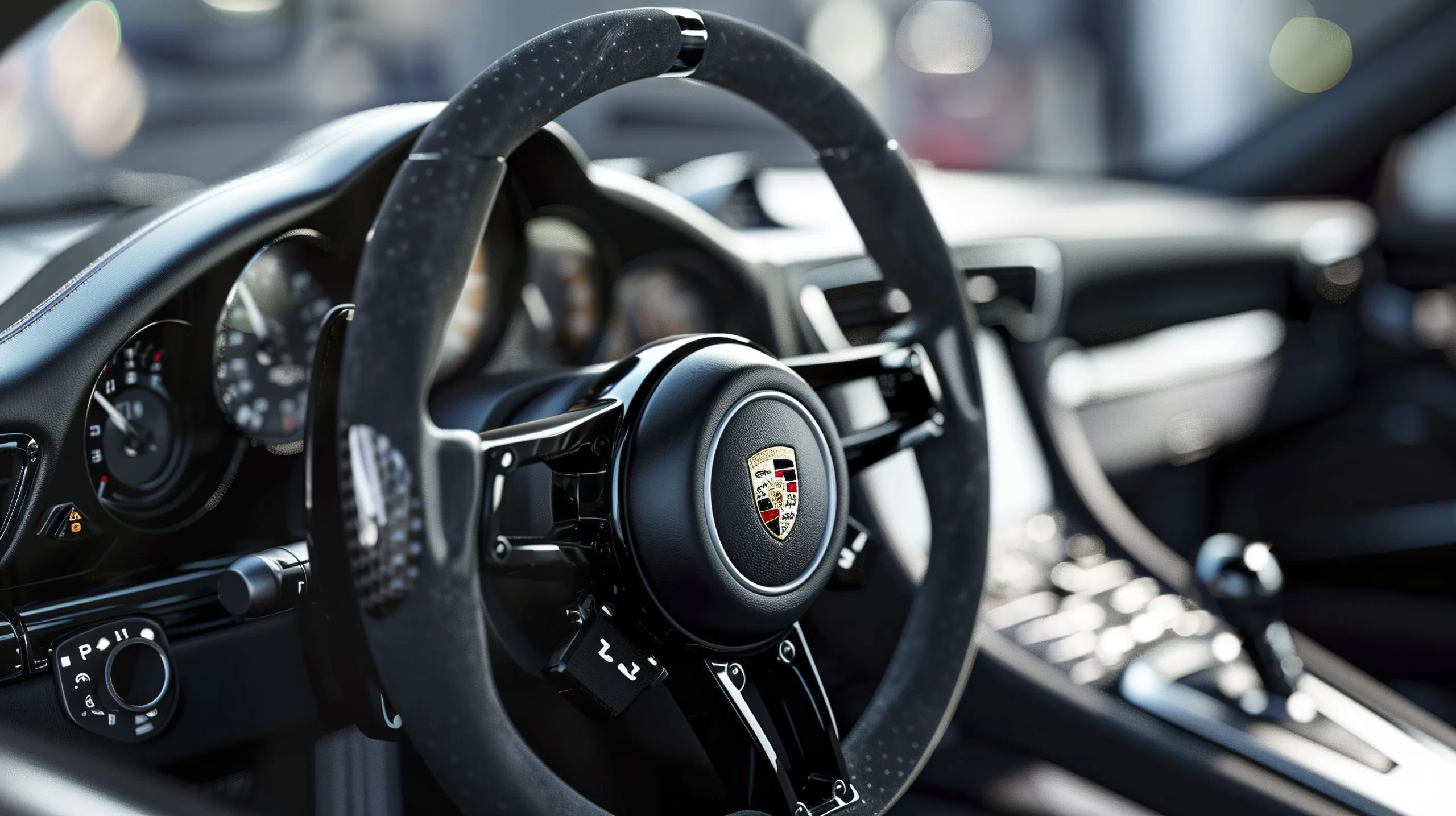
The US automotive industry has quietly reshaped the steering columns market over the last few years. What was once considered a basic mechanical component has now become part of a much larger conversation around vehicle safety, cabin technology, and driver comfort. In 2026, automakers across the United States are redesigning interiors to accommodate electric drivetrains, digital dashboards, and advanced driver assistance systems. That shift has created fresh demand for smarter steering column systems with electronic controls, tilt and telescopic functions, and integrated safety mechanisms. At the same time, consumer expectations have changed. Buyers now notice details that previously went overlooked, especially in premium and electric vehicles. Features such as memory steering positions, heated steering integration, and adjustable driving ergonomics are no longer limited to luxury sedans. In practice, even mid-range vehicles are beginning to include functions that were once considered high-end upgrades. This trend is gradually changing supplier priorities across the steering systems segment.
What’s Driving the Steering Columns Market in the USA?
Electric Vehicles Are Changing Steering Design
Electric vehicles have introduced a very different approach to vehicle packaging. Without the space constraints of conventional engines and transmissions, automakers have greater flexibility in cabin layouts. Steering columns are being redesigned to fit minimalist interiors and support electronic steering technologies. Manufacturers such as Tesla and Ford Motor Company are experimenting with more software-oriented steering controls, particularly in newer EV platforms. Some newer models now rely heavily on electronic sensors and steer-by-wire concepts instead of purely mechanical linkages. While the technology still faces regulatory and reliability debates, suppliers are investing heavily because the long-term direction of the market appears fairly clear.
Safety Standards Continue to Influence Product Development
Safety remains one of the strongest influences on steering column manufacturing in the US. Collapsible steering columns, for instance, have become standard because they help reduce driver injury during frontal collisions. The focus now goes beyond crash protection alone. Engineers are also working to improve steering responsiveness, vibration reduction, and overall vehicle control. A common challenge for manufacturers is balancing lightweight construction with durability. Aluminum components help improve fuel efficiency and EV battery range, but they also need to withstand long-term wear and impact forces. In many cases, suppliers are testing hybrid material combinations to solve that problem rather than relying on a single material type.
Demand for Premium Features Is Expanding Beyond Luxury Cars
A decade ago, electronically adjustable steering columns were mostly associated with high-end German sedans. That gap has narrowed considerably. Pickup trucks, SUVs, and even family crossovers in the US market now offer power tilt and telescopic adjustments as standard or mid-level features. Consumers spend long hours driving in cities such as Los Angeles, Houston, and Chicago, where comfort features genuinely influence buying decisions. Automakers know this. Steering columns are increasingly integrated with infotainment controls, driver profiles, and semi-autonomous driving functions. The component itself has become more sophisticated, even if most drivers rarely think about it directly.
Government-Led Initiatives Supporting Automotive Innovation
Federal incentives tied to electric vehicle manufacturing and domestic production have indirectly strengthened the steering components industry. The push for local sourcing has encouraged suppliers to expand operations within North America rather than relying entirely on overseas manufacturing. There is also pressure from fuel-efficiency regulations. Lighter steering assemblies contribute to overall vehicle weight reduction, which matters more than many consumers realize. Even small weight savings across millions of vehicles can influence compliance targets. In reality, this has forced suppliers to rethink traditional manufacturing methods and invest more heavily in advanced materials and electronics integration.
Market Competition and Industry Landscape
The US steering columns market remains fairly competitive, with major players including Nexteer Automotive, JTEKT Corporation, ZF Friedrichshafen AG, and thyssenkrupp AG. Most of these companies are no longer competing only on manufacturing scale. Software capability, sensor integration, and compatibility with autonomous driving systems are becoming equally important. Partnerships between automakers and steering technology firms have become more common because development timelines for EVs are shorter than before. Suppliers that adapt quickly tend to secure long-term contracts. Others risk losing relevance as the industry shifts toward electronically controlled systems.
Supply Chain Volatility and Rising Electronic Component Costs
One issue the market continues to struggle with is supply chain instability. Modern steering columns now depend heavily on semiconductors, electric motors, and precision sensors. When semiconductor shortages disrupted automotive production earlier in the decade, steering system suppliers felt the impact almost immediately. Raw material pricing has also remained unpredictable. Steel and aluminum costs fluctuate frequently, making long-term production planning difficult. Smaller suppliers often face the greatest pressure because they lack the purchasing leverage of larger multinational manufacturers.
Future Outlook
By 2035, steering columns in the US market will likely look very different from what drivers are familiar with today. Electronic steering systems, retractable steering wheels for autonomous driving modes, and software-controlled adjustments are moving steadily toward mainstream adoption. Full steer-by-wire technology may still take time to become universal, partly because consumer trust and safety validation remain important hurdles. Even so, the direction of the market is difficult to ignore. As electric and semi-autonomous vehicles become more common on American roads, steering columns will continue evolving from mechanical hardware into intelligent driver-interface systems.
Consultants at Nexdigm, in their latest publication “USA Steering Columns Market Outlook to 2035,” analyzed the market by Type (Manual Steering Columns, Power Steering Columns, Tilt & Telescopic Steering Columns), By Vehicle Type (Passenger Vehicles, Commercial Vehicles, Electric Vehicles), and By Technology (Conventional Steering, Electronic Steering, Steer-by-Wire Systems). Nexdigm believes that businesses should prioritize lightweight component innovation, electronic integration capabilities, and partnerships with EV manufacturers while focusing on safety-compliant and ADAS-compatible steering technologies to remain competitive in the evolving automotive market.
To take the next step, simply visit our Request a Consultation page and share your requirements with us.
Harsh Mittal
+91-8422857704