
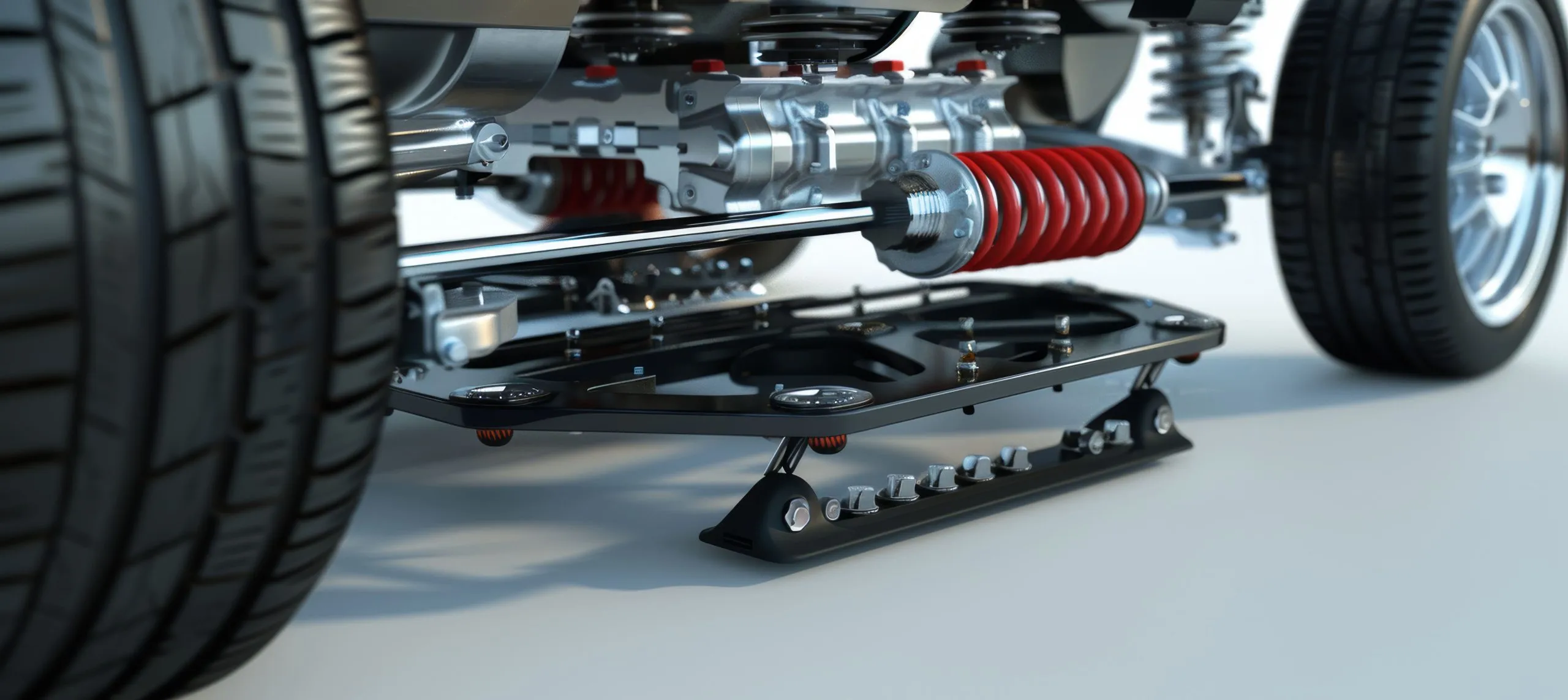
The USA automotive components market is entering a different phase as steering technologies evolve alongside electric vehicles and advanced driver assistance systems. Steering racks, once viewed as a fairly standardized mechanical component, are now becoming more software-linked and electronically controlled. That shift is changing how automakers source components, how repair shops handle replacements, and even how consumers think about vehicle maintenance. As of 2026, the United States remains one of the largest markets for steering systems across passenger vehicles, pickup trucks, and commercial fleets. Demand is no longer limited to traditional hydraulic steering assemblies. Electric power steering systems have become common across newer vehicle platforms because they improve fuel economy and support safety features such as lane centering and parking assistance. At the same time, the country’s aging vehicle fleet continues to create steady replacement demand in the aftermarket. In practice, both trends are shaping the market at the same time – one driven by future technology, the other by everyday repair needs.
What’s Driving the Steering Racks Market in the USA?
Shift Toward Electric Power Steering
Automakers in the USA have been moving steadily toward electric power steering over the past few years, especially in SUVs and electric vehicles. Unlike hydraulic systems, EPS units operate with electronic motors rather than fluid pumps, which helps reduce fuel consumption and vehicle weight. For EV manufacturers, this matters because every efficiency gain contributes to driving range. There is another layer to this transition. Modern driver-assistance features depend heavily on electronically controlled steering inputs. A vehicle equipped with lane-keeping assist or automated parking cannot rely on older steering architectures. As a result, steering racks are no longer just hardware components – they are increasingly tied to software calibration and sensor integration.
Strong Aftermarket Replacement Demand
One factor often overlooked is the sheer age of vehicles on American roads. Many cars and pickup trucks remain operational well beyond 10 years, particularly in suburban and rural areas where replacement cycles tend to stretch longer. Steering racks wear down gradually through potholes, rough road conditions, and high-mileage driving. When failure happens, repairs are rarely optional because steering directly affects vehicle safety. Independent repair shops across the country continue to report healthy demand for remanufactured steering racks. Consumers frequently choose rebuilt units over brand-new OEM assemblies because replacement costs for modern steering systems can become expensive very quickly. For older SUVs and light trucks, the price difference is often substantial enough to influence buying decisions.
Popularity of Pickup Trucks and Utility Vehicles
The American preference for pickup trucks continues to influence the steering racks market in a major way. Full-size trucks require more durable steering assemblies capable of handling towing loads, uneven terrain, and heavier vehicle weights. That creates demand for stronger and more sophisticated rack systems compared to standard passenger sedans. Manufacturers are also refining steering feel in large vehicles. Buyers now expect pickup trucks to offer smoother maneuverability in urban settings without sacrificing performance during hauling or off-road use. This balancing act has encouraged suppliers to invest in electronically assisted steering technologies tailored specifically for larger utility vehicles.
Government Regulations and Technological Advancements
Fuel-efficiency standards and vehicle safety regulations in the USA have quietly pushed steering technology forward. Lighter steering systems contribute to better fuel economy, while electronically controlled racks support ADAS functions that regulators increasingly encourage. At the same time, autonomous vehicle development has accelerated experimentation around steer-by-wire systems. On the ground, though, adoption comes with trade-offs. Advanced steering systems improve precision and safety, but they also make diagnostics and repairs more complicated. Smaller repair shops sometimes struggle to keep up with calibration requirements tied to newer steering technologies.
Market Competition and Industry Landscape
The USA steering racks market remains moderately consolidated, with companies such as Robert Bosch GmbH, ZF Friedrichshafen AG, JTEKT Corporation, and Nexteer Automotive holding strong positions across OEM and aftermarket channels. Competition has become more technology-focused in recent years, particularly around lightweight steering systems and ADAS compatibility. Meanwhile, aftermarket suppliers continue expanding remanufacturing operations because affordability remains a decisive factor for many vehicle owners.
Supply Chain Pressures and Rising Component Costs
A common challenge in the USA steering racks market involves supply chain volatility and rising material costs. Modern steering systems rely on semiconductors, electronic sensors, steel, and aluminum, all of which have faced pricing fluctuations over the past few years. Delays in electronic component sourcing can disrupt production timelines for manufacturers and repair cycles for distributors. Repair costs have also climbed. In many newer vehicles, replacing a steering rack may require recalibration of electronic safety systems, adding labor expenses that were uncommon a decade ago. That creates tension between technological advancement and long-term affordability for consumers.
Automakers Accelerate Investment in Software-Integrated Steering Technologies
Automotive manufacturers and steering system suppliers have recently increased investments in software-integrated electric steering technologies as demand for ADAS and autonomous driving features expands across the USA market. Industry reports published in 2026 indicate stronger adoption of rack-assist electric power steering systems in SUVs and electric vehicles due to improved efficiency and compatibility with lane-keeping and automated parking functions. Several suppliers are also focusing on steer-by-wire development, a technology that removes the mechanical connection between steering wheel and tires. Analysts believe this transition could significantly reshape steering rack manufacturing, aftermarket servicing, and vehicle electronics architecture over the next decade.
Future Outlook
The USA steering racks market will likely continue evolving alongside electrification and vehicle automation through 2035. Electric power steering is gradually becoming the industry standard, particularly as automakers phase out purely hydraulic systems in newer platforms. Steer-by-wire technology may gain traction in premium and autonomous vehicles, though large-scale adoption could take longer than many expect due to regulatory scrutiny and reliability concerns.
Consultants at Nexdigm, in their latest publication “USA Steering Racks Market Outlook to 2035,” analyzed the market by Type (Hydraulic Steering Rack, Electric Power Steering Rack, Electro-Hydraulic Steering Rack), By Vehicle Type (Passenger Cars, SUVs, Pickup Trucks, Commercial Vehicles), By Sales Channel (OEM, Aftermarket), and By End User (Individual Consumers, Fleet Operators, Repair Workshops). Nexdigm believes manufacturers and suppliers should focus on electronically integrated steering systems, stronger remanufacturing capabilities, and service networks equipped to handle increasingly software-dependent vehicle components.
To take the next step, simply visit our Request a Consultation page and share your requirements with us.
Harsh Mittal
+91-8422857704