
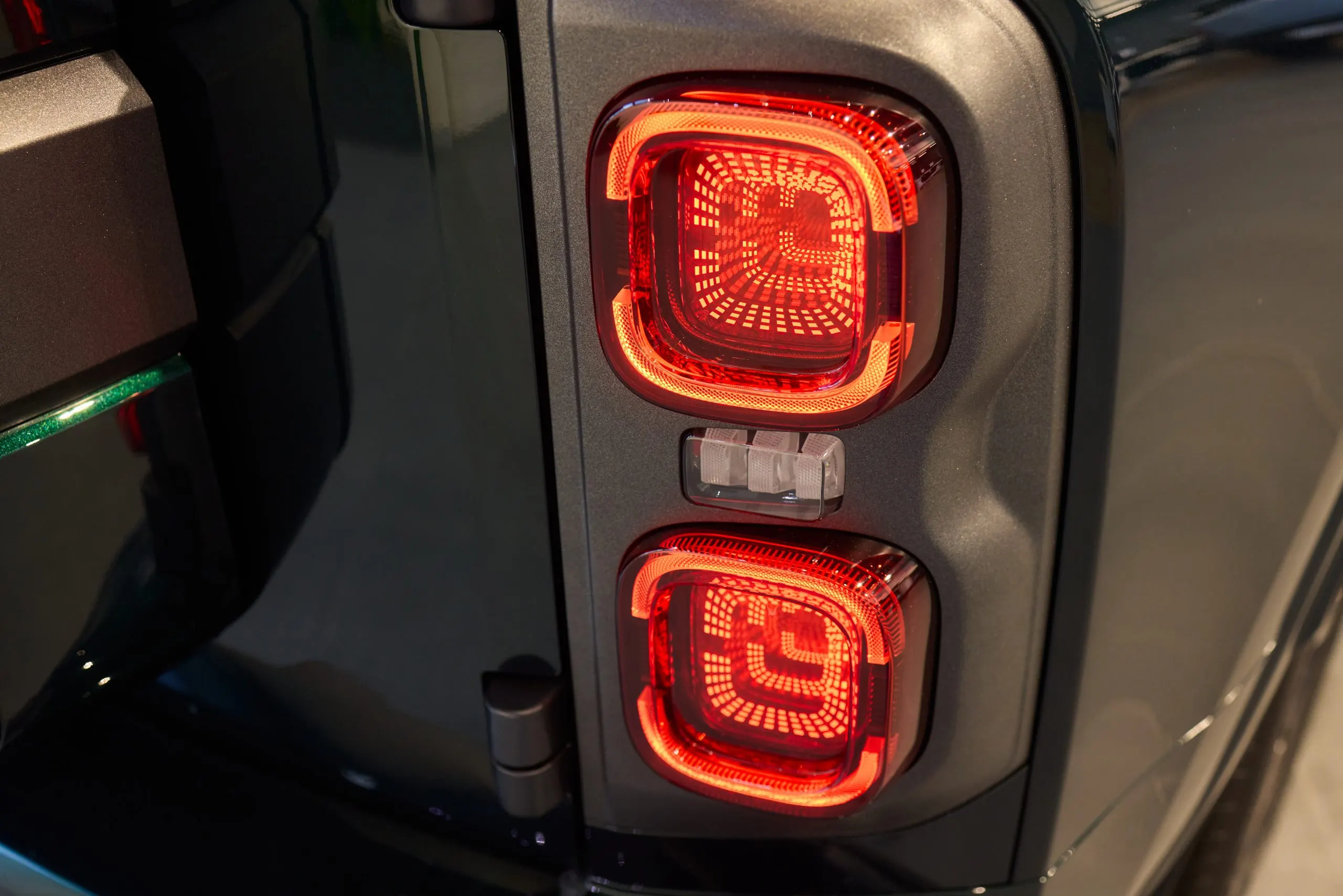
The USA taillights market, a critical segment of the broader automotive lighting industry, is poised for steady growth through 2030. Driven by advancements in LED technology, rising vehicle production, and stricter safety norms, rear lighting systems are becoming increasingly sophisticated. The U.S. automotive lighting market alone is projected to reach about USD 6.2 billion by 2030, growing at nearly 5.8% CAGR. Within this, taillights—especially LED-based systems—are gaining traction due to their durability, energy efficiency, and design flexibility, aligning with evolving consumer and regulatory expectations.
Key Market Drivers Shaping Growth and Technological Advancement in the U.S. Taillights Market
Transition to LED and Smart Lighting
The rapid adoption of LED technology is a primary growth driver in the U.S. taillights market. Globally, the LED taillight segment is expected to grow at over 10% CAGR, reaching more than USD 13 billion by 2030. LEDs offer longer lifespan, better brightness, and lower energy consumption compared to halogen systems. Additionally, smart lighting features—such as adaptive brake lights and dynamic indicators—are increasingly integrated into modern vehicles, enhancing both safety and vehicle aesthetics.
Rising Focus on Vehicle Safety and Regulations
Growing emphasis on road safety is accelerating the adoption of advanced rear lighting systems. Government mandates for improved visibility and signaling performance are pushing automakers to upgrade taillight technologies. The broader automotive lighting market is expanding due to such safety regulations and increasing awareness among consumers. Features like high-intensity brake lights and emergency signaling systems are becoming standard in new vehicles.
Growth in Electric and Premium Vehicles
The surge in electric vehicles (EVs) and premium car segments is also boosting demand. EV manufacturers prioritize energy-efficient lighting systems like LEDs and OLEDs, while premium brands use distinctive taillight designs as a brand identity element. This trend supports innovation and higher-value product offerings in the U.S. market.
Government Regulations and Policy Support Driving Adoption of Advanced Taillight Technologies
U.S. regulatory bodies continue to enforce stringent automotive safety and energy-efficiency standards, indirectly supporting the taillights market. Policies promoting EV adoption and fuel efficiency are encouraging the use of advanced lighting technologies such as LEDs and OLEDs. Additionally, safety regulations for mandating better visibility and signaling performance are accelerating the integration of high-performance rear lighting systems. These initiatives collectively foster innovation and ensure consistent demand for upgraded taillight solutions.
Competitive Landscape and Strategic Positioning Among Key Industry Players
The U.S. taillights market is moderately consolidated, with global automotive lighting leaders competing through innovation and OEM partnerships. Key players include companies such as Hella, Valeo, Koito Manufacturing, and OSRAM, which focus on LED integration, smart lighting systems, and design differentiation. Strategic collaborations with automakers and investments in R&D are common, enabling companies to deliver advanced, customizable rear lighting solutions that meet both regulatory standards and consumer expectations.
Key Market Challenges Impacting Adoption and Cost Efficiency
High Cost of Advanced Lighting Systems
One of the primary challenges is the relatively high cost of advanced LED and OLED taillight systems. While these technologies offer superior performance, their initial cost can limit adoption, particularly in budget vehicle segments. Additionally, integration complexity and supply chain disruptions can affect production timelines and pricing, posing challenges for both manufacturers and OEMs.
Future Outlook
The outlook for the USA taillights market remains positive through 2030, with innovation and electrification shaping its trajectory. Increasing penetration of EVs, advancements in adaptive lighting, and the integration of smart vehicle technologies will drive demand. The broader automotive lighting market is expected to grow steadily, with global values projected to exceed USD 30–48 billion by 2030 depending on estimates. As automakers emphasize safety, efficiency, and design, taillights will evolve from functional components into key differentiators, offering opportunities for both established players and new entrants.
Consultants at Nexdigm, in their latest publication “USA Taillights Market Outlook 2030,” analyze the sector by Vehicle Type (Passenger Cars, Light Trucks and SUVs, Commercial Vehicles), By Technology (Halogen, LED, OLED), and By Functionality (Standard Taillights, Adaptive and Dynamic Signalling Taillights, Integrated Turn and Brake Systems). Nexdigm suggests that businesses should closely align their strategies with evolving market dynamics, technological advancements, and regulatory requirements to remain competitive and capture emerging growth opportunities.
To take the next step, simply visit our Request a Consultation page and share your requirements with us.
Harsh Mittal
+91-8422857704